Plug Power to Fuel Expander’s Forestry-Waste SAF Plant in BC
Expander Energy has tapped Plug Power’s GenEco PEM electrolyzers for its Mackenzie Biofuel Project in BC. The MOU aims to integrate green hydrogen production with biomass-to-liquids synthesis to produce sustainable aviation fuel and renewable diesel from forestry wood waste, with FID by 2026 and commercial operation in 2029.
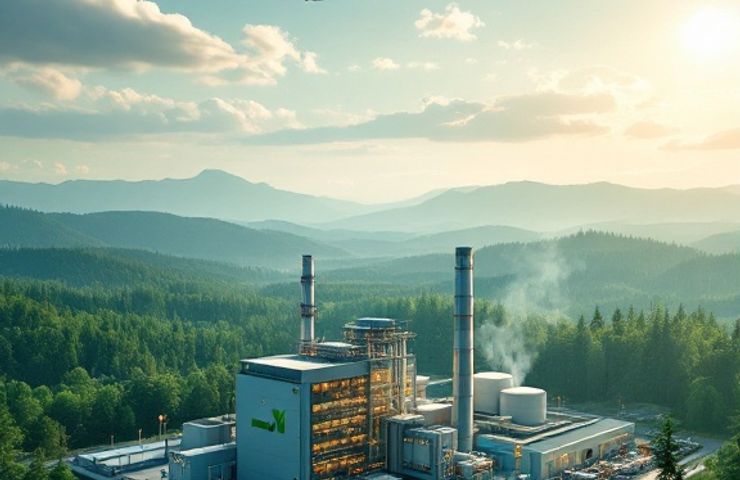
In an exciting development that showcases the growing link between green hydrogen production and sustainable aviation fuel (SAF) supply chains, Expander Energy Inc. has kicked off a partnership with Plug Power Inc.. They’re planning to blend Plug's cutting-edge GenEco PEM electrolyzer tech into Expander's own unique BETL (Biomass Electrolysis to Liquids) process. This announcement, made in early July, zeroes in on the ambitious Mackenzie Biofuel Project in northern British Columbia, where they'll transform forestry wood waste into SAF, renewable diesel, naphtha, and bio-wax, all powered by low-carbon electricity.
Market Context
If you look at Canada’s aviation sector, it's facing some serious challenges in decarbonization. SAF is one of the few tools that could make a real dent in jet fuel emissions in the near term. While hydroprocessed esters and fatty acids (HEFA) pathways have paved the way for initial commercial SAF volumes globally, biomass-based Fischer–Tropsch and alcohol-to-jet routes are still in the early test phases. The Mackenzie project is a game changer, aiming to combine forestry byproducts, low-carbon grid power, and electrolytic hydrogen into one cohesive system. It’s a perfect example of how hydrogen production methods can shift from traditional fuels to synthetic fuel generation.
Project Overview
This project is right in the heart of the District of Mackenzie, a community that relies heavily on forestry and is looking to diversify economically. Expander plans the facility in two phases. In the first phase, they're aiming to process around 82,000 dry tonnes of sawmill leftovers each year, which could crank out up to 30 million litres of renewable fuels annually, including 18 million litres of SAF. They’re even in talks with aviation partners about potential offtake. If it goes full-scale, the plant could handle about 336,000 dry tonnes of biomass and produce up to 120 million litres of fuels, potentially cutting down emissions by as much as 360,000 tonnes of CO₂ each year.
Technical Snapshot
The engine behind this innovative design is the BETL process, which Expander Energy developed with help from Canadian Nuclear Laboratories. It combines a tar-free biomass gasification unit with GenEco PEM electrolyzers from Plug Power. Utilizing the low-carbon electricity from British Columbia’s hydroelectric grid, these electrolyzers break down water into hydrogen and oxygen. The hydrogen then teams up with carbon-rich syngas in catalytic reactors to produce drop-in hydrocarbons that are perfect for aviation and transportation.
Strategic Implications
Landing a top-tier electrolyzer supplier like Plug Power is a smart move for ensuring steady, low-carbon hydrogen production. For Expander, bringing in established PEM stacks not only boosts credibility but also helps in getting project financing. It’s becoming clear that hydrogen project financing relies heavily on having solid technology partners on board. On the flip side, Plug Power is expanding its reach beyond just material handling. They’re stepping into energy-hungry areas like e-fuels, solidifying their presence in hydrogen infrastructure aimed at decarbonizing industries.
Financing & Policy Support
The Mackenzie Biofuel Project is also getting a leg up from Natural Resources Canada’s Clean Fuels Fund, which helps to minimize the risks that come with early-stage costs for renewable diesel, SAF, and green hydrogen advancements. Although the exact grant amounts haven’t been released yet, this federal backing sends a strong message of support for clean hydrogen news and biofuel efforts. The District of Mackenzie is also getting busy with permitting, sourcing feedstock, and developing local workforce initiatives to align with provincial and federal climate strategies—all crucial for the project's success.
Economic & Regional Impact
Offtake & Demand
Expander is already in early discussions with airlines about an initial SAF offtake of 18 million litres a year and they’re eyeing a potential jump to 72 million litres for future expansions. Getting binding clean hydrogen offtake agreements will be crucial for ensuring the long-term economics of the project, especially as airlines start factoring in premiums for carbon-neutral supplies.
Parallel Developments & Risks
All across Canada and beyond, governments are ramping up low-carbon fuel standards and hydrogen energy news programs to push new SAF pathways forward. In British Columbia, previous efforts mainly focused on renewable diesel and biogas, but big plants converting forestry waste into liquids have yet to materialize. The Mackenzie project does face some risks, like feedstock costs and availability, moving from pilot to commercial level, as well as the CAPEX and OPEX of electrolyzers and securing binding offtake contracts. Plus, the timelines for getting the necessary environmental permits and connecting to the grid could create hurdles.
Outlook
If everything goes as planned with this partnership, it could set a blueprint for scaling up integrated biomass gasification and green hydrogen production. This model has the potential to create new revenue streams for sawmills and forestry managers, all while aiding national decarbonization efforts. Investors and industry watchers are keenly keeping an eye on the project's progress towards a final investment decision by late 2026 and its anticipated commercial startup in 2029. It’ll be a critical indicator of how viable e-fuels can be in the move toward net-zero transport.
All in all, this collaboration represents a major milestone in hydrogen fuel news—extending the use of PEM electrolysis into a new realm and embedding it deep in the aviation fuel supply chain.