OPmobility’s StackPack: A Plug-and-Play Hydrogen Fuel Cell Module for Heavy-Duty Buses
OPmobility SE’s StackPack packs fuel cell stacks, air supply and controls into a single module, offering bus makers a plug-and-play hydrogen power unit for long-range, zero-emission heavy-duty routes.
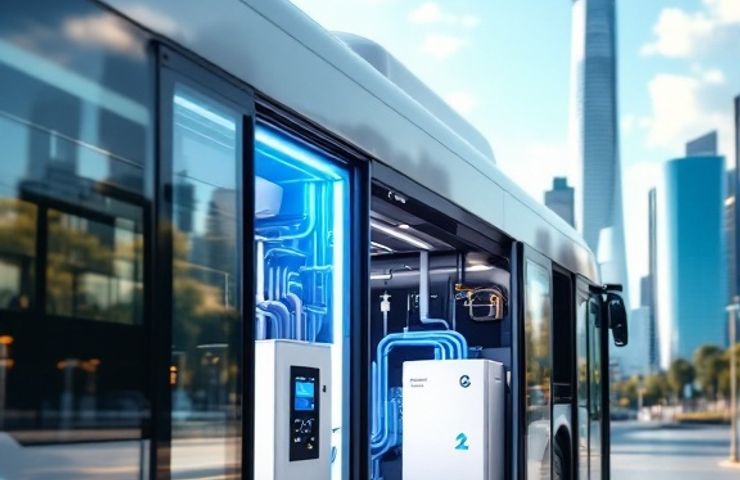
Have you ever thought about how bus manufacturers could skip months of powertrain design and just plug in a hydrogen power unit? Well, that’s exactly what OPmobility SE is aiming for with their innovative StackPack. This nifty little module is ready to install and designed specifically for heavy-duty buses. It combines all the essential components like fuel cell stacks, air supply, cooling, and control systems into one neat package, making hydrogen mobility a lot more accessible for local transit operators.
The push for zero-emission buses
With city and regional fleets under increased pressure to cut CO₂ emissions and tackle urban pollution, the race is on for clean transportation solutions. Battery-electric buses have made some serious headway, but they can hit a snag on heavy-duty routes, particularly in hilly areas or frigid climates where range and charging times can be real challenges. That's where hydrogen fuel cell buses come into play, offering quick refueling and long ranges similar to diesel buses, all while producing zero emissions. However, creating a fuel cell system from scratch isn’t exactly a walk in the park; it involves intricate engineering, precise packaging, and alignment with high-pressure hydrogen storage systems.
How StackPack simplifies the essentials
At its heart, StackPack houses one or more polymer electrolyte membrane (PEM) fuel cell stacks, which transform hydrogen and oxygen into electricity, water, and heat. Instead of a jumble of separate components, this module neatly integrates:
This all-in-one approach significantly cuts down on integration time and allows manufacturers to avoid the hassle of designing custom system layouts. Hydrogen from rooftop tanks powers the stacks, generating electricity for traction motors, and operators can refuel in just minutes at existing hydrogen stations—while still enjoying ranges of several hundred kilometers!
A journey of modular ambition
The concept of hydrogen buses isn’t brand new; it dates back to early European projects like CUTE and HyFleet:CUTE in the early 2000s, when high costs and durability problems hindered adoption. However, over the past decade, we’ve seen improvements in fuel cell longevity, lighter hydrogen storage options, and an increase in refueling corridors across Europe, Asia, and North America. Companies that once only focused on tanks and valves are now stepping up and creating complete systems. StackPack is riding this wave, showcasing a shift toward turnkey solutions that lower engineering risks for transit manufacturers.
Why a modular design really matters
Let’s be real—modularity isn’t just a trendy word. By standardizing interfaces and packaging, it can bring down costs by allowing for repeatable manufacturing and a smoother vehicle certification process. For transit agencies, fewer integration issues mean quicker rollouts and more reliable maintenance. Plus, scaling the power can be a breeze: operators can link multiple modules for larger buses or even adapt the same unit for hydrogen trucks, as long as manufacturers tweak their chassis and controls.
Policy support and market dynamics
Europe has a knack for clean-fleet initiatives like Fit for 55, which are specifically targeting heavy-duty transport for hydrogen adoption. Various national strategies in places like France and Germany are pushing research and development grants towards fuel cell buses. On a broader scale, public procurement programs are handing out contracts for dozens, sometimes even hundreds, of hydrogen buses in one go. But let’s not forget, the high initial costs for these vehicles and refueling stations still pose a significant hurdle, often cushioned by subsidies. Meanwhile, battery-electric buses are continuing to gain traction as battery costs dip and charging infrastructure expands. In this competition, StackPack is banking on its speedy refueling and long-range capabilities to carve out specific places where batteries just can’t keep up.
Looking ahead
For OPmobility SE, StackPack isn’t just another product—it represents a strategic shift from traditional plastic components to comprehensive system solutions within the hydrogen value chain. By leveraging their existing expertise in high-pressure tanks and fluid systems, they’re looking to offer a more complete package to manufacturers eager to dive into hydrogen mobility without reinventing the wheel. While we don’t have public adoption numbers for StackPack yet, its development signals a broader trend: hydrogen fuel cell modules are moving out of the research labs and into real commercial talks.
As hydrogen corridors expand and transit authorities roll out deeper decarbonization strategies, innovative modules like StackPack could very well become standard equipment in heavy-duty fleets. The real question now is how quickly operators will jump on the plug-and-play bandwagon—and whether this approach can shift the scales in favor of hydrogen buses in the world’s busiest transport corridors.