TE H2 Chile Cancels H2 Magallanes Green Hydrogen Project Amid Economic Challenges
TE H2 Chile withdraws from the H2 Magallanes green hydrogen project citing economic challenges, marking a significant setback for green energy ambitions in Chile.

TE H2 Chile, a joint venture between TotalEnergies and EREN Groupe, has announced its decision to withdraw from the environmental evaluation of the H2 Magallanes project—a significant green hydrogen and ammonia production initiative in southern Chile. This decision halts a proposed investment of approximately $16 billion and sheds light on the complexities of developing large-scale green hydrogen projects in today's economic climate.
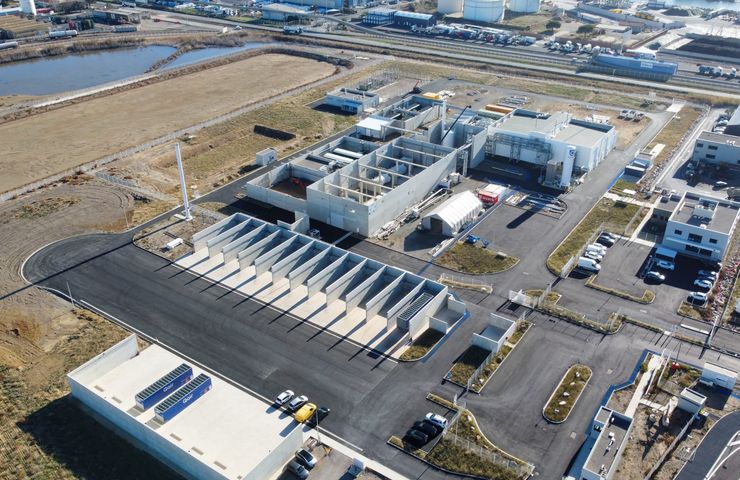
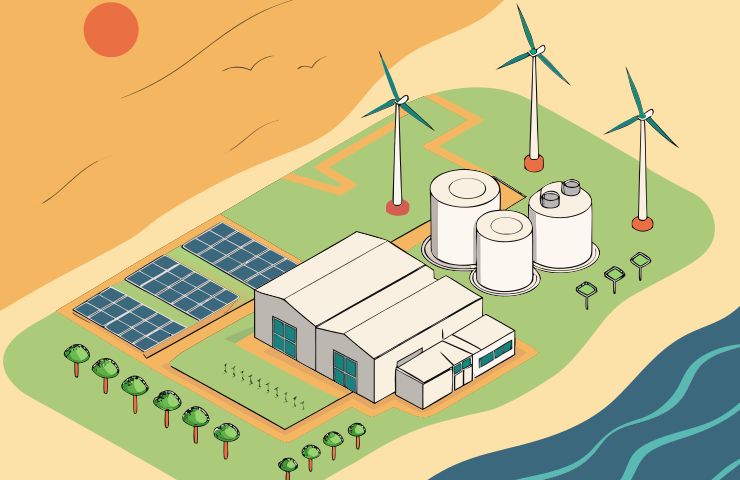
The H2 Magallanes project aimed to harness the strong winds of the Patagonia region to generate green hydrogen via electrolysis, producing over 343,000 tonnes of hydrogen annually and around 1.9 million tonnes of green ammonia. The plan included extensive infrastructure, such as wind farms, an electrolyzer facility, and a desalination plant to provide the necessary freshwater resources.
What led to the withdrawal?
As confirmed by various reports, the company's official notice of withdrawal cited challenges related to securing economically viable long-term purchase agreements and insufficient demand for green molecules. The anticipated reduction in equipment costs did not materialize as expected, impacting the feasibility of such a massive investment project.
Those commercial hurdles were decisive. In the company's view, without robust, bankable offtake contracts and clearer signals of lasting market demand, the financial case for an approximately $16 billion facility could not be sustained. The project’s economics relied heavily on long-term purchase agreements and on technology costs falling within certain projections—neither of which came through as planned.
The withdrawal from the environmental evaluation, submitted to the Servicio de Evaluación Ambiental de Chile (SEA), marks a significant setback for what was touted as one of the most ambitious hydrogen ventures in Chile. While this project has now been officially deemed 'withdrawn,' it does not preclude the possibility of similar projects reconsidering their terms in the future.
Key players in the H2 Magallanes project
TE H2 was designed as a collaborative effort, with TotalEnergies as the main partner contributing extensive experience in integrated energy initiatives, including significant investments in renewable projects across Latin America. Meanwhile, EREN Groupe provided additional expertise in renewable energy development and investment.
The formal titular of the environmental study, TEC H2 MAG SpA, presented the Impact Study to the SEA in May 2025 and faced a series of challenges throughout the evaluation process. Despite an initial response to citizen observations regarding various environmental impacts, including noise, biodiversity, and ecosystem interactions, the company could not persuade the SEA to allow the necessary operational tweaks.
That sequence of events — a filed Impact Study, public observations, and the subsequent back-and-forth with the regulator — underlines how technical, social and regulatory considerations intersect in projects of this scale. TEC H2 MAG SpA engaged with the process. It answered citizen concerns. But regulatory clearance depends both on mitigation measures and on broader project feasibility; in this case, the latter appears to have been decisive.
Community and ecological implications
The implications of this decision extend beyond mere financial figures. The primary infrastructure was set to foster local job opportunities and develop a robust green energy framework in the region of Magallanes—home to only 241 residents in San Gregorio. The cancellation puts in limbo not only potential job creation but also the community's aspirations for involving local resources in sustainable projects.
Local expectations were tangible. A project with wind farms, electrolyzers and desalination facilities would have drawn on regional capacity and created new roles during construction and operation. Now those prospective economic benefits are uncertain. For a place like San Gregorio, with just 241 residents, even a small number of skilled or semi-skilled positions can change local dynamics.
Environmentalists had raised concerns regarding biodiversity and the overall ecological impact of such extensive industrial operations on local ecosystems. The withdrawal of the project permits the community and the natural environment to continue without the impending alterations that would have certainly affected local flora and fauna.
At the same time, the pullback removes an opportunity to demonstrate large-scale integration of renewables and industrial demand for green molecules in a region rich in wind resources. In short: the decision relieves some ecological pressure while also postponing the social and economic transformations supporters had envisioned.
What does the future hold for green hydrogen in Chile?
Chile's vision of becoming a leading exporter of green hydrogen remains intact amid this setback. The national Hydrogen Strategy emphasizes the country's vast renewable resources—particularly wind and solar—as foundational to achieving future energy goals. However, the recent withdrawal serves as a crucial reminder that ambitions require further alignment with market realities.
Much attention is now being placed on fostering viable long-term contracts and lowering technological costs in the hydrogen sphere to ensure that similar projects can transition from concepts to operational realities.
Although the H2 Magallanes project faced obstacles, it accentuates the importance of solidifying demand for hydrogen products, creating effective market channels, and ensuring technical solutions are both reliable and economically sound. For stakeholders and policymakers, the focus now turns towards paving the way for future opportunities while learning from this experience.
Beyond the headlines, the episode underlines a more prosaic truth about energy infrastructure: scale requires market certainty. Projects that depend on producing hundreds of thousands of tonnes of hydrogen and millions of tonnes of ammonia need durable buyers and predictable capital costs. When either element is missing, promoters reassess—even when the underlying renewable resource appears ideal.
In conclusion, while TE H2 Chile's withdrawal from the H2 Magallanes project signifies a reduction in immediate aspirations for hydrogen production in the region, it leaves room for reflection, strategizing, and ultimately, the potential for future re-engagement in the vibrant world of green hydrogen.