thyssenkrupp nucera Launches Electrolyser Cell Assembly Hub in Portugal to Support Green Hydrogen Production
thyssenkrupp nucera announces the launch of its first electrolyser cell assembly hub in Portugal, aiming to support green hydrogen production through centralized, semi-automated manufacturing processes.
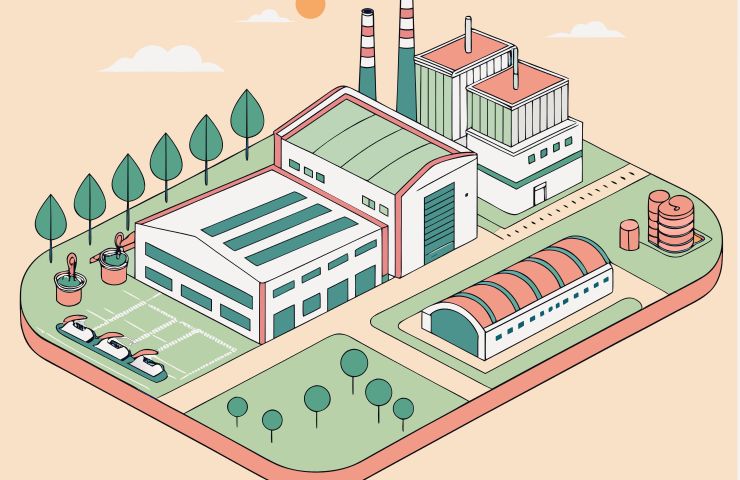
thyssenkrupp nucera AG & Co. KGaA has announced the establishment of its first company-operated electrolyser cell assembly hub in Europe, to be sited at VGP Park Vila Nova de Gaia in Portugal. The facility covers over 7,500 square meters and is designed to assemble cells for alkaline water electrolysis. Construction is set to commence in winter 2026, with assembly operations expected to begin in 2028. The project carries a planned investment of between €10 million and €14 million, and it will be supported by approximately €3.7 million from the Portuguese government through the COMPETE2030 program.
Thyssenkrupp nucera describes the hub as a move to improve hydrogen production efficiency and to streamline supply chains for the fast-expanding green hydrogen sector. Its first major customer will be Moeve's Onuba project, part of the Andalusian Green Hydrogen Valley in Spain. That project, the company says, plans to produce renewable hydrogen and to significantly reduce carbon emissions.
Project Overview
The Onuba project is linked strategically to the new assembly facility. It aims for a total capacity of 300 MW in electrolyser output, which is designed to generate approximately 45,000 tonnes of renewable hydrogen annually. Project backers estimate this initiative has the potential to mitigate around 250,000 tonnes of CO2 emissions each year.
Vila Nova de Gaia was chosen in part for its local context. Historically known for its port-wine trade, the city now hosts an industrial development intended to serve modern energy markets. The assembly hub will employ standardized and semi-automated processes, a set-up intended to shorten assembly times and reduce project execution bottlenecks. Those efficiencies are presented as essential for scaling hydrogen projects across Europe.
Technological and Economic Implications
The hub’s assembly process will produce ready-to-install cell packages. That approach represents a shift away from decentralized, customer-operated workshops and toward a more integrated manufacturing model. By providing preassembled packages, the facility aims to simplify on-site installation and to cut the time between equipment delivery and operation.
Centralizing assembly aligns with broader European priorities around efficiency and sustainability in hydrogen production. As electric and hydrogen technologies evolve, thyssenkrupp nucera positions this factory model as a way to reduce complexity in supply chains and to support more predictable project schedules.
Economically, thyssenkrupp nucera and local authorities frame the hub as having wider implications beyond the factory floor. The company says the hub will support the burgeoning hydrogen infrastructure and signals a commitment to strengthening Europe’s position within the global green hydrogen market. These projects, the announcement notes, often receive backing from governing entities and venture capital. That combination, officials say, helps create a more robust ecosystem that can lead to job creation and local skill development.
Financially, thyssenkrupp nucera’s investment in the facility is underpinned by partnerships with Moeve, Hy24, and COFIDES, among others. The company characterizes that collective support as providing a solid financial base from which to operate and expand. In turn, the partner-led approach is presented as a mechanism to foster project stability and to enhance the potential for successful implementation under varying economic conditions.
Technologically, the use of standardized cell packages and semi-automated assembly can reduce site-specific engineering work. Fewer bespoke operations on customer sites mean less risk of delays attributable to local assembly constraints. The announcement stresses this point: faster assembly and fewer bottlenecks should help speed up deployment timelines for large-scale hydrogen projects that rely on reliable electrolyser supply.
Future Outlook
Clean hydrogen technologies continue to attract attention, and thyssenkrupp nucera’s new hub is being cast as one part of that changing landscape. The company expects facilities like this to play an increasingly vital role as the sector scales. Observers are watching to see whether the model of centralized, company-operated assembly can set a precedent for similar projects elsewhere in Europe.
Officials involved underline the importance of cooperation between public and private sectors. The hub’s support from the Portuguese government via the COMPETE2030 program is cited as an example of the public backing considered necessary for larger industrial decarbonization efforts. Public funds plus private capital. A combined approach, the announcement suggests, helps lower the barriers to market entry for complex supply-chain components.
Some details remain to be determined. Long-term production capacity figures and detailed operational metrics are still pending. Yet thyssenkrupp nucera says the hub’s groundbreaking will play a key role in shaping a more resilient and sustainable energy landscape in Europe. The company frames the launch as more than a single factory build; it is described as a step toward broader industrial decarbonization strategies for the region and beyond.
Stakeholders across the hydrogen value chain will be watching closely. They want to gauge the operational efficiencies and production rates that emerge from this approach to electrolyser cell assembly. For now, the project sets a timetable: construction starting winter 2026 and assembly operations due to begin in 2028. Those milestones will provide the first concrete signals of whether the centralized, semi-automated model delivers the timelines and supply-chain improvements that thyssenkrupp nucera and its partners have outlined.