UAE and Mongolia Forge Green Hydrogen Cooperation to Boost Renewable Energy
The UAE and Mongolia signed an MoU to deepen cooperation on renewable energy and green hydrogen, establishing a joint working group for feasibility, capacity building, and public-private collaboration.
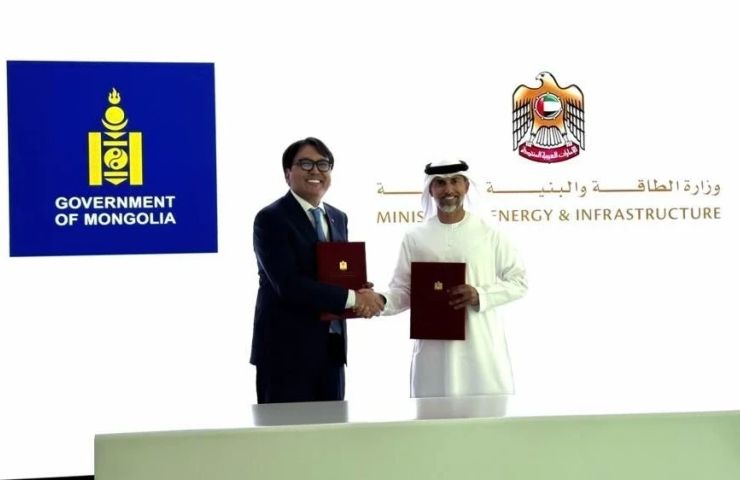
The UAE Ministry of Energy and Infrastructure and the Ministry of Energy of Mongolia signed a memorandum of understanding on 11 Sep 2026 to take their cooperation on renewable energy and green hydrogen to the next level. This agreement sets the stage for sharing expertise, building capacities, exploring joint projects, and creating a joint working group. As such, it’s making waves in green hydrogen news.
A New Chapter in Clean-Energy Collaboration
So, what do you get when an oil-rich Gulf nation teams up with a landlocked country that usually depends on coal? Well, the two are pooling their knowledge, finances, and ambition to flip the energy conversation on its head. This partnership moves beyond the usual diplomatic talk—it’s focused on actionable steps like human-resource training and bringing private sector players into the fold. Both parties are gearing up to share know-how on key areas such as project screening, grid integration, and regulatory design. With a joint working group in play, they’re looking to transform this memorandum into real-world results.
What Really Changes?
This memorandum is all about practical mechanisms aimed at making green hydrogen production and renewable energy projects viable. For starters, sharing knowledge will help Mongolia in various sectors. Next, workshops led by the UAE will provide technical insights to support future actions. Finally, public-private collaboration opens the door for potential local business involvement in energy initiatives. Essentially, this isn’t just a commitment—it’s a framework that may set the stage for future activity.
The Building Blocks
At the heart of this agreement are three key pillars designed to fast-track hydrogen infrastructure and green hydrogen production:
- Expertise Exchange – Trainers from the UAE will team up with Mongolian engineers and regulators on various topics.
- Capacity Building – A series of workshops and training sessions will aim to elevate local skills in project finance and hydrogen logistics. This tackles one of the challenges in emerging markets.
- Joint Project Exploration – Task forces will analyze sites and assess challenges related to energy infrastructure.
These foundational elements blend institutional know-how with on-the-ground scouting.
Challenges and Solutions
No partnership comes without its challenges. Mongolia’s power grid struggles with limited interconnectivity and resource issues. To address these barriers:
- Grid Upgrades – Workshops will focus on planning for future improvements.
- Water Management – Technical teams will explore methods to secure sufficient water resources.
- Financing Models – Different finance options will be investigated for potential projects.
By tackling these challenges through dedicated working groups, both governments aim to create opportunities for future initiatives.
Beyond the Framework
This MoU may not be binding, but what it represents goes beyond a simple diplomatic gesture. The call for public-private collaboration opens doors for potential joint ventures and regulatory improvements. Meanwhile, this agreement might also foster relationships in the broader context of energy collaboration.
Looking Ahead
The real challenge will hit when the working group’s reports are reviewed and when subsequent actions are taken. If successful, there may be future developments in energy projects in Mongolia. This partnership could potentially reshape the landscape of energy collaboration.
Furthermore, this approach could inspire more partnerships between resource-rich nations and clean-energy hubs everywhere as stakeholders seek to decarbonize. These strategic alliances could become a prevalent method for future energy development.
Final Shot
This is a roadmap for turning ideas into actions. By exchanging expertise and resources, the UAE and Mongolia have established a foundation for future energy collaboration.