Hydrogen Combustion Engines Propel Heavy-Duty Truck Decarbonization
Daimler Truck and KEYOU partner to industrialize hydrogen combustion engines, unveiling the KEYOU HICE.40 tractor with 650 km range and 350 kW output planned for 2027.
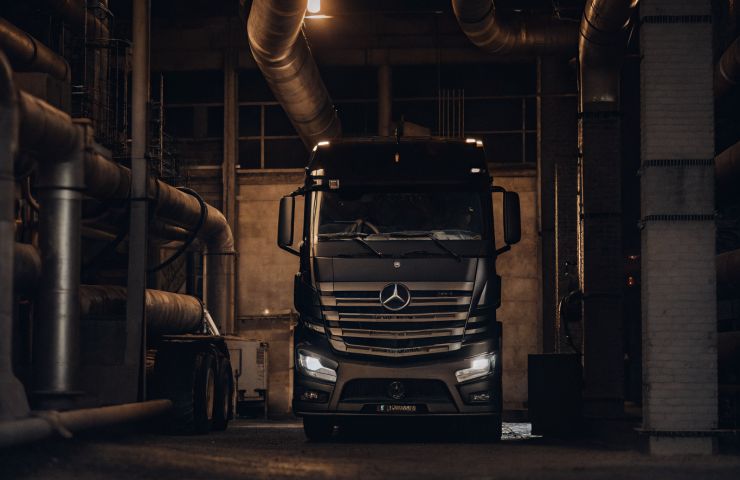
There’s been some exciting buzz in the hydrogen news world lately! Earlier this year, Daimler Truck teamed up with the Munich-based company KEYOU to work on something pretty groundbreaking: hydrogen combustion engines meant for heavy-duty transport. The star of the show is set to be the new KEYOU HICE.40 tractor, built on a familiar Mercedes-Benz Actros platform, and they’re aiming to get it on the market by around 2027. Their goal? Merge the reliability of traditional engines with the promise of near-zero CO₂ emissions when fueled by green hydrogen. As regulations around CO₂ standards tighten up, and fleet operators scramble for viable zero-emission alternatives, this partnership might just flip the logistics game on its head. It’s a bold step that showcases Daimler Truck’s commitment to leading the charge in clean hydrogen innovation.
Secret Sauce: Tweaking a 12.8-Liter Engine
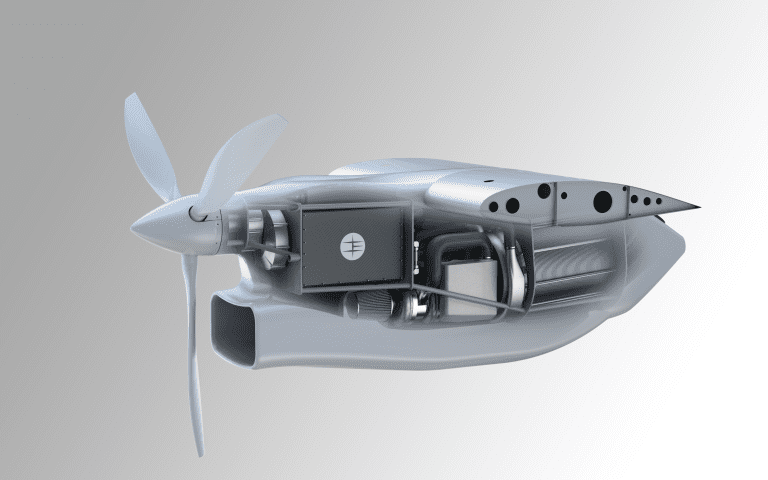
So, what’s the magic behind this project? At the core of it all is a 12.8-liter engine that was initially designed for diesel. The real trick is the adaptations they've made, specifically in port fuel injection, which allows this engine to efficiently burn hydrogen while steering clear of issues like knock and pre-ignition. Since hydrogen has a wide flammability range and fast flame speed, nailing down injection timing and the right mixture is key. The engineering whizzes at KEYOU have tweaked the engine control units and revised fuel lines to accommodate hydrogen’s unique characteristics. Plus, they've got a plan in place for managing combustion effectively—keeping nitrogen oxide levels in check so fleets can wave goodbye to diesel particulates without having to switch to an entirely new system. And of course, safety controls have also been upgraded to meet rigorous standards.
Built for Tomorrow: The KEYOU HICE.40 on Actros Platform
The KEYOU HICE.40 isn’t just a regular tractor; it’s designed thoughtfully for the future of decarbonization. With a gross vehicle weight of 40 tonnes and equipped to store compressed hydrogen at 350 bar, it’s looking at a range of up to 650 km and an output of 350 kW. Since it’s based on the Mercedes-Benz Actros L 1848 chassis, it’ll fit right into existing fleet operations without the need for major changes to servicing infrastructure or retraining drivers. The smooth integration is a big plus, thanks to the retention of the Actros’ standard gearbox and driveline, which keeps retooling costs low and paves the way for quick deployment. And here’s the kicker: operators who are already familiar with Actros maintenance can jump right in without a hitch!
Hedging the Decarbonization Bet
Daimler Truck is really stepping up their game in this energy transition. They’re rolling out battery-electric models like the eActros for urban routes, while also pushing ahead with fuel cell prototypes like the GenH2 Truck for long-haul usage. By adding a hydrogen combustion engine to the mix, they’re creating a trifecta of technologies. Batteries serve short distances, fuel cells tackle the ultra-long hauls, and hydrogen combustion engines plug into those niches where simplicity, cost, and quick deployment matter most. This strategy means they can meet a variety of duty cycles without putting all their eggs in one basket, and it helps tackle the challenges of sticking to tight CO₂ standards by spreading the risk across tried-and-true and emerging powertrains.
Building Infrastructure and After-Sales Support
Both Daimler Truck and KEYOU are committed to offering strong support for this new technology. KEYOU is looking into bundled offers that provide hydrogen refueling solutions, tapping into funding from the German Federal Ministry of Transport. Meanwhile, Daimler Truck is busy developing stations that can dispense both gaseous and liquid hydrogen, creating synergy for fleets powered by either fuel cells or combustion engines. In regions like Bavaria and Baden-Württemberg, hydrogen hubs are already in the works, and this project could serve as a central anchor, connecting production sites to major freight corridors. They’ll also be rolling out updates to service manuals and safety protocols to ensure fleet operators can confidently implement hydrogen engines.
Challenges on the Horizon and Real-World Impact
Of course, there are some bumps in the road ahead. Hydrogen refueling networks are still pretty sparse, and making sure there's a reliable supply of green hydrogen will take some serious logistics coordination. Certifying high-pressure tanks and training technicians to handle hydrogen safely are also critical steps. Emission control for nitrogen oxides needs to stay in line with evolving regulations, so effective aftertreatment systems will be essential. The targets for a 2027 rollout may be ambitious, and there’s always a chance the timeline could shift depending on certification processes across Europe. But for fleets on the lookout for near-zero solutions, hydrogen combustion could be a sensible bridge while broader infrastructure gets ramped up.
Building on Hydrogen ICE Heritage
Now, hydrogen combustion engines aren’t exactly new; research on them dates back decades, with early experiments from companies like BMW and Ford. Those initiatives faced hurdles mainly because of infrastructure shortages, but the growing momentum behind green hydrogen policies in Europe has sparked renewed interest. EU research programs and German funding schemes are revitalizing the landscape by blending traditional automotive expertise with the agility of startups. In Southern Germany, hubs in places like Leinfelden-Echterdingen and Munich are combining deep automotive know-how with a thriving clean-tech ecosystem, solidifying the region’s place at the forefront of hydrogen mobility innovation.
Economic and Environmental Benefits
From an economic perspective, utilizing existing engine plants could cut capital costs compared to building full fuel cell production lines, helping to protect jobs tied to traditional internal combustion manufacturing. Environmentally, running on green hydrogen could bring well-to-wheel CO₂ emissions down to nearly zero, and fleets would sidestep diesel particulates altogether. With lower upfront powertrain costs and potential incentives for early adopters, the total cost of ownership is looking more favorable. The aftertreatment system will tackle NOx emissions, but operators can still expect to see an overall reduction in air-quality impacts when compared to conventional diesels.
Political and Regulatory Support
This project aligns perfectly with German and EU strategies that promote hydrogen mobility and alternative fuels infrastructure. Federal funding schemes are backing both refueling stations and pilot fleets, while the EU's Alternative Fuels Infrastructure Regulation is aiming for comprehensive coverage of hydrogen corridors along key trans-European freight routes. This cooperation could help define what counts as “near-zero” emission transport, which in turn could shape upcoming CO₂ standards for heavy-duty vehicles. The correlation between station development and freight corridors will prove pivotal.
Strategic and Market Implications
For Daimler Truck, the HICE.40 offers a strategic way to balance technology risks while tapping into existing manufacturing and service networks. On the other hand, KEYOU benefits by transitioning from retrofit trials to high-volume OEM integration, strengthening its position in Europe’s hydrogen mobility landscape. If other OEMs decide to follow suit, hydrogen combustion engines could emerge as serious competitors alongside fuel cell and battery-electric trucks, possibly igniting a fresh wave of hydrogen refueling station rollouts and offtake agreements in the upcoming years. Logistics companies and infrastructure investors will definitely be keeping a close eye on these early deployments.
Conclusion
In a nutshell, this collaboration is shaking things up by integrating hydrogen combustion as a practical pillar of heavy-duty decarbonization. As the industry pushes forward with battery-electric and fuel cell innovations, the HICE.40 demonstrates how existing platforms can adapt for a greener future. With freight demand on the rise and sustainability being a must-have, solutions that build on existing strengths while cutting emissions are going to be worth their weight in gold. If the HICE.40 hits its targets, it could signal a new direction for the next decade of heavy-duty mobility, potentially setting a blueprint for other OEMs to follow.