Air Liquide Joins Hydrogen Mobility Push to Accelerate Fuel Cell Adoption in Europe
Air Liquide joins Europe’s hydrogen transport coalition to enable heavy-duty fuel cell mobility, aiming to accelerate infrastructure, vehicle adoption, and industrial leadership.
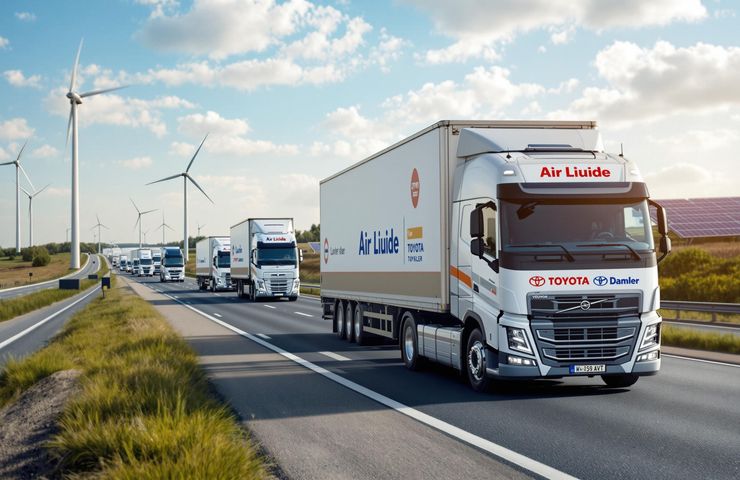
Air Liquide is stepping up its game in the hydrogen world, officially joining the Global Hydrogen Mobility Alliance. Announced on July 1, 2025, this move highlights the company’s intent to take a bigger role in shaping Europe’s growing hydrogen infrastructure and mobility market. With the transition to clean transport picking up speed, there's a growing push to roll out hydrogen-powered vehicles, especially for long-haul and heavy-duty use—areas where going fully electric still hits roadblocks.
Filling the Gaps in Europe’s Mobility Strategy
The Global Hydrogen Mobility Alliance brings together some serious players—think BMW, Toyota, Hyundai, Volvo, Symbio, and Daimler Truck. This cross-industry team is working to drive investment and fast-track the rollout of hydrogen vehicles along key EU transportation routes. With Air Liquide now in the mix, the Alliance gains a heavy hitter with both technical chops and financial backing.
The French industrial gases giant—active in more than 60 countries—is planning to invest a whopping $10 billion globally into the green hydrogen value chain by 2035. That includes building out 3 GW of electrolysis capacity by 2030. All of this infrastructure is crucial to make sure there’s enough clean hydrogen to power the shift to hydrogen mobility.
Why This Makes Sense: It’s Not Just About Going Green
Yes, cutting emissions is the long-term goal—but hydrogen also makes a lot of business sense in specific sectors. Let’s face it: long-haul trucks and areas with tight electrical grids aren’t the best fit for fully battery-powered options. Hydrogen brings some key perks to the table:
- Quick refueling and longer driving ranges
- Less strain on the electricity grid
- Potential to turn excess renewable power into usable fuel
The EU’s current approach tends to lean heavily on batteries, but that strategy could use some balancing. The Alliance is calling for a more technology-neutral approach—plus stronger EU support for early infrastructure and fleet deployment.
Keeping Up with China’s Hydrogen Surge
China isn’t waiting around—it’s pulling ahead fast with bold policies and industry support for hydrogen-powered transport. Europe is feeling the pressure to respond. The formation of this Alliance is a clear signal from industry leaders: Europe needs coordinated, fast-track policies for things like hydrogen corridors and vehicle incentives, or it might fall behind in the global race for industrial decarbonization.
The Tech Side: Fuel Cells vs Hydrogen Combustion
When it comes to hydrogen mobility, there are two main tech paths on the road:
- Fuel Cells: These generate electricity through a chemical reaction between hydrogen and oxygen, powering electric motors with zero emissions at the tailpipe.
- Hydrogen Combustion Engines: A lesser-used but viable option that burns hydrogen in modified combustion engines—still clean at the exhaust and potentially faster to commercialize.
Each solution offers different benefits for fleets needing flexibility, speed, and scale—all while keeping emissions in check.
Big Picture: Why It Matters
- Air Liquide’s deep infrastructure experience can help jumpstart large hydrogen-powered fleets across Europe.
- Cross-border coordination is a must—fragmented rules will only slow down progress.
- Policy, infrastructure, and vehicle deployment need to move in sync or risk losing momentum.
- This initiative isn’t just about climate—it’s about jobs, innovation, and economic strength.
What Could Happen Next
The ripple effects of this Alliance could be major. Here’s what’s likely on the horizon:
- Faster build-out of hydrogen refueling infrastructure across European transport corridors
- More investments in heavy-duty hydrogen vehicle fleets
- Improved grid stability by using transport to absorb and store excess renewable energy
- A stronger European position in global fuel cell technology and the green hydrogen race
But let’s be real—getting there won’t be smooth sailing. Inconsistent policies between EU countries and the current high cost of hydrogen tech compared to diesel could slow down adoption if not properly addressed.
What’s Ahead
This marks a shift towards a more practical, get-it-done phase of Europe’s energy transition—one where scale, infrastructure, and clear policy alignment take center stage. With Air Liquide now fully onboard with other hydrogen heavyweights, the road is opening up for hydrogen mobility to move from trials and prototypes to real-world, commercial use.
About Air Liquide
Air Liquide has been around since 1902 and is based in France. A global leader in gases, technologies, and services for industry and healthcare, the company operates in 60 countries, with over 66,000 employees serving more than 4 million customers and patients. With over 60 years of experience in hydrogen, Air Liquide is one of the biggest backers of the growing global hydrogen economy.