Green Hydrogen Project Financing Map Charts Morocco’s Path to Industrial Decarbonization
UNIDO’s new financing map outlines national, regional and international tools—from grants to green bonds—to bankroll Morocco’s industrial green hydrogen rollout.
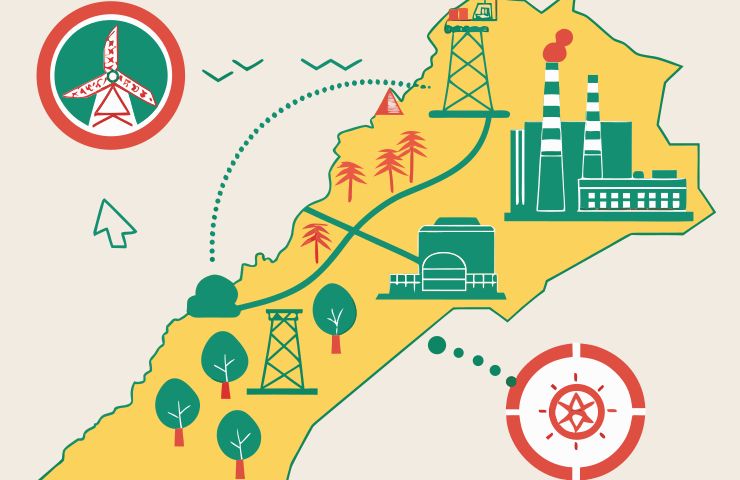
Morocco's journey to green up its fertilizer, steel, and cement industries just got a significant boost thanks to a fresh financing map from UNIDO. This report, crafted in partnership with the Green Climate Fund and Morocco's Ministry of Energy Transition and Sustainable Development, dives straight into the practical side of things. It tackles the big question: how do we fund green hydrogen projects at an industrial scale?
Bridging Ambition and Reality
The report, aptly titled Financing Programmes for Green Hydrogen Application in Moroccan Industry, lays out a comprehensive survey of national, regional, and international funding options for green hydrogen production in Morocco's core heavy industries. This comes on the heels of a dedicated national roadmap launched in 2021 and the rollout of “Offre Maroc,” a framework aimed at incentivizing integrated hydrogen projects. By mapping out grants, concessional loans, guarantees, green bonds, carbon finance, and public-private partnerships, UNIDO is paving the way to make those capital-heavy projects a reality.
Navigating the Funding Landscape
When it comes to financing, UNIDO has categorized the landscape into three distinct levels:
These layers can be mixed and matched to create tailored financing packages that fit various technologies and stages—whether you're looking at early pilots or big-time electrolyzers and hydrogen infrastructure.
Five Families of Finance
The report emphasizes five essential financing families that are crucial for reducing both risk and cost:
Governance and Regulatory Reforms
To get those projects rolling faster, UNIDO recommends a few key strategies:
Sector Focus: Fertilizers, Steel, Cement
In the fertilizer space, led by OCP Group, the target is to source 100% green ammonia by 2030-2040, aiming to cut emissions during phosphate processing. To achieve this, they'll need an integrated setup that includes renewable energy sources, seawater desalination, and robust local hydrogen infrastructure.
As for steel, the game plan involves using H₂-DRI plus EAF (Hydrogen-based Direct Reduced Iron paired with Electric Arc Furnace). Initial readiness studies, supported by the GCF, are looking into technical feasibility, certification avenues, and water impact assessments in Morocco’s northern and central industrial regions.
Cement manufacturers could really benefit from green hydrogen for high-temp heat, which would allow them to replace fossil fuels in their kilns. If combined with carbon capture technology or alternative binders, hydrogen could help cement producers adapt to upcoming EU carbon border adjustments.
Balancing Exports with Domestic Needs
While six major export-oriented hydrogen projects have been greenlit in southern Morocco under “Offre Maroc,” UNIDO highlights that it's crucial to fund domestic decarbonization as well. This balance will help ensure local job growth, value creation, and resilience against fluctuations in export market demand.
Implications for Investors and Policymakers
This detailed financing “map” gives investors a clearer view of the tools and options available for sharing risk. For policymakers, it provides a structured agenda to finalize regulations, channel funds, and keep tabs on emissions targets. On a global scale, Morocco's approach demonstrates how a developing economy can effectively mobilize diverse capital sources to turn clean hydrogen into a reality.
What’s Next on the Horizon?
As we look ahead, some key milestones include the formal debut of the Hydrogen Industrialization Taskforce, the publishing of sectoral roadmaps, initial disbursements from blended-finance vehicles, and the signing of green off-take agreements. Progress on regulatory frameworks and certification processes will be critical in determining how quickly pilot projects can ramp up to full-scale operations. As Morocco positions itself as a North African hub for green hydrogen, this financing framework will be vital to turning those ambitious national goals into bankable projects.