Biomass Hydrogen Production Advances in the Western U.S. with Haffner Energy and OroCarbo Reservation
Haffner Energy and OroCarbo have reserved capacity for 12 SYNOCA C-iC biomass thermolysis units worth up to €30 million, targeting renewable hydrogen and power hubs across California, Oregon and Washington.
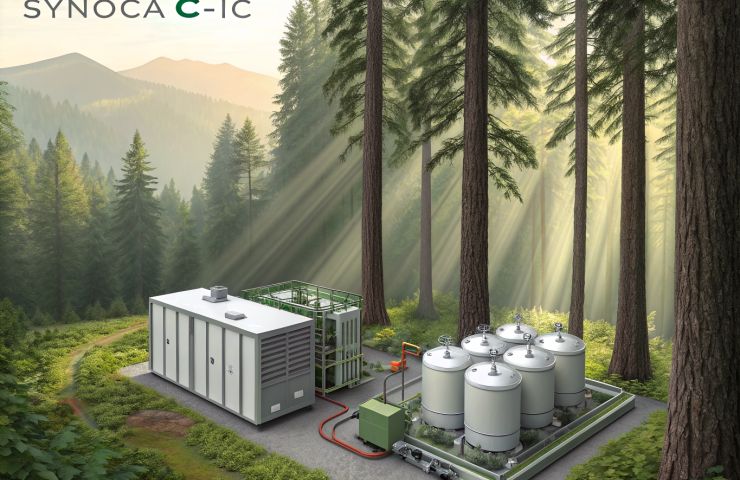
It’s not every day you see a pilot-stage technology jump right into the spotlight, but that’s exactly what just happened with Haffner Energy. This French company, which specializes in biomass thermolysis systems, just announced they’ve secured a reservation for 12 of their front-end units with OroCarbo, a California-based outfit. The deal, worth up to €30 million, is aiming to kickstart a new wave of renewable hydrogen and power hubs across the West Coast, specifically in California, Oregon, and Washington.
Reservation Signals Commercial Momentum
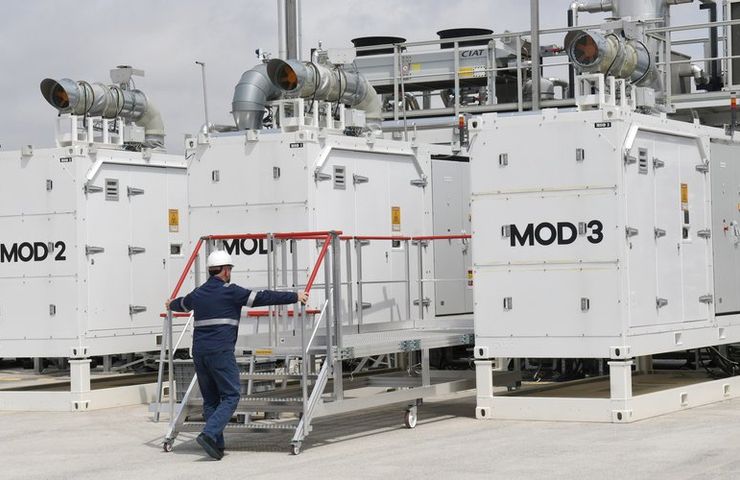
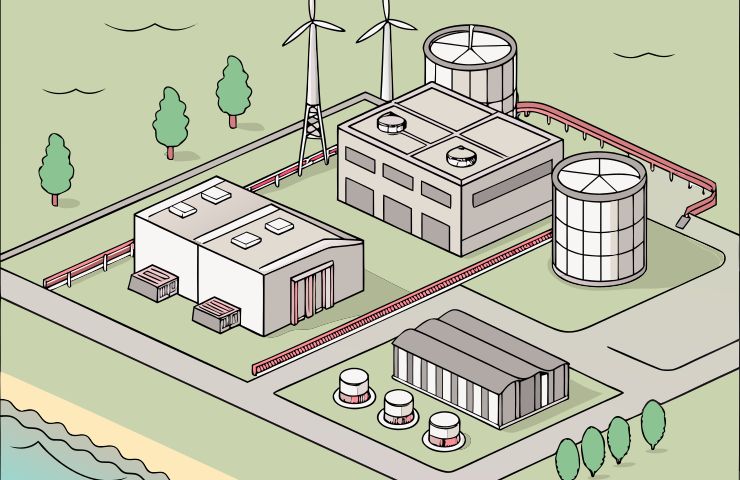
This isn’t just another line item on an order list. What this reservation really shows is that biomass-to-hydrogen is making the leap from the lab to tangible projects. Thanks to the CORE100 program, OroCarbo has set aside capacity for 12 of Haffner Energy’s SYNOCA C-iC units. Each of these cool modules transforms locally sourced forestry and agricultural waste into hydrogen-rich syngas, which can be refined into fuel for vehicles or used to generate power in areas where the grid isn’t so reliable. For OroCarbo, the mission is straightforward: create renewable hubs that can deliver stable, low-carbon hydrogen and electricity to those hard-to-reach spots on the West Coast.
Digging into the SYNOCA C-iC Process
So, how does the magic work? It all goes down through biomass thermolysis—a thermal process that breaks down solid waste into a clean syngas without the hefty electricity usage that comes with electrolysis. Picture this: leftover biomass—like sawmill scraps, orchard trimmings, or forest thinnings—is fed into a reactor. There, with controlled heating and low oxygen, those materials break down, producing a mix of hydrogen, carbon monoxide, and other gases. After that, the syngas goes through a Pressure Swing Adsorption (PSA) unit to filter out impurities and concentrate the hydrogen.
Haffner Energy has already showcased this process at their Marolles facility in France. This site holds the title for being the world’s first plant to continuously produce hydrogen from solid biomass. Initially, it produced about 11 kg of hydrogen per hour due to the existing PSA constraints, but after installing a new adsorber, they’re now pushing towards their target of 15 kg/h. Recently, they’ve also been busy testing their next-gen H6 technology, paving the way for a broader commercial rollout.
Haffner’s Track Record and Tech Evolution
With over 30 years under their belt in biomass energy, Haffner Energy has finely tuned its thermolysis systems. Their Marolles facility not only proved that continuous hydrogen production from solid waste is possible, but it also functions as a training and testing ground. They’re capable of producing over 15 kg/h for around 8,000 hours each year. Beyond France, they’ve snagged a significant contract to set up a plant in Switzerland for H2 bois SA that aims for a daily output of 720 kg of hydrogen, plus electricity and biochar, set to go live next summer. Meanwhile, the H6 generation is in advanced testing, promising a route toward more cost-effective, modular syngas production units. This evolution highlights Haffner’s shift from niche, small-scale projects in Europe and Africa to creating a reliable supply chain where these modules can be deployed around the globe.
Cost Dynamics and Market Outlook
Looking at the bigger picture, historical cost analyses from various national labs and independent experts revealed that biomass gasification for hydrogen often came with a higher price tag compared to conventional methods, depending on things like feedstock quality and plant size. But here’s the catch: supporters say that modular thermolysis units could change this game by sourcing feedstock locally, minimizing transport costs, and spreading fixed costs across multiple identical units. According to the recent reservation reports, each SYNOCA C-iC module comes with an estimated price tag of around €2.5 million, plus a small booking fee to secure that capacity. Though prices may fluctuate until final contracts are signed, they give a good idea of the scale involved and explain why developers are eager to lock in manufacturing slots before getting into the nitty-gritty of financing. Integrating these units with downstream purification, compression, and distribution infrastructure will be crucial in driving down the cost per kilogram of hydrogen to be in line with electrolysis or fossil-derived hydrogen with carbon capture.
Strategic Angle: Hydrogen Hubs in the Western U.S.
So, what’s the appeal of the West Coast? California, Oregon, and Washington boast ambitious decarbonization policies, abundant biomass resources, and frequent grid hiccups. There’s no shortage of forestry and agricultural waste just sitting there, waiting to be tapped—instead of being left unused, technologies like SYNOCA C-iC can help unlock that energy potential. With aggressive goals for zero-emission transport and the need for reliable power in rural areas, state regulators are looking past the usual solar and wind intermittency, seeking reliable solutions. Enter biomass-derived hydrogen—often overlooked but invaluable because it doesn’t depend on electrolyzers linked directly to renewable electricity.
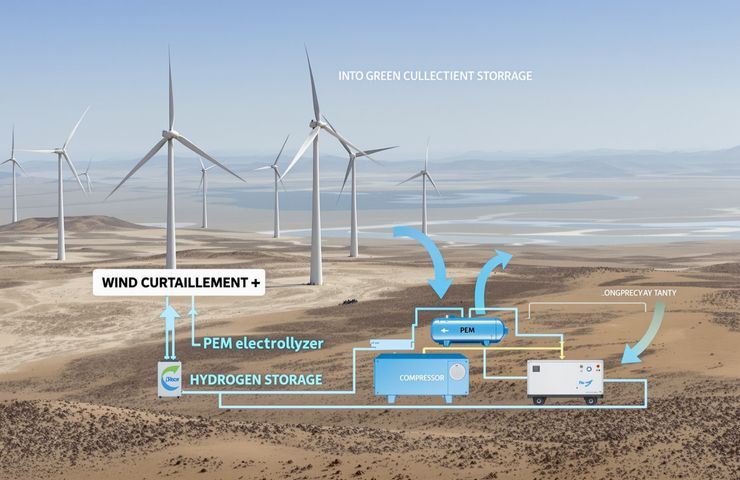
By reserving this equipment now, OroCarbo is gearing up for feedstock logistics, site assessments, and discussions around off-take agreements for heavy-duty mobility fleets or microgrids. This strategy aligns with a recent trend where project developers diversify their approaches across various production methods—like electrolysis, pyrolysis, and blue hydrogen—rather than putting all their eggs in one basket. It allows teams to mix and match the best feedstocks and conversion routes as policy incentives and market needs shift. In areas where electricity prices fluctuate, biomass thermolysis might turn out to be more cost-effective, while electrolyzers can fill the gap when renewable energy flows freely.
Environmental and Policy Considerations
But it's not all smooth sailing. Biomass-energy projects do come with their share of environmental concerns. Critics argue that sourcing feedstock might disrupt land-use patterns, harm forest carbon stores, or even lead to unintended emissions if the materials have to travel long distances. It’s important to do thorough lifecycle assessments that consider transport, process energy, and carbon accounting. Supporters argue that using actual waste residues—which would otherwise decay or get burned—can reduce land-use change risks and may even result in net negative emissions if biochar by-products are returned to the soil.
Regarding regulations, the West Coast is still working on how to certify these processes under Low Carbon Fuel Standards or renewable portfolio standards. Securing air permits for thermal biomass facilities can be a complicated affair, and tracing the feedstock requires rigorous auditing. However, incentives like California’s LCFS credits or Oregon’s Clean Fuels Program could tip the scale in favor of modular biomass conversion alongside electrolytic hubs.
Next Steps and Industry Outlook
At this point, it’s key to understand that OroCarbo’s reservation is just that—a hold on manufacturing capacity, not an ironclad construction contract. Turning those 12 modules into operating hubs will rely on final off-take agreements, permitting, detailed engineering, and financing. But this move definitely sends a strong message: companies outside Europe are ready to invest in biomass-derived hydrogen alongside electrolytic green hydrogen. Both developers and equipment suppliers will be eagerly watching for orders on PSA units, compressors, or fuel cells to get that syngas ready for market.
Industry watchers will be keen to see if this initial reservation leads to downstream orders for purification, compression, or distribution equipment. If these hubs advance as planned, we might witness a new model of distributed hydrogen production that bridges the gap between large electrolysis setups and on-demand bioenergy systems. And for regions grappling with limited grid capacity, that could really change the game.
Ultimately, the aim is to carve out a niche for biomass hydrogen within the wider mix of clean energy technologies. With Haffner Energy and OroCarbo leading the charge on the West Coast, we might soon find out if this once-theoretical option can scale up beyond Europe and truly deliver on its promise of being dispatchable and off-grid.