Brazilian Breakthrough in Hydrogen Production Could Drive Down Green H₂ Costs by 19%
Brazilian scientists have developed a new catalyst purification method using glycerol and light, improving green hydrogen production efficiency and potentially cutting costs by 19%.
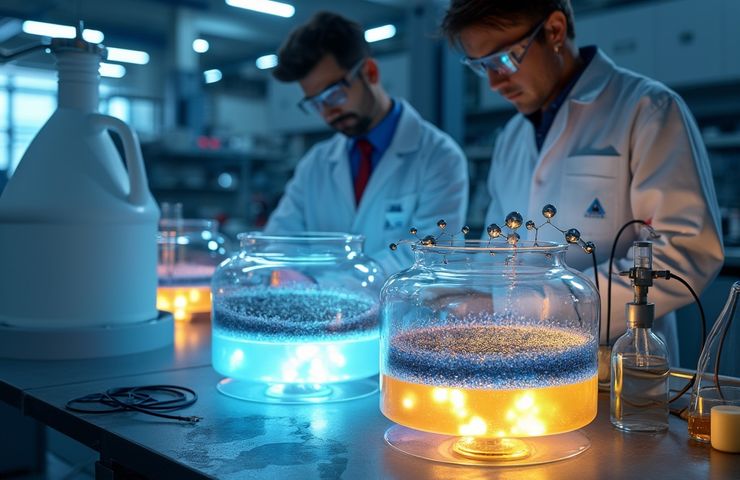
Brazil is taking bold steps in the clean energy space—this time by cooking up a fresh take on green hydrogen production that cleverly mixes chemistry with everyday waste from making biodiesel. A research group at UNICAMP in Campinas, São Paulo, part of the Center for Innovation in New Energies (CINE), may have just cracked a smarter and cheaper way to boost hydrogen output using sunlight, science, and a whole lot of local know-how.
A Catalyst That Cleans Itself—Powered by Glycerol
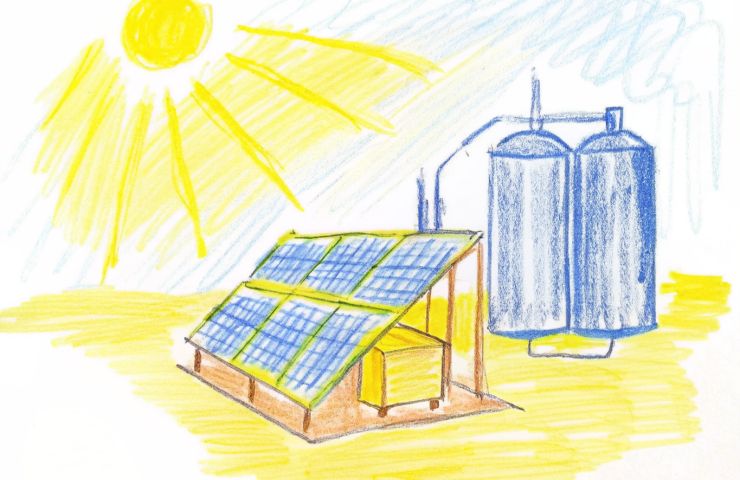
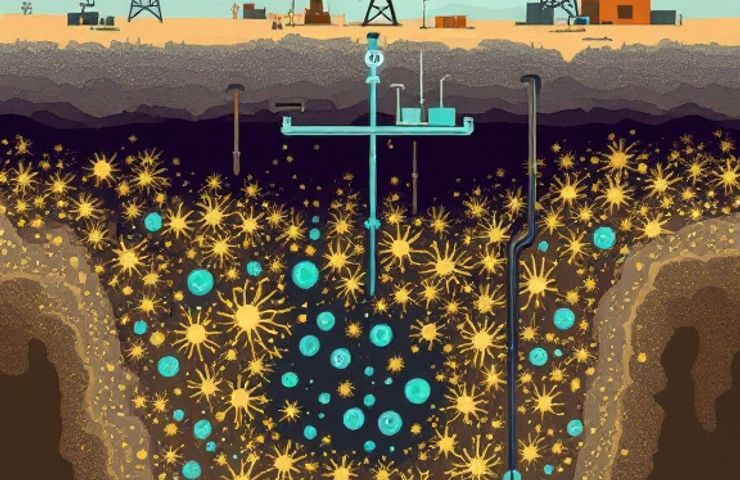
So, here’s the twist: The team’s using something called photoelectrochemical purification to solve a stubborn problem in hydrogen production. Semiconductors used in the process often get bogged down by impurities. But the researchers have found that when this process is applied to mullite-type bismuth ferrite (Bi₂Fe₄O₉)—a wallet-friendly semiconductor—and combined with glycerol (a leftover from making biodiesel), the material actually cleans itself. Thanks to sunlight and a bit of electrochemical wizardry, unwanted phases that drag performance down are zapped away.
"It’s kind of like the catalyst gets better the more you use it," said one researcher involved in the project. "And the best part? We’re using something Brazil’s already producing tons of."
The results speak for themselves. According to a study slated for publication in Electrochimica Acta in 2025, the treated bismuth ferrite films showed a 58% improvement in hydrogen evolution efficiency. Not too shabby for a process that runs on waste.
Making the Most of What’s Already Here
Brazil’s biodiesel industry churns out more than 6.4 billion liters a year—and with it, mountains of glycerol. Usually, that byproduct is more of a headache than a help. But here? It’s the secret sauce. And since Campinas handles about 25% of the country’s biodiesel output and is home to scientific powerhouses like UNICAMP, the region’s perfectly positioned for this kind of green tech to take off.
This neatly ties in with Brazil’s broader energy vision. The National Hydrogen Program, rolled out in 2021, has its sights set on 70% renewable hydrogen by 2040. This glycerol-based innovation fits right in—and might even give that timeline a nudge forward.
Cutting Costs and Gaining Ground
The upside goes beyond just the science. Researchers at CINE believe this new approach could cut green hydrogen production costs by about 19%. Considering how high costs are still a major roadblock, that’s a big deal. And because their technique doesn’t rely on rare and pricey platinum-group metals, it could take the place of Pt-based catalysts in certain commercial applications—a market that could be worth $3.2 billion by 2025.
Backed by industry giants, the next step is to test this tech in the real world. Shell, through its joint venture Raízen with Cosan, is jumping in to support pilot testing at an actual sugar mill. It’s the kind of partnership that mirrors a bigger industry shift toward bringing bioenergy and hydrogen systems under one roof—connecting the dots locally while chasing big goals globally.
Two Wins in One Go
Here’s the kicker: this isn’t just about clean energy. The same process that powers hydrogen production also happens to purify organic waste. So while it's making fuel, it’s also working as a wastewater treatment tool. That’s a pretty neat example of hitting two sustainability targets with one clean-tech stone.
And in many ways, it’s a modern echo of Brazil’s old Proálcool program from the 1970s. Except now, it’s not just sugarcane to ethanol—it’s about plugging legacy biofuel infrastructure into the future of renewables with smarter, cleaner solutions.
What’s Next: Scaling Up and Locking It Down
With a patent already filed (BR10202500001-0) and pilot testing on the horizon for 2025, the team is moving from theory to reality. If all goes as planned, this could be a major leap in making clean hydrogen scalable—not just for Brazil, but for any country looking to do more with less.
"There's more and more awareness that making hydrogen affordable won’t come from just better equipment—it’ll come from better chemistry and smarter use of leftovers," said a Shell executive working on the Raízen collaboration.
With the country’s top minds, deep industry ties, and global momentum all pointed in the same direction, Brazil’s proving that the road to sustainable hydrogen production might just be paved with waste—and win-win innovations like this one.