Brockhaus Develops BlueCube: Modular Green Hydrogen Production for Steel Processing
Brockhaus Group advances green hydrogen production with BlueCube in Plettenberg, aiming to replace grey hydrogen in steel processing with sustainable options powered by renewable electricity.
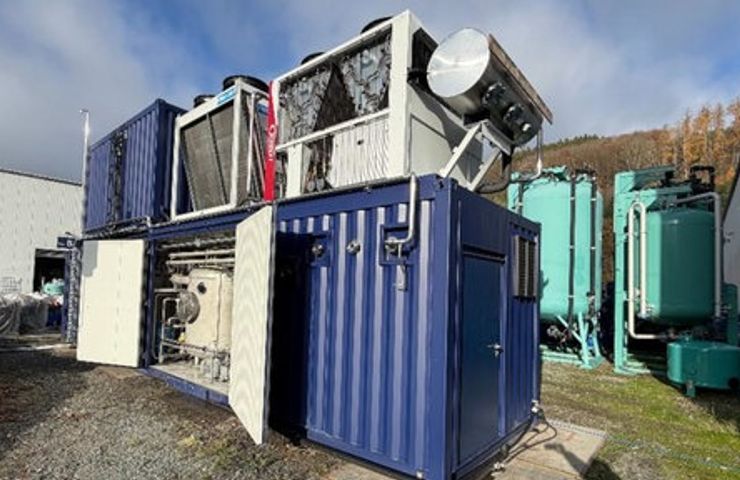
In Plettenberg, Germany, the Brockhaus Group is advancing green hydrogen production through its BlueCube initiative, a planned deployment of modular alkaline electrolysers. The project aims to replace the company’s current use of grey hydrogen in the annealing process of steel coils with sustainable hydrogen sourced from renewable electricity, primarily from its own photovoltaic installations. It is a factory-level change in input fuel, shifting a specific heat-treatment step away from fossil-derived hydrogen to locally produced, renewables-driven hydrogen.
Regular operations are expected to commence in 2027. Brockhaus is investing over EUR 1 million in the BlueCube project and anticipates annual energy cost savings of approximately EUR 100,000. The numbers are precise and form the financial baseline for the company’s internal evaluation of the project’s viability.
Key Insights
- The BlueCube system will help Brockhaus decarbonize its steel processing operation.
- This initiative also seeks to establish a new market for modular electrolysers designed for similar industrial applications.
- The project aligns with Germany’s National Hydrogen Strategy, which emphasizes the industrial use of hydrogen and aims to increase the domestic electrolysis capacity significantly by the end of the decade.
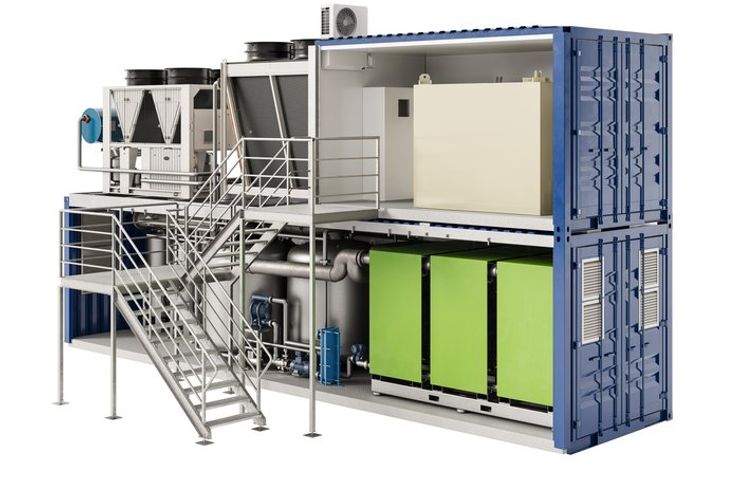
The BlueCube technology is designed for capacities ranging from 1 MW to 100 MW, with a focus on decentralized hydrogen production to limit reliance on traditional hydrogen supply chains. It uses alkaline electrolysers, where an aqueous alkaline electrolyte, usually potassium hydroxide, facilitates the separation of water into hydrogen and oxygen. Renewable electricity powers that electrochemical process, directly mitigating the carbon emissions associated with hydrogen produced from fossil fuels.
Modularity is central to the concept. Small units can be deployed close to consumption points. Larger installations can be scaled by adding modules rather than building a single, monolithic plant. This approach is intended to match industrial demand profiles and site constraints while keeping the hydrogen supply local and predictable.
Business and Strategic Angle
The strategic value of the BlueCube project is two-fold. Firstly, it allows Brockhaus to reduce its operational costs by accessing locally produced hydrogen, rather than relying on externally purchased grey hydrogen. Secondly, acquiring hands-on experience in hydrogen technology positions Brockhaus as a potential supplier in the burgeoning hydrogen market, where demand for decarbonization technologies is rising.
Caspar N. Brockhaus, CEO of the BROCKHAUS Group, has highlighted the anticipated economic advantages of integrating green hydrogen into their production process, underscoring the shift towards sustainability within the steel industry. Asim Jashari, project leader for the BlueCube initiative, noted that the project's design was also intended to cater to the needs of other medium-sized industrial companies.
Those two sentences are central to the company’s public framing of the project. They make clear both the internal business case — lower energy costs and supply security — and the external ambition to create a product and experience that other firms can adopt. The emphasis is therefore operational as well as commercial.
Technological Context
The alkaline electrolyser technology used in the BlueCube system not only complements existing industrial processes but also allows for flexibility in operation, matching production rates to the availability and pricing of renewable electricity. Flexible electrolysis enables the electrolyser to operate during periods of low electricity costs, providing a significant advantage in managing energy expenses.
Flexibility has concrete effects. When solar output is high and spot prices fall, the electrolyser can run at higher load. Conversely, production can be reduced when electricity is scarce or expensive. That operational flexibility helps align hydrogen output with both the variability of renewable supply and the economics of electricity markets without changing the core chemistry — the alkaline electrolyte remains the means of producing hydrogen and oxygen.
By linking production to local photovoltaic generation, Brockhaus aims to keep more of the energy value chain on site. This reduces exposure to volatile external hydrogen markets and the logistics of transporting hydrogen. It also increases the traceability of the hydrogen’s carbon footprint, since the power source is known and controlled by the facility.
Future Implications
The BlueCube project at the Brockhaus facility is poised to establish a critical link between industrial needs and sustainable energy solutions. If successful, it may pave the way for a diverse array of applications using green hydrogen across different sectors. Furthermore, its implementation may set new standards for efficiency and sustainability within the industrial landscape, reinforcing Germany's position as a leader in hydrogen infrastructure and technology.
For medium-sized industrial firms, the model offers a straightforward proposition: reduce scope-1 emissions at the point of use; lower energy costs through on-site production; and gain operational experience with modular electrolysis. For policymakers and market observers, the project provides a working example of how Germany’s National Hydrogen Strategy can be translated into plant-level practice.
As industries continue to grapple with decarbonization and the transition to green energy, Brockhaus's BlueCube initiative stands as a notable example of how traditional sectors can innovate and align themselves with the goals of a sustainable future. The coming years — beginning with the planned 2027 start of regular operations — will determine whether the financial and technical assumptions underlying the project hold up in practice.