CEOs Demand Government Action on Hydrogen Infrastructure and Production
CEOs at the World Hydrogen Summit in Rotterdam launched “Hydrogen for a Resilient World,” urging governments to fast-track hydrogen production, demand tools like CfDs, and major infrastructure investment.

This month’s World Hydrogen Summit, the Hydrogen Council introduced a powerful take on the situation, kicking things off with a CEO-led Call-to-Action named “Hydrogen for a Resilient World.” The message? It’s high time governments put aside the endless debate over green hydrogen versus blue hydrogen. Instead, they've got to mobilize and make hydrogen a key player in tackling crises, ramp up demand, and build the infrastructure needed to support the scale of production and storage we desperately need. This isn't just chatter—it's part of the latest clean hydrogen news pushing policymakers and investors to step up their game.
During a roundtable session with ministers and executives, the CEOs laid out three major action points they want to see happen. First off, they’re advocating for clean hydrogen production to be integrated into emergency response plans, using hydrogen fuel cells and ammonia as backup options when the power grids go down. Next up, they’re pushing for some solid demand-creation strategies—things like contracts for difference, offtake guarantees, and public procurement initiatives that can give investors the confidence they need. Finally, they’re calling for a speedy rollout of essential equipment: electrolyzers, high-pressure storage solutions from companies like Hexagon Purus, repurposed pipelines, and terminals at ports for importing and exporting hydrogen. The support from heavyweights like Johnson Matthey speaks volumes about the urgency behind these actions.
But here's the thing: its impact goes beyond just words. This is a strategic move targeting policymakers who are struggling to juggle short-term crises. With energy security and decarbonization on the table, governments now have a critical choice to make: consider hydrogen as merely an option or invest properly in demand-side guarantees and the vital infrastructure we need. The CEOs are clear that without guarantees or meaningful contracts, the costs of producing green hydrogen will remain too high to attract the investment it needs to thrive. Integrating hydrogen into crisis-response efforts could help manage the unpredictability of renewable energy, but only if we transition from plans and discussions to building physical infrastructure.
Under the Hood: Hydrogen Infrastructure
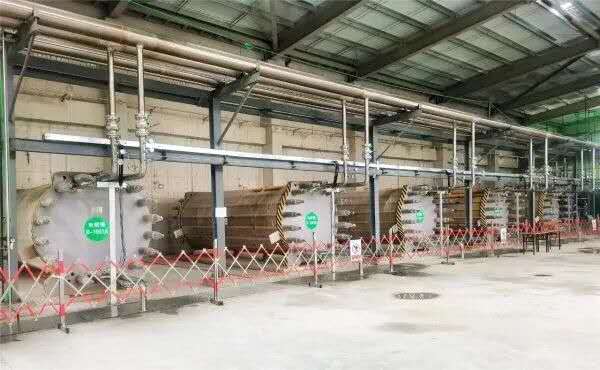
A thriving hydrogen economy depends on tangible resources. Electrolyzer facilities powered by wind or solar energy can split water into green hydrogen through methods like PEM or alkaline electrolysis. These setups need some upgrades to the grid, plus water treatment systems and compression tools to get the hydrogen into storage. On the storage side, high-pressure composite cylinders from Hexagon Purus support mobility applications, while underground salt caverns help manage seasonal storage needs. We can even look at repurposing existing natural gas pipelines—provided operators can handle the risks that come with hydrogen embrittlement and leaks. In ports like Rotterdam, terminals for liquefaction and ammonia cracking are ready to create that critical supply chain link between exporting areas and industrial markets, forming a solid logistics framework. These terminals are designed to handle everything from liquid hydrogen carriers to ammonia, and without such nodes, scaling up green hydrogen production could end up isolated in remote renewable regions.
Policy Shortfall: Where Demand Tools Matter
Let’s be honest: just announcing plans isn’t going to get us the necessary investment. Developers are going to need reliable revenue streams to drive down the costs of producing green hydrogen to make it competitive with fossil fuels. This is where contracts for difference (CfDs) and offtake guarantees come into play. A CfD basically locks in a fixed price, helping producers deal with the gap between market rates and the actual costs of clean hydrogen. Offtake guarantees and lead-market programs are crucial as they tie buyers—either government or corporate—to agreed amounts over a set period, greatly reducing demand risk. Add in public procurement quotas for green steel or low-carbon ammonia, and you kickstart a structural demand push. Without these kinds of agreements, all the announced projects risk stalling—exactly what this CEO coalition aims to avoid. They’re pointing out that clean hydrogen offtake agreements are crucial for unlocking private funding for electrolysis plants and large-scale storage facilities—negotiations that often stall without a solid policy backbone.
Alternate Path: Battery vs Hydrogen
Now, don’t get me wrong—battery energy storage isn’t just sitting idle; it’s right there on hydrogen’s tail. Lithium-ion storage is cheaper by the kilowatt-hour, and smart grids are getting better at managing demand. But there are still challenges, especially regarding long-duration storage and demand from heavy industry. Hydrogen really shines in areas that are tough to electrify, like long-haul shipping, high-temperature industrial processes, and synthetic fuel production. But that advantage dims without scaling. If policymakers choose to sideline hydrogen in favor of battery storage solutions for managing power demand, we could end up with a split market. The CEOs are banking on their Call-to-Action to shift focus back to hydrogen's unique capabilities instead of letting it fade into the background. Meanwhile, major utilities are keeping a close eye on both sides of the game—whoever sets the policy standards will dictate the clean energy direction for the next decade.
Industry Signals: Johnson Matthey & Hexagon Purus
Two members of the coalition have already jumped into action, amplifying the request. The UK-based catalyst expert Johnson Matthey is framing its backing as a strategic move, promoting its low-emission electrolyzer catalysts and fuel cell components while urging governments to align their policies with manufacturing needs. On the other hand, Norway's Hexagon Purus emphasized the necessity for stable demand in hydrogen storage, warning that without clear investment signals, we won’t see a multiplying of refueling and compression stations. Their synchronized social media efforts highlight a collective message: suppliers understand that binding offtake agreements or CfDs are essential for justifying multi-million-dollar investments. This united approach signifies that the industry sees policy inertia as the primary obstacle to the growth of green hydrogen production.
Trade Route Focus: Rotterdam’s Role
Rotterdam isn’t just playing host to discussions—it’s aiming to position itself as Europe’s hydrogen hub. The city’s extensive terminals and planned salt cavern projects directly align with the infrastructure goals of the Call-to-Action. By anchoring this initiative at the World Hydrogen Summit held here in Rotterdam Ahoy, the Hydrogen Council is emphasizing the necessity for real projects—liquefaction docks, ammonia terminals, and pipeline connections to the Rhine basin—to follow policy intentions. Should Rotterdam succeed in establishing its import-export terminals, it could set a standard for other cities. On the flip side, if things don’t go as planned, we run the risk of cross-border hydrogen networks being nothing more than theoretical discussions. Local authorities are dangling subsidies and promoting faster permitting processes, but to gain that unpredictable investment, we need binding offtake agreements and internationally valid certification standards.
At the end of the day, all this talk around 'Hydrogen for a Resilient World' really depends on political will—something that often seems in short supply. The coalition's demands echo long-standing calls for integrating hydrogen into crisis response, covering revenue gaps, and constructing the necessary infrastructure. History reminds us that securing binding CfDs and offtake deals can get tangled up in budget cuts, and cross-border pipeline negotiations can take ages. Meanwhile, the race to transition our energy systems doesn’t wait around for anyone. Direct electrification, battery storage, and energy efficiency measures are all vying for the same investment dollars. For hydrogen advocates, the challenge is to show that their projects can deliver resilience in a timely manner, rather than just offering up plans. The real challenge appears when finance ministries must balance funding with fiscal constraints. And let’s not kid ourselves: managing renewable energy intermittency with electrolyzers and hydrogen storage looks good on paper, but it involves serious logistical challenges like securing water resources, land rights, and navigating the permitting maze—none of which gets resolved quickly.