Ceres Joins Hydrogen Council to Advance Solid Oxide Fuel Cell Technology and Industrial Decarbonization
Ceres joins the Hydrogen Council to advance solid oxide fuel cells and green hydrogen solutions for hard-to-decarbonize industries like steel and ammonia, marking a strategic move in global hydrogen collaboration.
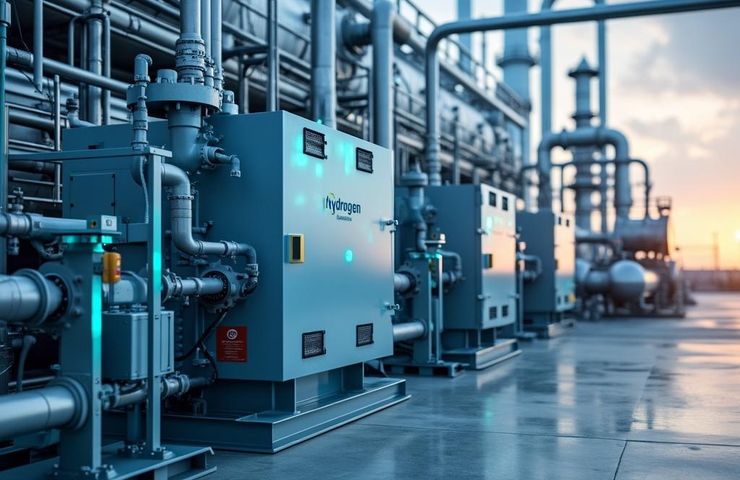
Ceres, the UK-based clean energy company known for its cutting-edge solid oxide fuel cells (SOFC) and solid oxide electrolysis cells (SOEC), just joined the Hydrogen Council—a major step that puts them right at the heart of the global push for faster, smarter hydrogen production and deployment.
Big League Move: Local Tech, Global Stage
As of June 17, 2025, Ceres becomes part of the CEO-driven Hydrogen Council—a high-profile collective of over 140 major players from more than 20 countries, all committed to driving the clean energy shift with green hydrogen solutions in sectors like energy, mobility, and heavyweight industry.
But this move isn’t just symbolic. For Ceres, it’s a key opportunity to help shape the future of hydrogen infrastructure, influence global standards, and be part of critical policy conversations. It also fits right in with Ceres’ technology licensing business model, which has already powered partnerships with heavyweights like Doosan, Weichai, and Shell, as outlined in their 2024 Annual Report.
Tackling the Sectors That Can't Plug In
What really sets Ceres apart—and no doubt helped secure their Council seat—is the muscle they bring with their SOFC and SOEC tech. These systems aren’t tomorrow’s pitch—they’re today’s tools for industrial decarbonization, built for the tough sectors where direct electrification just won’t cut it. We’re talking steelmaking, ammonia production, and backup power for energy-hungry data centers.
- SOFCs churn out efficient, clean electricity from hydrogen, biogas, or natural gas, running hot—typically between 600°C and 1000°C.
- SOECs flip that process on its head—using green power to split water and generate green hydrogen, with serious thermal efficiency perks that make them perfect for industrial settings.
By teaming up with the Hydrogen Council, Ceres is in a stronger spot to scale these solutions around the world. As hydrogen gains ground, ready-to-deploy systems like these will be crucial—not just for cutting emissions, but for boosting energy resilience and staying competitive.
Accelerating With Strong Financial Tailwinds
This new partnership caps off a killer year for Ceres. In 2024, they hit record revenues and landed major new deals, stretching from expanded manufacturing collaborations to jumping into new markets like AI-driven data centers.
Joining the Hydrogen Council isn’t a reboot—it’s a natural evolution. The Council itself is all about syncing up efforts across sectors and geographies to scale hydrogen fast. And Ceres? They’ve got proven tech, strong commercial momentum, and a licensing model tailor-made for rapid adoption. In short, it’s a perfect fit, both in purpose and pace.
Why This Matters for the Hydrogen Economy
This move could have ripple effects beyond corporate alignment—it could help supercharge the entire hydrogen value chain:
- Speeds up the development of shared standards in solid oxide fuel cells and electrolysis tech.
- Builds investor confidence by showing the sector means business—and has real, scalable tech.
- Turns up the volume on industrial decarbonization efforts for industries tough to electrify.
- Opens the door for more local jobs and supply chain growth in the push for green hydrogen solutions.
We might also start seeing SOECs show up as cornerstones in new hydrogen production hubs, especially near big industrial zones. That could be a game-changer for reducing hard-to-tackle emissions in sectors still married to fossil fuels.
Zooming Out: Hydrogen’s Moment Has Arrived
A few years back, fuel cell technology wasn’t exactly grabbing headlines. But fast-forward to 2025, and things have changed in a big way. Countries are uniting around policy, building mega-projects, and developers are finally getting the kind of momentum needed to take hydrogen mainstream.
That Ceres has a seat at this global table says a lot. Their inclusion reflects a shift in what the industry values: tech that’s efficient, proven, and ready to roll out. It also signals growing trust in Ceres’ strategy—modular technology, a partnership-friendly model, and a footprint that’s already expanding across continents and industries.
The Road Ahead
As hydrogen matures beyond pilot programs and niche applications, expect Ceres to be at the center of big conversations—helping define emissions benchmarks, set global supply chain standards, and turn hype into hardware.
If you’re watching how solid oxide electrification makes its way from pilot sites to everyday use—whether for power grids, steel mills, or transport logistics—Ceres is one to follow closely. Council membership means they’re not just watching history unfold, they’re helping shape it.