CFE Announces Hybrid Solar, Battery and Green Hydrogen Infrastructure to Stabilize Mulegé's Isolated Grid
CFE announced a hybrid solar, battery and green hydrogen scheme in Mulegé to bolster its isolated grid and cut diesel use.
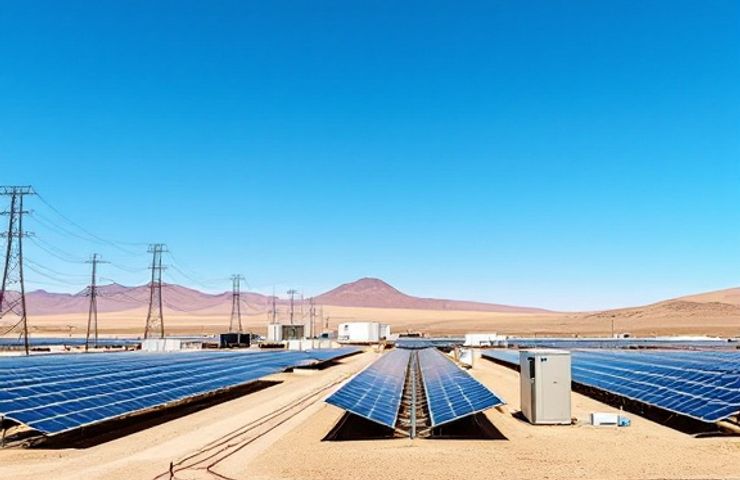
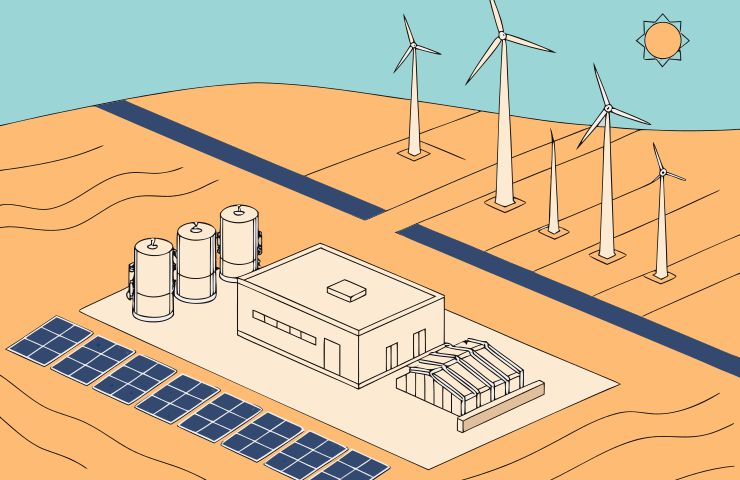
Comisión Federal de Electricidad (CFE) has rolled out an exciting hybrid power project in Mulegé, Baja California Sur, aimed at boosting its isolated power grid. This initiative combines solar photovoltaic generation with battery energy storage and green hydrogen infrastructure. What’s cool about this layered approach is that it lets excess solar energy flow into battery systems for quick storage or into electrolyzers for longer-term hydrogen storage. When power is needed, hydrogen fuel cells kick in to provide reliable energy.
This project marks one of the first state-run trials in Mexico to blend renewable energy, green hydrogen production, and storage solutions for an isolated system. Mulegé, with its unique surroundings on a peninsula cut off from the national interconnected grid, faces challenges in fuel logistics and supply security. By switching from traditional diesel or fuel oil to a clean and modular architecture, CFE hopes to smooth out operational ups and downs while enhancing resilience.
A Layered Reliability Strategy
The project's design is really customized to work with local conditions. During the day, solar PV taps into the region's abundant sunlight to meet base demand and store any surplus power. Battery systems handle those rapid up-and-down shifts in energy needs and provide backup during evening peak hours. When demand outstrips battery capacity after a few hours, electrolyzers step in to convert extra electricity into green hydrogen, which is stored for those longer events when energy is needed. Ultimately, hydrogen fuel cells help revitalize the grid when solar output and batteries aren't enough.
Technical Architecture at a Glance
While the specifics on capacity may vary, the key components of this innovative project include:
- Solar photovoltaic arrays that match daytime load profiles
- Battery energy storage systems for quick response
- Electrolyzers that create green hydrogen from renewable electricity
- Hydrogen storage tanks acting as long-term reserves
- Hydrogen fuel cells providing dispatchable, clean energy
This mix of hydrogen fuel cell technology and batteries reflects a growing trend in microgrids around the world. It’s clear that no single solution can economically meet all reliability needs in these remote areas.
Policy and Business Implications
CFE’s initiative aligns with the federal government's energy transition and supply security goals. Framing hydrogen infrastructure as part of public electricity service rather than something solely for export showcases Mexico's strategic shift toward using hydrogen for grid resilience. This move joins a broader wave of hydrogen fuel cell news as utility companies globally explore chemical storage options while upgrading traditional grids. If this design manages to cut down on fuel transport costs and outages, it could serve as a benchmark for other isolated or islanded systems, both at home and around the world.
Economic and Environmental Trade-Offs
Green hydrogen projects typically come with higher initial capital costs and some efficiency losses compared to just using batteries. The processes involved in electrolyzers and fuel cells can introduce some efficiency penalties, and water availability might limit how much hydrogen can be produced. However, being able to turn surplus solar energy into a storable chemical form expands backup capacity beyond the usual limits of battery storage and significantly cuts down on diesel use. In Mulegé, where fuel transport can be tricky due to weather and logistical issues, this trade-off might make the extra steps of electrolysis and hydrogen storage worthwhile.
Financial Considerations
Now, the upfront costs for electrolyzers and fuel cells are still pretty high in comparison to basic battery installations. Generally, the levelized cost of energy for hydrogen-based systems tends to be higher than for battery-only setups, especially when low-cost fuel is on the table. However, the fluctuating price of imported diesel—thanks to shipping delays, geopolitical challenges, and local premiums—can turn the math in favor of on-site green hydrogen production. As of now, CFE hasn’t shared detailed cost breakdowns or projected hydrogen pricing, so analysts will need to keep an eye on how diesel prices, solar yields, and equipment performance shake out over time.
Water and Resource Constraints
Water scarcity is a significant concern in arid areas like Mulegé. The process of electrolysis needs purified water, which might compete with agricultural or municipal water needs. If there aren’t clear plans for sourcing, hydrogen production could squeeze limited resources or require expensive treatment solutions, undermining both costs and carbon reduction goals.
Supply Chain and Technology Partners
While CFE hasn’t disclosed its equipment suppliers yet, there are likely manufacturers of electrolyzers and batteries in the running. Fuel cell stacks, which are essential for grid backup, cater to a specialized market, optimizing for prolonged discharge rather than transport. The vendors CFE chooses will highlight where they place their bets on efficiency, durability, and local service capabilities.
How It Stacks Up Globally
Looking globally, several isolated-grid projects in places like Chile, various European islands, and off-grid sites in Australia have tested hybrid hydrogen storage systems on a smaller scale. Few of these efforts have advanced into larger multi-megawatt projects yet. If CFE successfully integrates a substantial electrolysis setup with a full solar park and commercial hydrogen fuel cells, Proyecto Oasis could become one of the most ambitious implementations of hydrogen infrastructure for a utility operating in isolation.
Scaling Beyond Mulegé
If CFE can prove this model works effectively, it could be replicated in other decentralized areas—think smaller Baja communities or even islands in the Gulf of California. Isolated grids across the globe face the same challenges, like high logistics costs, supply vulnerabilities, and the rising price of diesel. Having a flexible approach that combines solar PV, battery storage, and green hydrogen production could help utilities slowly phase out fossil fuels and tailor solutions to local situations.
Data Transparency and Metrics
To gain industry trust, CFE will need to make performance data public, including round-trip efficiency, uptime, and overall fuel displacement. If they don’t share transparent data, external analysts might struggle to gauge improvements and validate claims about hydrogen storage benefits versus operational costs. Having real-world metrics will be crucial for honing design assumptions and directing future projects.
The Road Ahead
CFE intends to keep a close eye on how this hybrid system performs and plans to share insights as they come. If it goes well, we might see more buzz around clean hydrogen within Mexico's energy sector. Conversely, any setbacks will likely deliver tough lessons about the practical limitations of hydrogen storage in remote locations. Regardless, Proyecto Oasis is set to fuel discussions on whether green hydrogen is a viable addition to battery storage or remains a niche player in ensuring energy security in tough environments.