Chapelcross Transformed: Planning Approval Granted for Creca Hydrogen Facility
Dumfries and Galloway councillors approved the Creca Hydrogen Facility, a significant step in the UK's hydrogen production agenda from the former Chapelcross site.
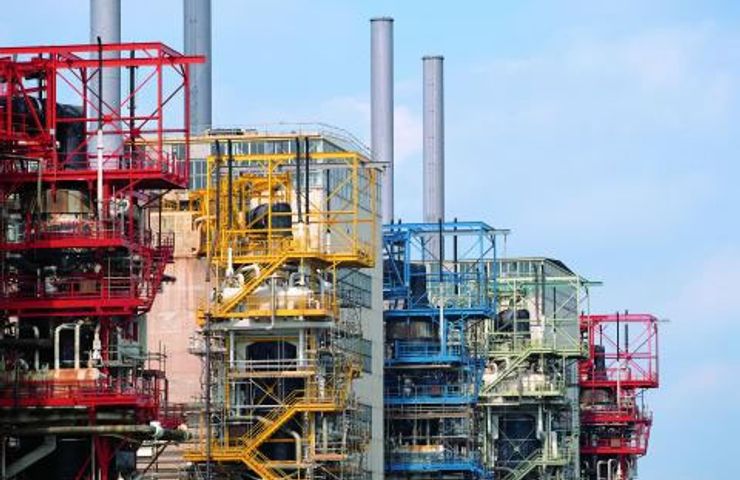
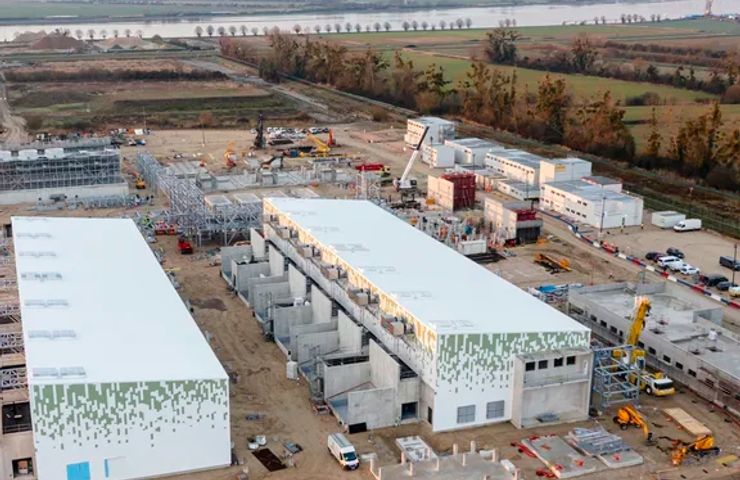
Dumfries and Galloway councillors have granted planning permission for the Creca Hydrogen Facility, a proposed hydrogen production site sited on a former runway beside the historic Chapelcross nuclear power station. The project is being led by Creca Hydrogen Ltd and Green Cat Hydrogen, and would use renewable electricity to produce green hydrogen intended for regional industrial users. Supporters say the development could play a key role in Scotland's energy transition strategy.
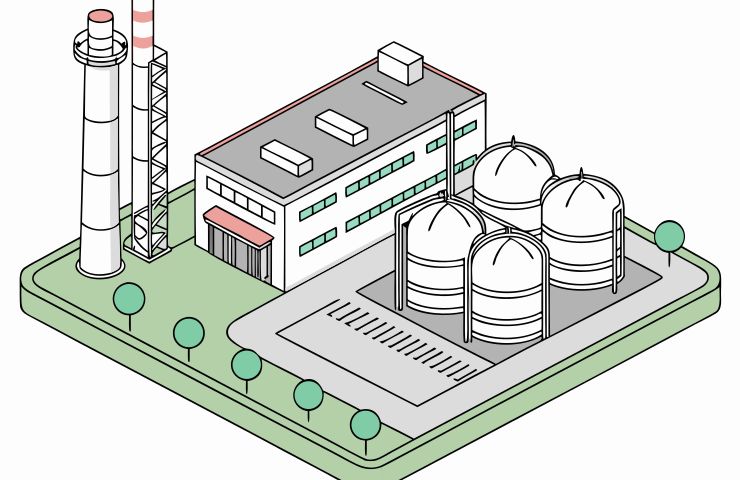
The installation is designed to include a 50 MW electrolyser, together with compressors and storage facilities, spread across roughly four hectares. Its purpose is to convert electricity from local renewable sources to split water into hydrogen and oxygen—producing what the developers describe as "green hydrogen." That hydrogen is expected to supply industry within a 20-mile radius, with particular potential to decarbonize sectors such as food, drink and manufacturing.
What It Means: Planning approval takes the scheme out of consultation and planning stages and gives it legal permission to proceed on paper. It does not, however, ensure the project will be built or run. Several additional steps remain: securing finance, obtaining environmental permits and moving through the processes required to reach actual hydrogen production.
Understand the Technology
The facility’s production method will rely on electrolysis, a process powered by renewable electricity. Purified water will be the feedstock. When an electrical current is applied, the water separates into hydrogen and oxygen. After separation, the hydrogen is compressed and dried to meet transport and storage specifications, preparing it for delivery to industrial clients.
The Strategic Importance
At a national level, the project aligns with targets set by the Scottish Government to reach 5 GW of renewable hydrogen capacity by 2030 and to expand capacity to 25 GW by 2045. The Creca Hydrogen Facility is also on the shortlist for Hydrogen Allocation Round 2, tying it to national hydrogen policy frameworks that could provide potential financial support. Planners and proponents frame the site’s inclusion in the Energy Transition Zone at Chapelcross as emblematic of a broader shift: moving a site associated with traditional nuclear generation toward a diversified, low-carbon industrial use.
Economic Considerations
Employment estimates for the facility vary across documents. Earlier reports put staffing at around 50 operational jobs and 150 construction jobs. More recent paperwork, however, suggests a very different staffing model, indicating only four full-time positions after commissioning. That divergence highlights how projections can change as a project progresses through planning and design; it also underscores the need for clearer, consistent information about the facility’s long-term local economic impact.
Beyond direct employment, the project’s economic footprint will depend on financing arrangements, the outcome of environmental assessments and the strength of commercial ties with nearby industries that would offtake hydrogen. None of those elements is settled. Developers and stakeholders must yet confirm funding, satisfy regulators and agree sales or supply contracts before the plant could move from permission to pump.
Project timelines remain provisional. The scheme is theoretically slated for 2028, although that target is described in planning documents as speculative. Until funding, permitting and market agreements are secured, the operational date cannot be treated as fixed.
This upcoming hydrogen facility could represent a transformative leap in regional energy infrastructure, but until concrete steps toward operational reality are taken, stakeholders and local industries alike should approach with cautious optimism.