Técnicas Reunidas to Supply Hydrogen Reformers for Dangote's Gode Fertilizer Complex in Ethiopia
Técnicas Reunidas has been awarded a contract to supply hydrogen-production reformers for Dangote Group's fertilizer complex in Gode, Ethiopia, aiming to enhance local fertilizer production.
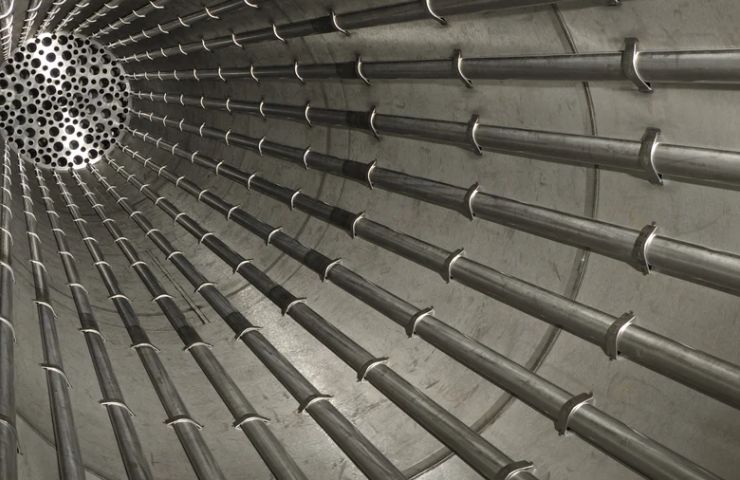
Técnicas Reunidas, S.A., a Spanish engineering company, has recently been awarded a contract by the Dangote Group to supply two hydrogen-production reformers for the planned ammonia and urea fertilizer complex in Gode, located in Ethiopia's Somali Region. According to the company, this contract marks a significant step in its efforts to expand operations in Africa, particularly within the hydrogen sector.
The announcement, made on 28 October 2026, details that the two reformers will possess a combined hydrogen-production capacity exceeding 200,000 normal cubic meters per hour and will be delivered within an 18-month timeframe. This undertaking is part of a larger project with an expected annual urea production capacity of up to 3 million tonnes, utilizing Ethiopia's domestic natural gas resources.
Project Overview and Strategic Importance
The Gode fertilizer complex is being developed in partnership between the Dangote Group and Ethiopian Investment Holdings, with Dangote holding a 60% stake and Ethiopian Investment Holdings holding 40%. This partnership underscores the Ethiopian government’s goal to enhance local fertilizer production, reduce reliance on imports, and leverage the country's natural gas reserves, particularly from the Calub and Hilala fields.
The project is seen as crucial for Ethiopia, which has historically depended on fertilizer imports, exposing its agriculture to foreign price fluctuations and supply disruptions. By establishing a domestic urea production facility, the country aims to secure its fertilizer supply and potentially export to neighboring regions.
Technical Aspects of Hydrogen Production
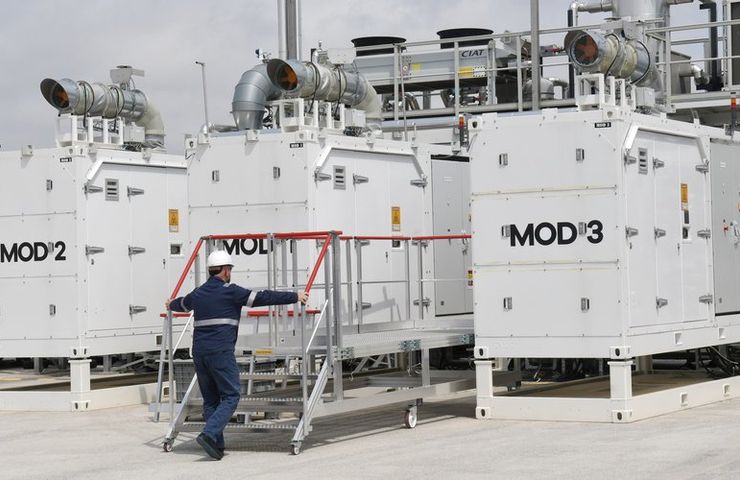
Técnicas Reunidas will conduct the design, procurement, manufacturing, and free-on-board (FOB) supply of the reformers through its TR-Technical division. These reformers will utilize natural gas as a feedstock, employing the conventional natural-gas steam reforming process, which involves converting methane into hydrogen-rich synthesis gas. In doing so, it emphasizes the distinction between conventional hydrogen production methods and more sustainable options like electrolysis, raising questions about the project's long-term environmental impact.
The Danish company Topsoe has been identified as the technology licensor for the reformers. While specific details related to the reformer model and configuration were not disclosed, the use of Topsoe's technology indicates a reliance on established chemical-process technologies that are widely employed in ammonia production.
Economic and Environmental Considerations
Economically, the establishment of the Gode complex is anticipated to create job opportunities, boost local industries, and stimulate infrastructure development, including necessary pipelines and power systems. The planned capacity to produce 3 million tonnes of urea annually represents a significant addition to Ethiopia’s domestic fertilizer production landscape.
However, the potential environmental impacts cannot be overlooked. The conventional hydrogen production process, unless combined with carbon capture technology, typically results in substantial carbon emissions. The Ethiopian government has yet to provide detailed environmental reviews or mitigation strategies regarding this project, which is essential for its sustainability claims. Without these considerations, classifying the project as a green hydrogen initiative appears premature.
Future Prospects and Conclusion
Despite the potential benefits, several uncertainties remain surrounding the Gode fertilizer complex. Critical elements, such as the timing for completion, financing arrangements, and environmental approvals, must still be addressed. According to available information, construction began in October 2025, with analysts reporting that its first operational outputs might be expected by around 2029.
In summary, the collaboration between Técnicas Reunidas and Dangote Group signifies a pivotal step toward transforming Ethiopia’s fertilizer sector. While it presents economic opportunities, it compels stakeholders to balance these against environmental considerations and the broader implications of hydrogen production methodologies.