Clean Hydrogen News: Brazil’s Decree 13.096 Unlocks Low-Carbon Hydrogen Market
Decree 13.096 operationalizes Brazil’s low-carbon hydrogen framework, detailing incentives, certification and natural hydrogen licensing to spur billions in green hydrogen production and export infrastructure.
Brazil's Government has made a significant move by rolling out Decree No. 13.096. This decree lays out the game plan for the country's low-carbon hydrogen strategy, and trust me, it's not just legal jargon; it’s the real deal! It follows the laws passed in 2024 that kicked off the National Hydrogen Policy and laid the groundwork for some sweet incentives. Now, with this decree, Brazil is putting its plans into action. It breaks down how tax credits work, introduces the Brazilian Hydrogen Certification System (SBCH2), and gives fresh responsibilities to the Agência Nacional do Petróleo, Gás Natural e Biocombustíveis (ANP). Plus, it’s paving the way for exploring natural hydrogen. Exciting times, right?
Context and Scope
Brazil has been slowly but surely shifting towards a diverse, low-carbon energy mix for decades now. We’re not just talking about any old sources—over 80% of the country's electricity comes from hydropower, wind, and biomass, with ethanol fuels woven into the fabric of the industry. Recognizing that hydrogen has a crucial role to play in those tough-to-decarbonize sectors, Congress swung into action:
Before Decree 13.096 came along, investors were kind of in the dark about how to access fiscal support or meet certification requirements. Now, this decree fills in those blanks and makes Brazil one of the first countries to lay out regulations for both green hydrogen and the newer natural hydrogen resources.
Key Incentive Schemes
The decree rolls out two key fiscal tools that work hand in hand:
Special Incentive Regime (Rehidro)
With Rehidro in play, companies getting into the business of developing electrolysis plants, reformers with carbon capture, or even biomass-to-hydrogen facilities can register for tax breaks on both domestic purchases and imports. Key points to note:
PHBC Tax Credits
The PHBC program is targeting those hard-to-abate industries, like fertilizers, steel, cement, chemicals, and heavy transport. The competitive rounds will prioritize projects with the lowest lifecycle emissions, which is essential for the future of hydrogen energy. Here are some of the juicy details:
Certification System (SBCH2)
Credible lifecycle emissions accounting is crucial for both Rehidro and PHBC to work effectively. The Brazilian Hydrogen Certification System (SBCH2) backs this up by accrediting independent bodies to:
Thanks to this mechanism, Brazil is setting the stage for transparent trade in clean hydrogen and boosting the growth of those essential hydrogen infrastructure projects across its coastal hubs.
Natural Hydrogen Regulation
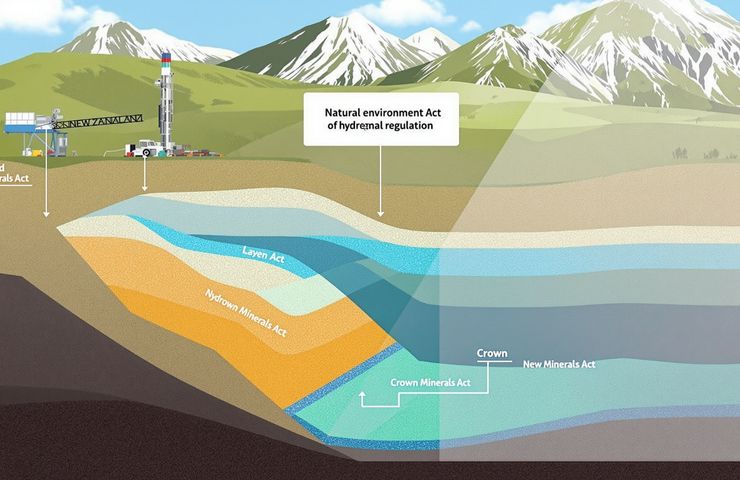
Here’s something noteworthy: this decree also takes on natural or geological hydrogen, placing it under the ANP's management. While we’re still waiting on proof of commercial deposits, ANP can now:
This early framework puts Brazil in a solid spot to potentially tap into subsurface hydrogen resources, pending confirmation from any pilot projects.
Market and Industrial Impact
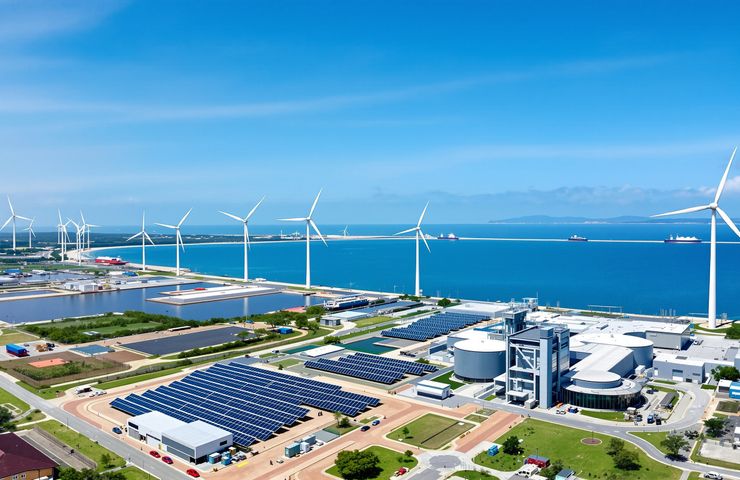
Industry insiders estimate that there’s over R$200 billion lined up for hydrogen projects just waiting for regulatory clarity. Northeastern states like Ceará, Rio Grande do Norte, and Bahia are poised to become green hydrogen and ammonia hubs, taking advantage of their top-notch wind and solar resources along with solid port infrastructure. Important impacts could include:
Environmental Considerations
Now, while the framework does address green hydrogen and blue hydrogen (that’s the natural gas reforming with CCS), there are voices from civil society and industry like the Associação Brasileira das Indústrias de Hidrogênio Verde (ABIHV) calling for stricter pathways powered solely by renewables. Critics are raising alarms that loose emissions caps or lack of enforcement could let higher-emission projects tap into subsidies, risking the integrity of Brazil's climate goals.
Outlook and Next Steps
With Decree 13.096 in effect, Brazil is making the leap from policy talk to tangible action. In the months ahead, here’s what to keep an eye out for:
Brazil's comprehensive strategy—tying together hydrogen production, green hydrogen development, certification, and bolstering infrastructure—might just become a blueprint for other regions in Latin America. The upcoming year is set to show whether this regulatory clarity leads to a rush of operational plants or keeps everyone waiting for more direction.