Japan and India to Back Landmark Green Hydrogen Production Project
Japan and India plan to support a pioneering green hydrogen and ammonia project led by IHI and ACME to harness renewable energy for low-carbon fuels in power generation and industry.
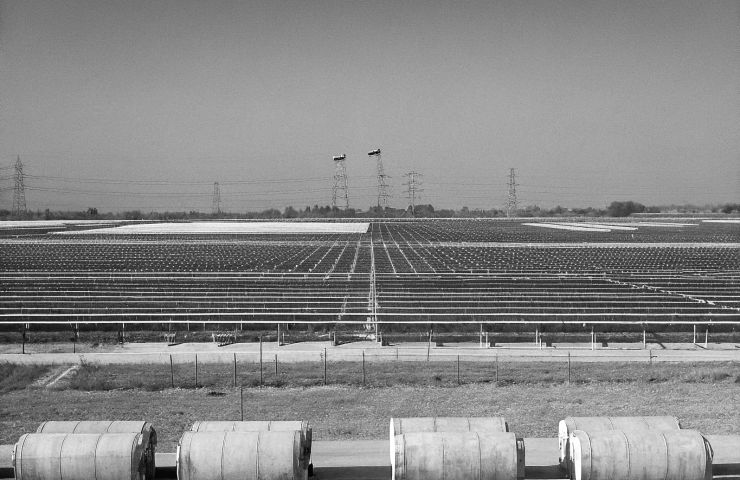
Imagine this: two economic giants teaming up to amp up the global shift towards green hydrogen production. In a partnership that's bound to shake things up in the hydrogen energy news, Japan and India are gearing up to support an exciting project led by IHI Corporation and ACME Group. The goal? To transform plentiful renewable energy into low-carbon ammonia and green hydrogen on a large scale—providing cleaner energy to industries and power plants without needing to overhaul everything overnight.
What’s the Project All About?
At their recent high-level talks, the governments of Japan and India expressed their commitment to an ambitious project aiming to produce green hydrogen and low-carbon ammonia at scale. This initiative is driven by Japan’s engineering expert, IHI Corporation, and India's renewable energy powerhouse, ACME Group. They’re planning to tap into India's abundant sunshine to generate hydrogen through a method called electrolysis. After the hydrogen is purified and compressed, it will enter a modern Haber-Bosch synthesis cycle to create ammonia using nitrogen extracted from the air. The resulting green ammonia can be stored and transported, or even mixed into existing power plants, especially Japan’s coal units, without needing to phase out current infrastructure right away.
Who’s Driving This Collaboration?
This collaboration pairs two governments that each bring valuable experience to the table. Japan’s national government has been a long-time advocate for hydrogen and ammonia strategies, utilizing a mix of subsidies, public-private partnerships, and bilateral agreements. By supporting this venture, Tokyo aims to secure a steady supply of low-carbon ammonia while protecting itself from the unpredictable LNG and coal markets. Meanwhile, India’s national government, via its National Green Hydrogen Mission, is all about reshaping its energy landscape, boosting industrial growth, and stepping up as a leading exporter of green fuels. The private sector is crucial too:
How Will the Technology Work?
The plan revolves around established hydrogen production methods and chemical synthesis, tailored for a cross-border collaboration:
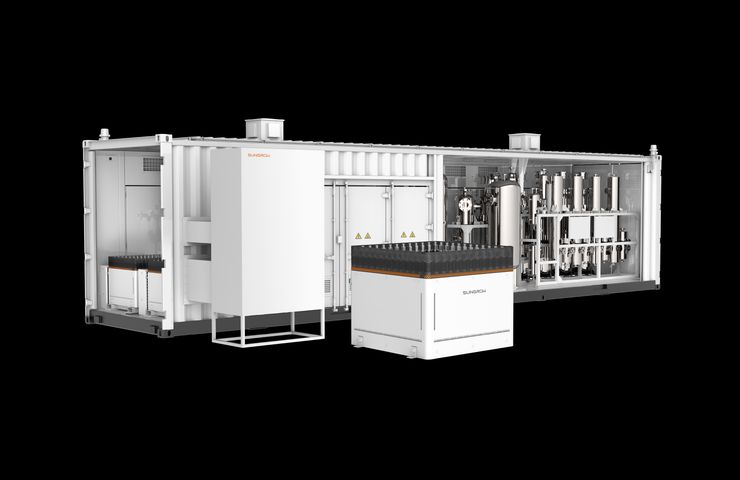
1. Green hydrogen through electrolysis: Big solar farms will generate Direct Current, which feeds into electrolyzer systems. These units—either alkaline or PEM (Proton Exchange Membrane)—split water into oxygen and hydrogen, doing this with minimal emissions. After production, the hydrogen is dried, purified, and then either compressed or liquefied for further use.
2. Low-carbon ammonia synthesis: Once the hydrogen is purified, it meets nitrogen, which is separated from the air using energy-efficient methods. The two gases then head into a Haber-Bosch loop designed for modular operations. Here, they're pressurized and heated over iron-based catalysts to produce ammonia, which is then cooled into a liquid ready for storage and shipping.
3. Ammonia as a fuel and carrier: This project is designed to serve two distinct markets. In India, that green ammonia can power fertilizer plants or provide energy for industrial use. When it comes to exporting to Japan, the ammonia will be vaporized and can either be blended in existing thermal power stations or co-fired with traditional fuels. IHI’s ammonia combustion systems are developed to ensure flame stability and control NOx emissions, using techniques like staged combustion and tailored burner designs.
Why Does It Matter for Energy Transition?
This initiative represents a fresh approach to hydrogen infrastructure and clean fuel trade. Here’s why this is significant:
What Benefits Can We Expect?
Beyond just cutting emissions, this partnership is poised to deliver a host of benefits:
What Comes Next?
With backing from both governments and companies fine-tuning their engineering studies, the next steps involve getting a formal memorandum in place and securing project financing. The timeline will likely feature phases for feasibility assessments, negotiations with off-takers, and initial construction in renewable-rich regions like Rajasthan or Gujarat. Observers will be on the lookout for:
If all goes according to plan, this innovative project could set a precedent for similar hubs across Asia and beyond. It’s a remarkable example of how green hydrogen production and ammonia synthesis—concepts long discussed in policy agendas—can move from theory to practical application, bridging nations with complementary strengths. This showcases the power of strategic partnerships to accelerate decarbonization, enhance energy resilience, and unlock new growth paths in the green economy.
For anyone keeping an eye on hydrogen production and hydrogen energy news, this Japan-India alliance stands out as a significant milestone—one that could reshape fuel markets and pave the way toward a cleaner, more secure energy future.