Norwegian Hellesylt Hub Secures RFNBO Certification for EU Markets
Hellesylt Hydrogen Hub in Norway has obtained RFNBO certification from ISCC, confirming its green hydrogen production meets EU requirements for renewable electricity sourcing, traceability and sustainability, unlocking access to regulated markets and support schemes.
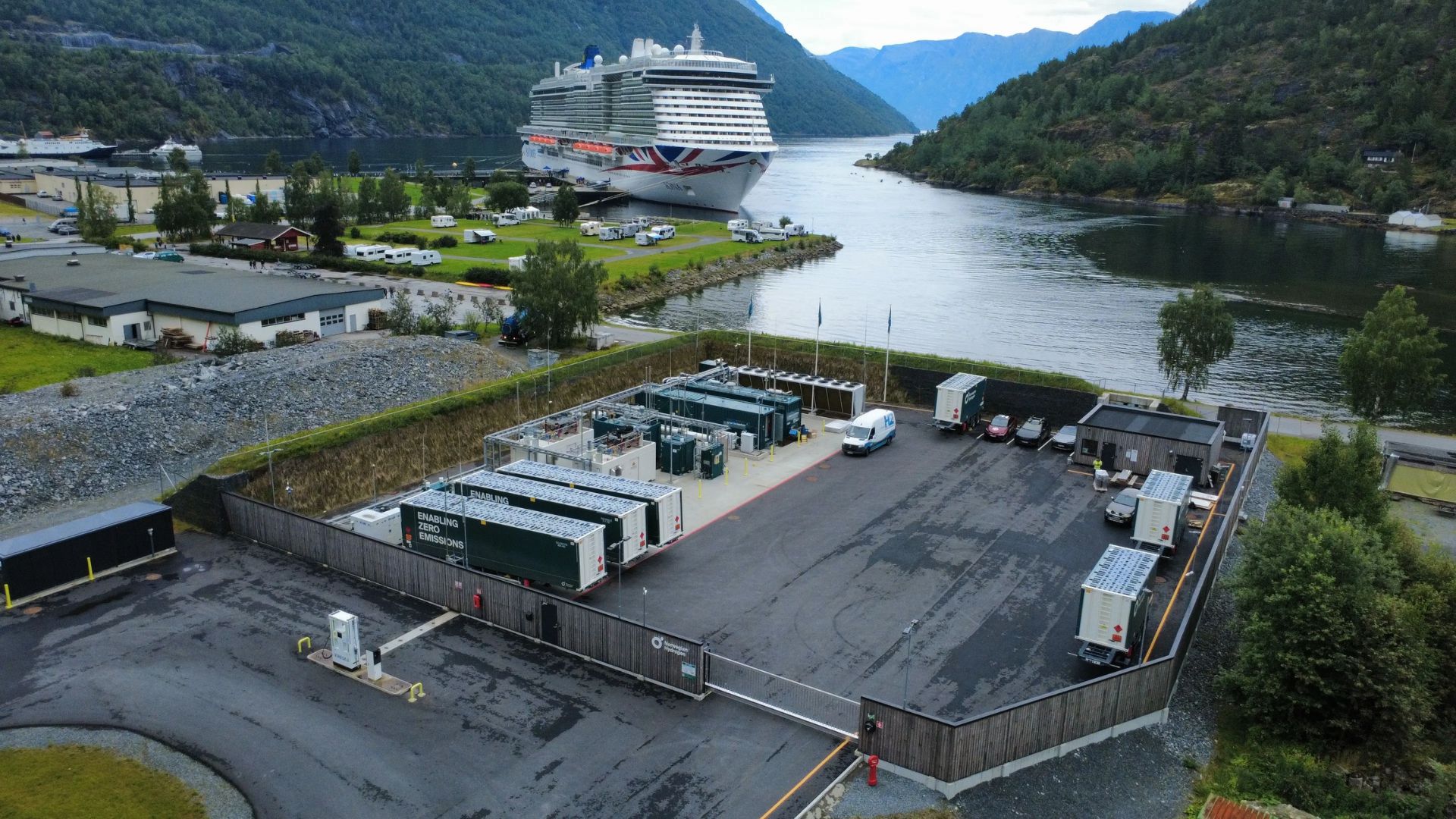
Have you ever thought about what it takes to turn a little demo project into a certified fuel across the EU? Well, that’s exactly what’s happening in Hellesylt, a tiny village nestled by the breathtaking Geirangerfjord, which is recognized as a UNESCO World Heritage site. The Hellesylt Hydrogen Hub is making a splash beyond Norway’s western coast, especially now that it’s snagged RFNBO certification under the EU’s Renewable Fuels of Non-Biological Origin rules. And this certification? It's way more than just a piece of paper—it’s essentially a VIP pass for green hydrogen production to dive into regulated markets and get the backing it needs.
Over the past few years, Norwegian Hydrogen has been rolling out hydrogen demos and refueling projects all across the Nordics. But here’s the thing: transforming a production facility into something that qualifies for subsidies and off-take contracts requires more than just having electrolysers and compressors around. It’s all about having solid documentation, real-time power meters, and making sure third-party audits are on point. Thanks to approval from ISCC, the hydrogen produced at this site now ticks all the right boxes to be EU-compliant.
A Hub in the Fjords
This Hellesylt site taps into the region's abundant hydropower resources, which have been a part of local life for ages. The surplus electricity from the local turbines isn’t wasted; it powers an electrolyser that splits water into hydrogen and oxygen. The result? Hydrogen that gets compressed and stored right on-site, ready for transport via tanker trucks or to power hydrogen refueling stations in nearby towns. It’s a perfect example of how hydrogen infrastructure can seamlessly connect clean energy with mobility—think fuel cell buses and heavy-duty trucks coming together.
By setting up shop in a UNESCO World Heritage area, Norwegian Hydrogen is painting a picture of a future where zero-emission tech harmonizes with high-end tourism. Just imagine it: hydrogen-powered boats and quiet sightseeing buses gliding over the fjord, replacing the usual noise and fumes with clean, engineered alternatives.
Behind the Scenes of RFNBO Certification
Now, RFNBO certification follows very specific EU guidelines laid out in the Renewable Energy Directive. Developers need to show something called electrical additionality—basically, that's new renewable energy capacity built to supply their electrolysers—plus they have to keep geographical and temporal things in check between green power production and hydrogen output. Organizations like ISCC conduct audits, checking everything from meter readings to lifecycle emissions to ensure every kilo of hydrogen meets the required greenhouse gas limits.
In real terms, that meant Norwegian Hydrogen had to connect live data feeds from hydropower plants, create a chain-of-custody ledger, and provide proof of emission reductions. These steps can be the make-or-break part of earning certification, often more so than the technical parts like making high-voltage connections or stacking electrolyser modules.
Why It Matters for Green Hydrogen Production
Trying to buy green hydrogen without proper certification? It’s like buying gold bars without any kind of assay marks—you might think you’re getting a great deal, but you really have no idea if it’s legit. When it comes to decarbonizing industries or hydrogen fuel cell applications, sticking to EU compliance isn’t optional. Companies looking to boast emissions reductions or score clean hydrogen offtake deals will only consider certified supplies.
This demand creates a brand-new kind of competitive edge. Projects that can clear the certification hurdle can market their hydrogen as ready for regulations, while those that don’t risk being left behind. Given that hydrogen storage and transport costs can be pretty steep, having that RFNBO stamp could make all the difference in securing multi-year supply contracts.
From hydrogen cars to high-temperature processes in steel plants, certified hydrogen is at the heart of all sorts of decarbonization initiatives. Whether it's powering backup systems in green data centers or blending hydrogen into existing gas networks, the reliability of the supply comes down to the standards that RFNBO rules have set in place.
From Pilot-E to Commercial Scale
Back in 2019, Hellesylt got help through Norway’s Pilot-E initiative, which funds early-stage hydrogen projects. That support eased some of the risks tied to the initial engineering phase, but the big challenge has always been getting from research to commercial operations. Now that RFNBO certification is in the bag, it proves that a public-funded demo can make the leap to a fully bankable, regulation-compliant project.
This transition reflects a bigger trend: governments kickstart innovations, but private investors want to see clear rules before they'll throw in their money. Having certification frameworks like RFNBO clarifies what “green” truly means, bridging the gap between pilot projects and mature markets.
Electrolysis as Grid Balancer
On top of producing clean fuel, that electrolyser is a real game-changer for stabilizing the local grid because it acts as a flexible load. When there's a spike in hydropower output, the system ramps up hydrogen production, which prevents any renewable electricity from going to waste. So, the Hellesylt Hydrogen Hub essentially functions as a mini power plant, integrating hydrogen production with electricity grid management.
Business and Policy Drivers
Europe’s renewed interest in renewable fuels of non-biological origin has reshaped policy and investment priorities. The latest Renewable Energy Directive makes it clear that only certified hydrogen can count toward national decarbonization goals or snag support under grant programs. This framework has investors eagerly eyeing projects that can lock down compliance sooner rather than later.
For Norwegian Hydrogen, the certification acts as a solid stamp of bankability. Green bond issuances, raising equity, and lender due diligence all depend on regulatory certainty. An RFNBO certificate isn’t just a nice-to-have; it’s a real risk-mitigation tool, signaling that the project's revenue is tied to a recognized standard instead of shifting marketing claims.
Looking Ahead
With Hellesylt now certified, all eyes are on scaling up. Norwegian Hydrogen has a whole pipeline of production and refueling sites looking to secure similar approvals, potentially creating a cluster of regulation-ready hubs across the Nordics. Following the Hellesylt model seems key to the company’s growth plans.
On a grander scale, the hydrogen market is stepping into an age where the paperwork is just as critical as the actual capacity of electrolyser output. Certification could act as both a bottleneck for projects that aren’t well thought out and the very lever that opens doors to grants, offtake agreements, and export possibilities.
As more projects crop up—whether in sunny Spain or windy Germany—they'll be keeping a close eye on Hellesylt’s journey. We might just witness a rush towards RFNBO certification. That momentum could pave the way for new methods to track hydrogen and further integrate renewable energy certificates into mainstream markets.
So, if you're keeping an eye on the hydrogen boom, keep this in mind: tech builds capacity, but sound documentation opens doors. By blending surplus hydropower, electrolysis tech, and solid certification, Norwegian Hydrogen has given its Hellesylt hub the passport it needs to navigate the clean-energy landscape across Europe.