Clean Hydrogen News: Nuvora Energy Advances 300 MWth HTGR Pre-Feasibility for Hydrogen Production Methods
Nuvora Energy finished a pre-feasibility review for a 300 MWth HTGR with integrated hydrogen production, clearing early technical and regulatory hurdles and paving the way for detailed feasibility.
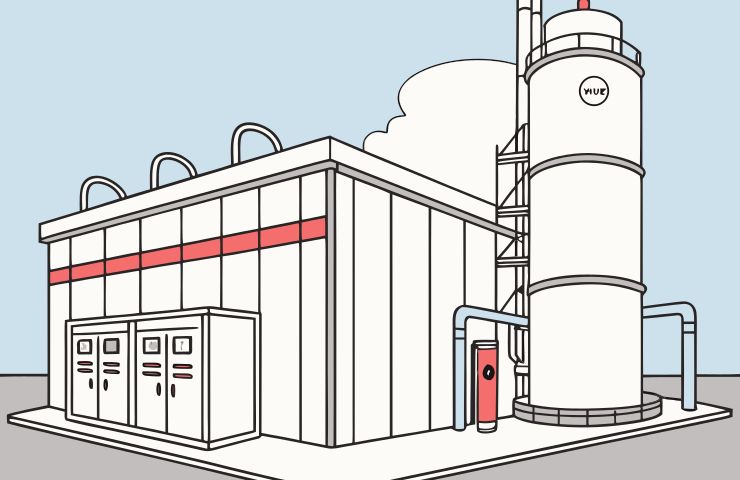
In an exciting step towards boosting interest in hydrogen production methods, Nuvora Energy, Inc. has just wrapped up a pre-feasibility study for a 300 MWth prismatic high-temperature gas-cooled reactor (HTGR) that could work hand in hand with a solid oxide electrolysis cell (SOEC) hydrogen island. This study even got a thumbs up from DBD International, which found that there were no immediate technical or regulatory roadblocks. Now, while we’re not quite at the stage of securing financing or kicking off construction just yet, this marks a solid milestone toward creating a modular, integrated platform that can deliver reliable electricity and low-carbon hydrogen.
Strategic Implications for Industrial Decarbonization
So, what’s the big deal with combining high-temperature reactor heat and electrolysis on-site? Well, it’s all about cutting down the electrical demands of hydrogen production. An HTGR that runs above 750 °C can feed thermal energy to SOEC units, which can trim electricity consumption by as much as 30% compared to the old-school methods. This is a game changer for industries like ammonia synthesis, refinery desulfurization, and steelmaking where emissions fuel and hydrogen feedstock are major contributors to pollution. With this method, we could unlock a reliable, cost-effective hydrogen supply that could really help these sectors. Plus, in areas where renewable energy is spotty and the grid is overloaded, this nuclear-hydrogen cogeneration facility could offer dispatchable power, making our energy systems more resilient. As regions grapple with zero-emission hydrogen targets, this integrated approach might just be the ticket to aligning with those clean hydrogen incentives.
Technical Snapshot
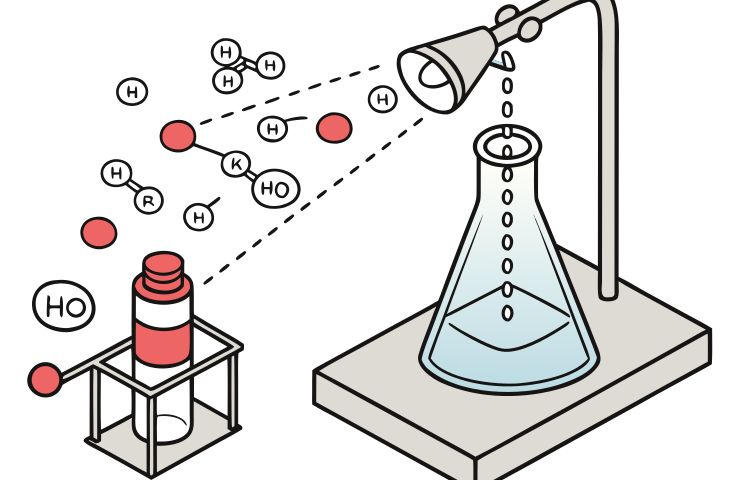
The proposed HTGR sports a prismatic core that uses helium coolant and ceramic fuel, relying on TRISO fuel particles for resilience at high temperatures. Here’s the scoop: heat extracted through an intermediate exchanger feeds into both a power generation loop and a hydrogen production setup. On the hydrogen side, SOEC stacks work by mixing thermal and electrical energy—water vapor enters at high temperatures, splits into hydrogen and oxygen in the electrochemical cells, and then we get high-purity hydrogen ready for pipeline injection or ammonia synthesis. The design capacity is around 300 MW thermal, which is about 100 MWe if all energy is diverted, plus we’re looking at potential hydrogen production at tens of tonnes per day, but we’ll need a full feasibility study to pin that down.
Regulatory and Safety Considerations
Now, when you think about integrating a hydrogen plant in a nuclear setup, that brings a unique set of licensing challenges. Regulators will have to look closely at how well these high-temperature systems mesh with nuclear safety protocols, and that means we need strong barriers, good ventilation, and solid safety instrumentation. The fact that the pre-feasibility review didn’t flag any crucial fatal flaws is promising, but it’s just the starting line; rigorous scrutiny of site specifics, accident potential, and emergency planning is still on the horizon. In California, where regulations are stringent, state approvals will depend heavily on demonstrating how they handle safety features, hydrogen leak detection, and compliance with both nuclear and process-hazard standards. To get that combined license, we’re likely looking at staged reviews and pilot tests to validate how well everything works together.
Environmental and Acceptance Factors
While a nuclear-hydrogen plant can boast zero operational CO₂ emissions, we can't lose sight of the lifecycle impacts. Things like uranium mining, fuel production, and waste disposal contribute to the overall environmental footprint, which needs careful consideration when compared to fossil fuels and green hydrogen paths. Water usage for reactor cooling and electrolysis is another factor, especially in areas where every drop counts. Gaining public support will hinge on clear waste management strategies, proactive community outreach, and transparent communication about risks tied to high-temperature operations. Any successful project not only needs to show it’s technically sound but also needs thorough environmental reviews, good decommissioning plans, and alignment with local land use regulations to win over the social license to operate.
Economic Outlook
At this point, we’re still in the early stages, so cost estimates for this integrated plant are pretty high-level. Historical data suggests that hydrogen produced via HTGR could compete with grey hydrogen priced above $2.00 per kilogram if we can lower capital costs through more modular building methods. Electrolyser stacks do represent a big share of the startup costs, but that nifty reactor heat could lower the levelized cost of hydrogen by around 10-20% compared to traditional electrolysis. Funding for advanced reactor projects often requires backing from government loan programs, partnerships that share risks, or long-term offtake agreements. As we move towards detailed engineering, we’ll get a clearer picture of capital needs, construction timelines, and potential ROI for investors and industry partners.
Key Takeaways
Parallel Developments
Across the globe, high-temperature reactor projects are garnering renewed interest. The U.S. Department of Energy and initiatives like Generation IV have long flagged Very High Temperature Reactors (VHTR) as beneficial for hydrogen cogeneration. Japan’s GTHTR300C and various pilot projects in Europe are working in parallel, although none have crossed the finish line for final investment just yet. Meanwhile, projects that blend renewable energy with electrolysis continue to make strides, leading to a competitive atmosphere. As carbon pricing and hydrogen-related regulations evolve, the balance between nuclear-assisted methods and green hydrogen from wind and solar will come down to project timing, capital outlay, and the complexities of regulations.
Expert Viewpoint and Next Steps
Experts point out that while passing the pre-feasibility hurdle is crucial, it’s just the beginning of a longer road. One industry analyst summed it up saying, “early technical validation is a great sign, but real bankability depends on proving a clear cost edge and a risk-eased licensing pathway.” Nuvora Energy plans to dive into the detailed feasibility phase, focusing on site-specific studies, partnering with stakeholders, and some pilot-scale testing. Locking in strategic partnerships and long-term offtake agreements will be vital to mitigate financing risks and speed up the journey from design to reality.
Looking ahead, this project showcases how modular nuclear systems could integrate with the growing hydrogen infrastructure, inching us closer to decarbonization goals. But bringing this vision to life will require continued policy support, rigorous safety assessments, and breakthroughs in costs.