Clean Hydrogen News: Singapore Powers Forward with 670 MW Hydrogen-Ready CCGT at Tuas
Singapore’s EMA has awarded Tuas Power a 670 MW hydrogen-ready CCGT at Tuas Power Station, capable of co-firing 30% hydrogen and targeting commercial operation by late 2031, marking a key step in the city-state’s clean hydrogen infrastructure.
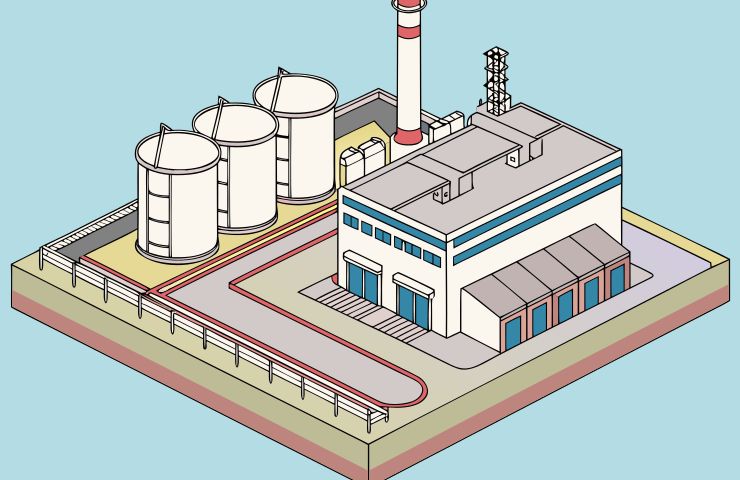
Have you ever imagined a world where electricity and hydrogen not only coexist but actually enhance each other? Well, hold onto your hats because Singapore’s energy grid is about to get a serious upgrade! Tuas Power is on track to launch a 670 MW hydrogen-ready Combined Cycle Gas Turbine (CCGT) at the Tuas Power Station, and this isn’t just any upgrade—it’s a huge leap forward for clean hydrogen infrastructure and a game changer in the world of hydrogen energy news.
Meeting the Power Crunch with a Twist
With Singapore’s peak energy demand skyrocketing—thanks mainly to booming data centers, semiconductor plants, and advanced manufacturing—the stakes are high. But here’s the kicker: land and fuel imports are tight, making reliability more crucial than ever. Plus, the city-state is fiercely committed to cutting carbon emissions under its carbon tax plan. So, how do you juggle economic growth and decarbonisation? That’s exactly what this new power plant aims to tackle!
The Technology: The Magic Ingredient
At the core of this initiative is a hydrogen-ready CCGT unit that currently burns natural gas while having the capability to integrate up to 30% hydrogen into its fuel mix. Basically, it’s a two-for-one deal: a gas turbine burns a blended fuel, and its hot exhaust generates even more energy through a Heat Recovery Steam Generator—pushing its combined-cycle efficiency over 60%. Big names like Siemens Energy and Mitsubishi Power have shown that using this blend can cut CO₂ emissions by about 6–10% at that 30% hydrogen level. Plus, advanced burners keep NOₓ in check and prevent dangerous flashbacks. The real cherry on top? The system can be retrofitted down the line for higher hydrogen proportions or even full hydrogen operation as supply chains catch up.
Why It Matters
Rolling Out at Tuas Power Station
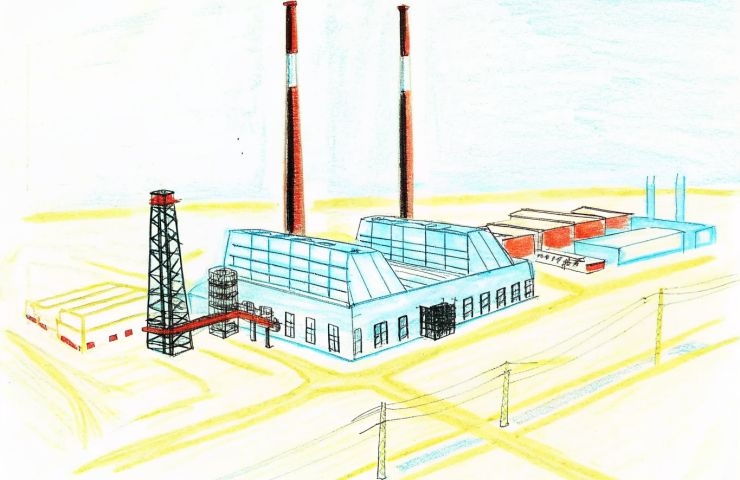
This new unit will fit right into the existing gas-fired setup in the Tuas industrial area, making the most of nearby LNG import terminals and multi-utilities infrastructure. With a whopping 2,670 MW already operational at the site, Tuas Power is all set to bring this expansion online without a hitch. To put it into perspective, the Energy Market Authority (EMA) estimates that the additional capacity could power around 1.2 million four-room HDB flats—pretty impressive, right?
Strategic Angle: Policy, Players, and Partnerships
This project stands as a big win under the Energy Market Authority’s Centralised Process for new generation capacity. After previous approvals for YTL PowerSeraya and PacificLight, EMA has made it clear that all new CCGTs must be at least 30% compatible with hydrogen and meet strict emissions intensity limits. What’s even better? Tuas Power is part of the China Huaneng Group, giving it access to solid engineering expertise. With the government's carbon tax set to rise to S$80/tCO₂ by 2030, the focus on clean hydrogen isn’t just a good idea—it’s a key part of future investment plans.
Beyond 30%: A Path to Deeper Decarbonisation
That initial 30% hydrogen blending is just the beginning. Studies suggest that because hydrogen has a lower volumetric energy density, the CO₂ cuts at this level are still modest. However, the design of this plant has the future in mind, ready to scale up to 100% hydrogen usage. The materials for burners, along with emissions control technologies, have already been pre-qualified. As green and low-carbon hydrogen supply grows, this unit could evolve from merely burning gas to becoming a powerhouse for net-zero operations.
Disrupting the Energy Ecosystem
So, what happens when Singapore commits to hydrogen-ready power in a big way? It sends a strong signal to original equipment manufacturers (OEMs), investors, and regional hydrogen suppliers that clean energy is the future. By planning multiple hydrogen-capable CCGTs from 2027 to 2032, EMA is sparking innovation in turbine design, emissions control, and even battery storage integration. This could usher in a wave of private investments focused on hydrogen production methods, storage solutions, and logistics, further positioning Singapore as a potential hydrogen hub for all of Asia.
A Glimpse Ahead
This new power plant isn’t just another facility—it’s a cornerstone for Singapore’s clean energy future. It highlights how smart regulations and solid hydrogen project financing, paired with strategic partnerships, can really shake up the way we think about power generation. As the hydrogen supply chain gets its footing, Tuas Power’s 670 MW CCGT will transition from natural gas today to an efficient hydrogen blend tomorrow, and eventually to pure hydrogen. So buckle up—this could be the model everyone has been waiting for!