Clean Hydrogen Offtake Agreement Powers e-Methane Supply from Finland to Germany
P2X Solutions has signed a long-term clean hydrogen offtake agreement to supply synthetic methane from its Harjavalta plant to avanca Energy and Alternoil’s REEFUEL network for heavy-duty transport starting in Q4 2026.
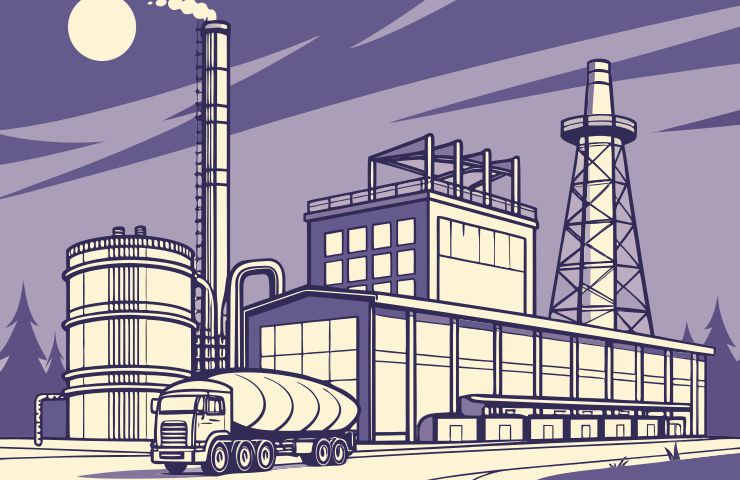
P2X Solutions Oy, based in Finland, is partnering up with avanca Energy AG and Alternoil GmbH to bring synthetic methane into Europe’s heavy-duty transport scene. Just recently, this trio announced a long-term deal for e-methane produced at P2X Solutions’ Harjavalta plant to be integrated into the REEFUEL network in Germany. This collaboration is set to kick things off for sustainable trucking by Q4 2026.
Bringing e-Methane to the Road
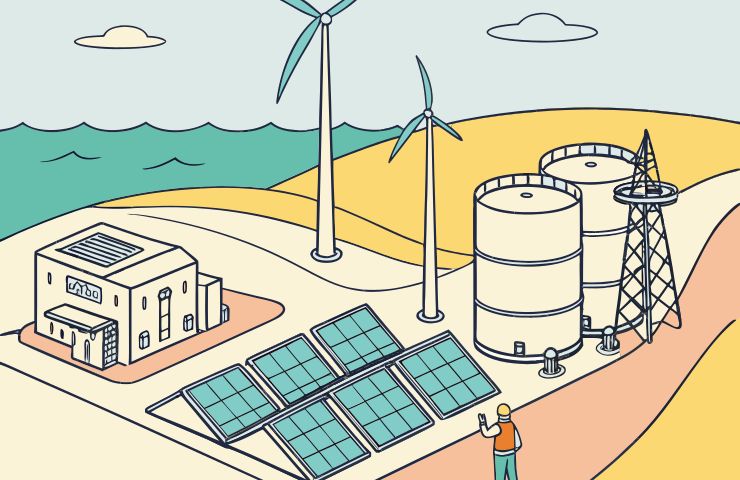
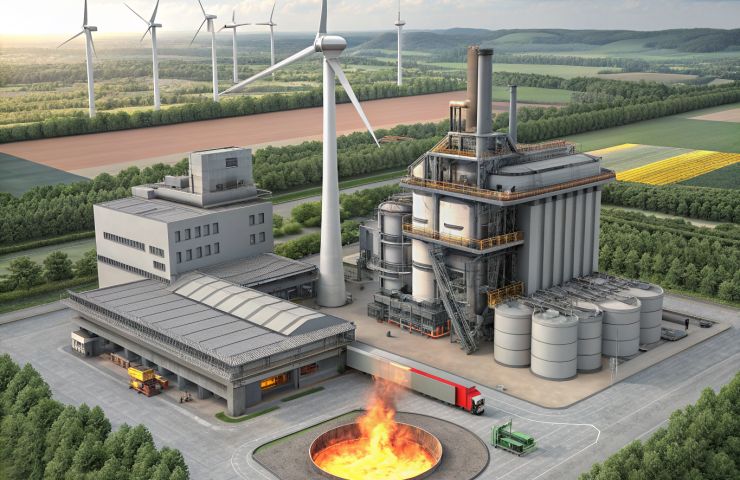
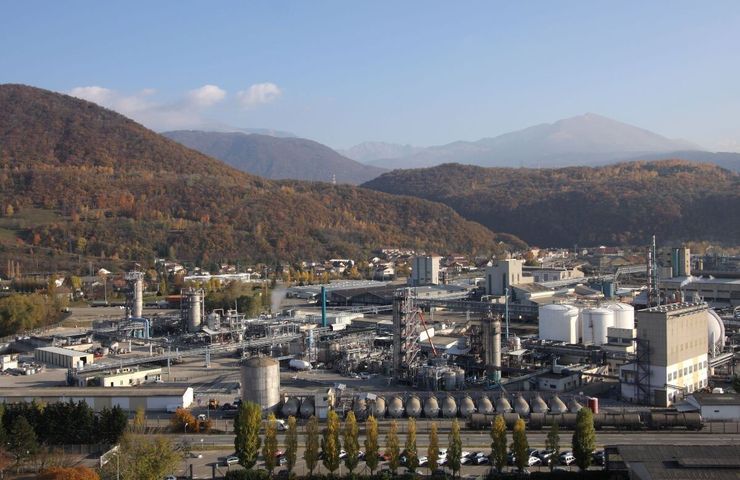
This partnership is a game-changer, marking one of the first commercial offtake agreements that connects an operational power-to-X facility to an established renewable LNG distribution network. P2X Solutions is running Finland’s first industrial-scale renewable hydrogen and synthetic methane production plant in Harjavalta, which boasts 20 MW of electrolysis capacity powered by renewable energy. What happens next is pretty neat: the green hydrogen undergoes a methanation process to turn into e-methane, which gets liquefied into e-LNG and can then be used as transport fuel.
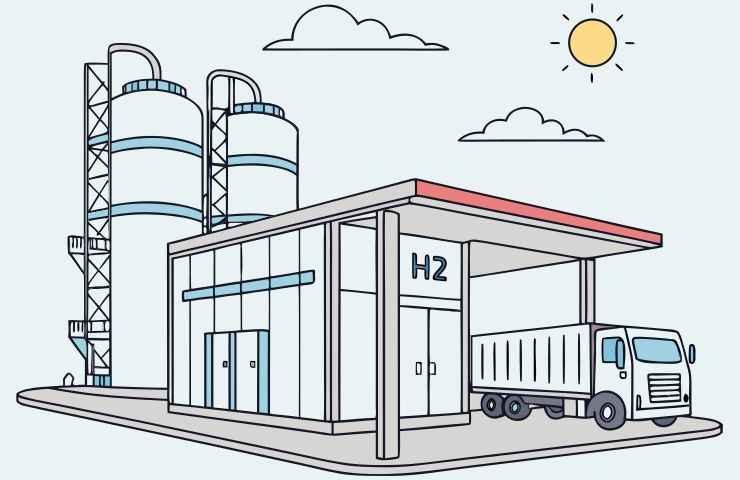
On the other hand, avanca Energy, along with its downstream partner Alternoil, will take care of aggregating, commercializing, and distributing this fuel through Alternoil’s REEFUEL station network. Thanks to this setup, heavy-duty fleets will finally have access to the first commercial e-LNG without the hassle of revamping their vehicle platforms or supply chains. It’s a win-win!
Secret Sauce: Green Hydrogen Meets Methanation
So, what’s the trick behind this deal? It’s a two-step power-to-X recipe! First, an electrolyzer works its magic, splitting water into hydrogen and oxygen with some renewable electricity. Then, that green hydrogen enters a methanation reactor where it reacts with captured carbon dioxide in a controlled environment, producing methane and water vapor. Think of the methanation process as a culinary genius, transforming intermittent renewables and CO₂ into a gas fuel that can be stored, shipped, and used through standard LNG systems.
This method has some serious advantages. Since the chemistry and equipment are already well-established, we can skip the costly need for new transport infrastructure. Plus, it tackles the storage challenge—while hydrogen is a lightweight gas, methane can be liquefied and easily fits into existing terminals, transport vessels, and fueling stations.
Built for the Future: A Decade-Long Commitment
The agreement is set to span ten years, securing the plant’s current e-methane output for the foreseeable future. This long-term view not only provides revenue visibility for P2X Solutions, helping to de-risk future investments, but it’s also a dependable supply of certified renewable methane for avanca/Alternoil. This means they can offer fleets a reliable pathway to decarbonization.
Long-term offtake contracts are essential for financing new clean-energy projects, and this deal could pave the way for investment in P2X Solutions’ future endeavors. Plus, it may create skilled jobs in Harjavalta, strengthening industrial ties throughout the value chain—from plant operations right down to fueling station maintenance. It’s kind of a big deal!
Linking supply and demand across borders is crucial for projects of this scale. With a Finnish production asset paired with a German fueling network, this deal is setting up a pan-European value chain that might just serve as a model for other power-to-X initiatives. It’s one thing to build a plant; making sure its output consistently reaches paying customers is the real challenge.
Why It Matters: Decarbonizing Heavy Transport
When it comes to decarbonizing heavy-duty and long-haul trucks, we’re tackling one of the biggest challenges in transport. Batteries can be heavy and limit range, while biofuels often struggle with feedstock availability. That’s where synthetic methane shines. It offers energy density comparable to LNG and capitalizes on technology that’s already well-established. For fleets needing reliable performance and quick refueling options, e-LNG might just be the answer.
From a policy perspective, this agreement aligns perfectly with EU regulations that aim to expand alternative fuel infrastructure and support renewable gases under the RFNBO framework. It’s also a great demonstration of how rules regarding hydrogen and renewable gas certification can create market demand, encouraging more power-to-X plants to move from pilot phases to full-scale operations. This cross-border collaboration illustrates how renewable energy can flow smoothly from production centers to those high-demand transport corridors.
Challenges and the Road Ahead
No clean-fuel technology comes without its hurdles. The climate benefits of e-methane really depend on factors like the carbon intensity of the electricity used,^ the sustainability of the CO₂ source, and how well we manage methane leakage throughout production, liquefaction, and usage. Even a tiny bit of unburned methane during fueling or combustion can really undermine those environmental gains.
Additionally, market dynamics like fluctuations in electricity prices and CO₂ availability will put the economic viability of this venture to the test. Partners will need to juggle these variables with flexible operations and strategic sourcing agreements, all while keeping transparency and independent certification in mind to build trust with fleets and regulators.
When it comes to cost, synthetic methane is currently pricier than fossil LNG. But by pooling demand with a multi-year contract and utilizing existing infrastructure, this collaboration can help spread the risk and reduce the price gap. We could also see further cost drops with advancements in electrolysis and methanation technologies, as well as decreases in renewable power prices across Europe.
Bottom Line
This long-term offtake agreement is shaking things up by connecting a ready-to-go Finnish plant with a tried-and-true German fueling network. It’s a real-life test case for clean hydrogen offtake agreements and the commercialization of power-to-X. Success here could spark similar deals, pushing down costs, expanding clean-fuel logistics, and speeding up the decarbonization of transport. In short, this collaboration is a big step towards a cleaner energy future powered by renewable molecules and cross-border partnerships.