Cochin International Airport advances green hydrogen production with on-site plant and hydrogen fuel cell buses
Cochin International Airport Ltd has launched a 1,000 kW pilot green hydrogen plant and signed on for three hydrogen fuel cell buses, marking India’s first airport-based hydrogen bus fleet.
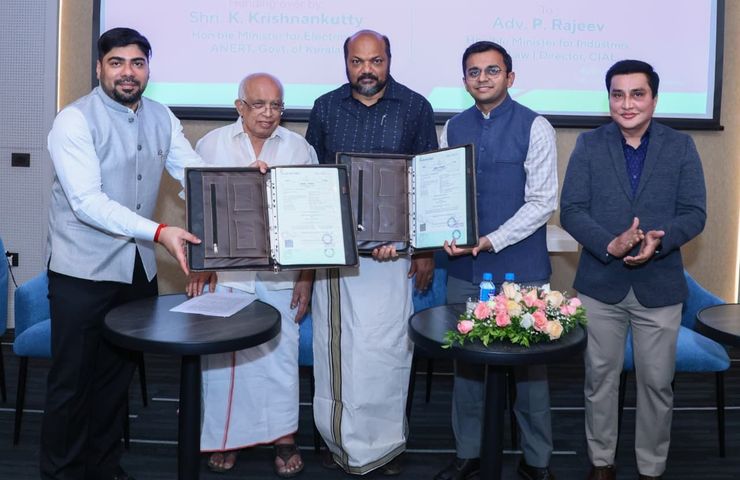
Cochin International Airport Ltd has launched a pilot project, rolling out a 1,000 kW green hydrogen production plant at its location near Kochi, Kerala, in partnership with Bharat Petroleum Corporation Ltd. Alongside this, the airport has signed on with the Kerala Hydrogen Valley Innovation Cluster Foundation to fund the procurement of three hydrogen fuel cell electric buses. This makes them the first airport in India to introduce hydrogen-powered vehicles for passenger transport.
On-site production
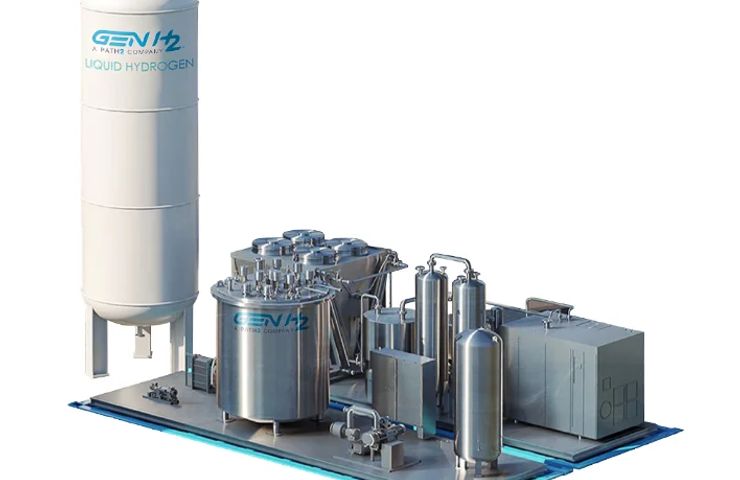
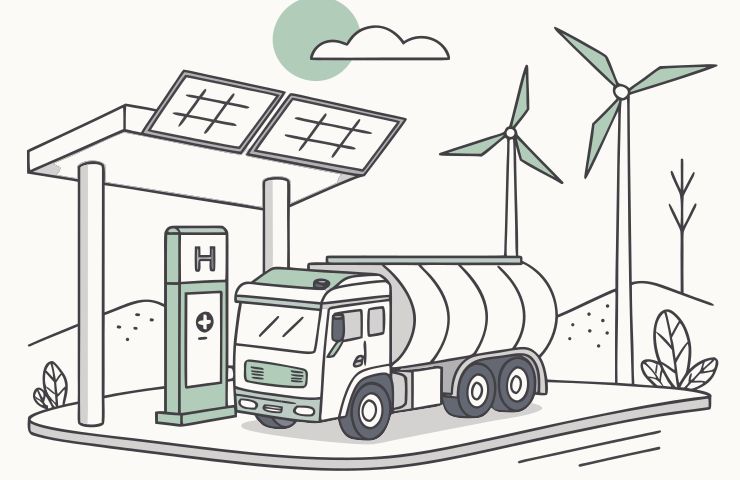
The new electrolyser facility is making use of renewable energy from the airport’s solar panels and small hydro systems to split water into hydrogen and oxygen. With a capacity of 1 MW, it’s set to produce about 80 kg of green hydrogen daily, according to local reports. This compressed hydrogen will be stored in high-pressure tanks and dispensed through fueling stations that BPCL operates, all while strictly adhering to safety protocols.
Hydrogen fuel cell buses
Under this funding model, the Kerala Hydrogen Valley Innovation Cluster Foundation will chip in up to ₹2.90 crore for each bus, amounting to a total of ₹8.7 crore for all three. Once they're up and running, these buses will transport passengers between terminals and aircraft stands. They use onboard fuel cells powered by hydrogen, emitting only water vapor as waste. This technology requires quick refueling and offers long operating hours, providing an edge over battery electric options for the busy services at the airport.
National and regional alignment
This initiative is in sync with India’s National Green Hydrogen Mission, which aims to ramp up domestic green hydrogen production and develop the necessary hydrogen infrastructure for transportation and industry. At the state level, Kerala is working on a draft Green Hydrogen Policy that promotes pilot projects focusing on hydrogen mobility and refueling stations at major transport hubs. By establishing an integrated production and fueling framework at an international airport, stakeholders hope to gather valuable operational data that can shape standards, safety regulations, and future expansions in the region.
Building supply chains and skills
Aside from the environmental perks, the airport’s green hydrogen and bus initiative is also set to spark local supply chains for fuel cells, electrolysers, and high-pressure storage tanks. Manufacturers, vehicle OEMs, service providers, and maintenance teams will need to enhance their skills, and CIAL along with BPCL plans to share their insights through collaborative training programs. This initiative could open up skilled job opportunities in Kochi and solidify Kerala's status as a hydrogen valley demonstration hub.
Decarbonizing ground operations
Having already gained international fame as the first fully solar-powered airport, CIAL noted that ground transport remained a significant source of emissions. Diesel buses and other support vehicles contribute to local air pollution and carbon emissions, a challenge faced by numerous big airports. By adding hydrogen buses to the mix, they’re working to tackle this issue directly, showcasing zero-emission technology right in front of passengers and boosting air quality in the surrounding community.
Financing and economics
The project costs reflect the current premium associated with hydrogen fuel. With a cap at ₹2.90 crore per bus, the initial costs are higher than those for diesel buses. However, studies in densely populated areas indicate that long-term savings on fuel and overall maintenance might help bridge the total cost of ownership gap. With the target price of green hydrogen production expected to reach US$2 per kilogram by 2030, airport operators believe hydrogen could soon be a more financially viable option for high-frequency shuttle services.
Safety and standards
Storing and compressing hydrogen at high pressures necessitates strict safety measures. The project is designed to comply with national guidelines regarding hydrogen storage vessels, leak detection, ventilation, and fire suppression. BPCL’s involvement ensures that fueling units adhere to set metering and interlocking protocols. CIAL also has a testing regime in place, conducting thorough checks before any passenger operations begin to ensure safe and scalable hydrogen refueling processes.
Technology demonstration
As a demonstration of technology, both the plant and the buses will provide crucial data on electrolyser efficiency under local weather conditions and the durability of fuel cells in real-world, stop-and-go scenarios. These insights will be vital for investors and policymakers trying to grasp the readiness of fuel cell technology and the associated infrastructure needs, particularly as we consider expanding to heavier vehicles like trucks and marine vessels at Kerala’s ports.
Looking ahead
In practical terms, CIAL plans to test these buses thoroughly before they go into commercial service, ensuring reliability during thousands of kilometers of daily operation. At the same time, the hydrogen plant is just a pilot for now: as places like Kerala develop their hydrogen corridors to link ports and public transport, we’ll need to increase production capacity and refueling options. If all goes well, airports could evolve into key local production and refueling hubs, bridging the gap in integrated decarbonization efforts for aviation, shipping, and transport.
On a policy level, data from Kochi's pilot initiative might help shape central and state incentives around hydrogen production methods, electrolyser standards, refueling station licenses, and the procurement of zero-emission vehicles. As countries strive to hit net-zero targets, the push for local hydrogen infrastructure grows increasingly important, with airports like CIAL taking the lead in decarbonizing every link in the travel chain.
All in all, Cochin International Airport Ltd's dive into clean hydrogen builds on its renewable energy foundation and public-private partnerships, paving the way for zero-emission ground transport. The takeaways from this project could influence various industries and regions, reshaping the economics and engineering of the burgeoning hydrogen economy.