Elestor Switches to Hydrogen-Iron Flow Batteries for Safer, Scalable Energy Storage
Dutch company Elestor has officially transitioned from hydrogen-bromine to hydrogen-iron flow batteries, improving safety, regulatory compliance, and supply chain stability for grid-scale energy storage.
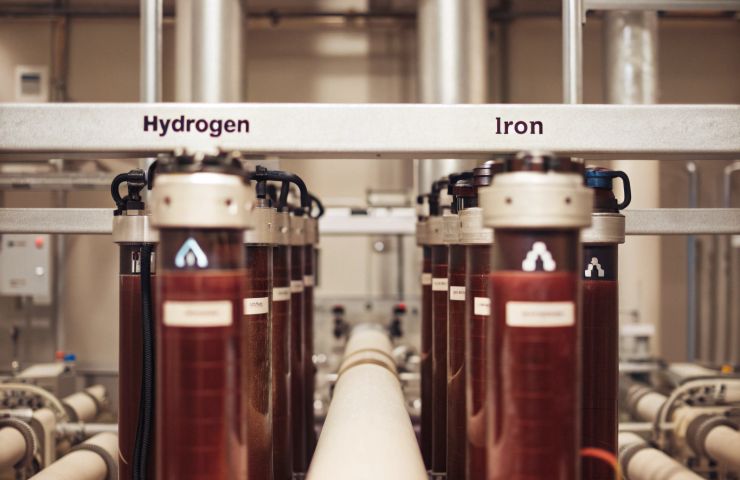
Dutch energy storage company Elestor just made a bold move—it’s officially swapping out its original hydrogen-bromine battery setup for a more sustainable hydrogen-iron flow battery system. Announced on May 7, 2025, the transition marks a major shift as the whole energy world grapples with stricter safety rules, more focus on sustainability, and growing geopolitical risks tied to long-duration hydrogen storage.
Why Elestor Switched Things Up
This isn’t just a chemistry tweak—it’s a strategic overhaul. Based in Arnhem, Netherlands, Elestor has spent more than a decade working on hydrogen-driven flow batteries. The company originally relied on bromine in its system, but concerns kept piling up. Bromine’s hard to handle, highly corrosive, toxic, and—maybe worst of all—hard to source reliably. So Elestor made the call to replace it with iron.
And it’s easy to see why. Iron is safe, abundant, and sourced from a broad range of countries, which avoids the nerve-wracking supply chains tied to specialized chemicals. It’s also far easier to get through tough EU regulations, especially under the recently introduced EU Regulation 2023/1542—a clear win for anyone trying to scale up sustainable energy solutions across the continent.
The New Tech in Plain English
So how does this new hydrogen-iron flow battery actually work? In simple terms, it's a clean loop. During charging, water and iron work together, producing hydrogen gas and oxidizing the iron. Then, when you need power, the system reverses that process—hydrogen and iron team up to churn out electricity. Nothing explosive, nothing toxic. Just a well-controlled reaction.
Because the system runs on low-pressure hydrogen and stays anchored in place, the usual safety scares linked with hydrogen (think: explosions) are pretty much a non-issue. Plus, iron doesn’t break down in nasty ways or give off harmful fumes. All this makes Elestor’s decision not only smart—it feels almost inevitable.
CEO Shares What's Driving the Change
Hylke van Bennekom, the company’s CEO, summed up the switch with practical insight: “Handling bromine was increasingly risky, and relying on countries with fragile supply chains just wasn’t a bet we could keep making.” Over the last year, he’s worked closely with both commercial clients and European research groups to pivot the company’s R&D focus.
Turns out, Elestor’s not alone. Across Europe, the push for chemical safety and supply chain resilience has picked up serious steam—especially as the world watches global politics get increasingly complicated.
Where Flow Batteries Fit Into the Picture
Flow batteries have held promise for years as a long-duration storage option that doesn't come with the cost and degradation issues found in lithium-ion systems. Vanadium and zinc models are still contenders, but Elestor’s take on a hydrogen-iron battery might hit that elusive sweet spot: scalable, affordable, safe, and friendly to policymakers.
Sure, the old bromine versions had a high energy density—something engineers loved. But after tightening EU rules and ongoing sourcing problems, sticking with bromine was a ticking clock. Iron checked all the boxes for a cleaner future: it’s everywhere, it’s cheap, and it just works, chemically speaking. No drama.
Why This Matters from a Regulatory Standpoint
For companies trying to expand into new markets without tripping over red tape, this move’s a game-changer. By eliminating bromine, Elestor unlocks a bunch of new advantages:
- Fewer headaches dealing with environmental regulations
- Smoother permitting under European law
- Safer operating conditions for employees and communities
- And a shot at cutting overall system costs
That last point might be the kicker. Lower cost and lower risk? That opens doors to placing these batteries right where people live and work—something that's been tricky with more volatile chemistries.
It’s Not All Sunshine—Yet
Now, let’s be real—this hydrogen-iron system isn’t totally free of challenges. The tech still leans on platinum-group catalysts, which are pricey and fall under the EU’s list of “critical raw materials.” Elestor’s not hiding that fact. Instead, they’re promising full transparency through digital “battery passports,” tracking the life cycle in line with the EU’s Green Deal and circular economy goals.
Even so, by ditching bromine and simplifying its materials list overall, the company’s made their batteries cleaner—and more aligned with the kind of tech governments actually want to back.
What’s Next? Keep an Eye on Arnhem
The first commercial rollout of this new zero-emission technology is set to kick off at Elestor’s main hub in Arnhem, a region already gaining a reputation as a hub for sustainable energy innovation. Pilot projects are coming soon, and all eyes will be on key performance metrics like cost per cycle, system durability, and real-world energy output.
But even without the full dataset, one takeaway’s already pretty obvious: Elestor’s chemistry revamp is part of a bigger industry pivot. Safer, simpler materials aren’t just “nice-to-haves” anymore—they’re becoming the baseline for any tech serious about supporting industrial decarbonization and grid-scale hydrogen storage.