EnergyPathways and Hycamite Collaborate on Methane-Splitting Hydrogen Production and Graphite Facility at Port of Barrow
EnergyPathways has teamed up with Hycamite to evaluate methane-splitting hydrogen and graphite production at Port of Barrow, as part of its MESH energy-storage hub. Targets: 20,000 t/yr H2, 60,000 t/yr graphite under study.
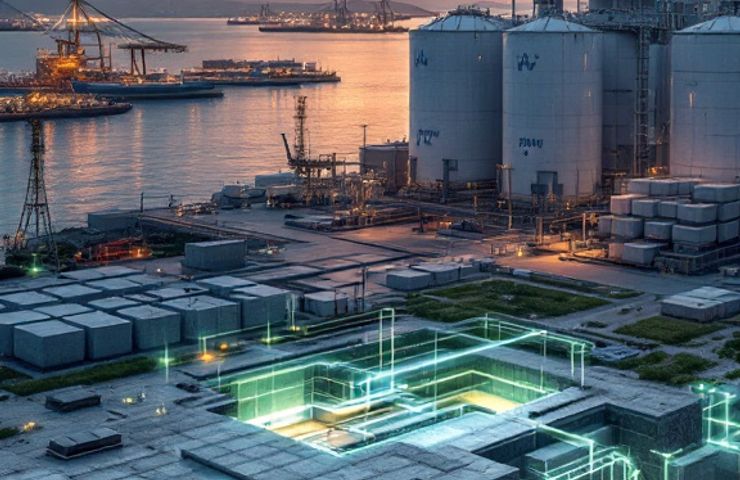
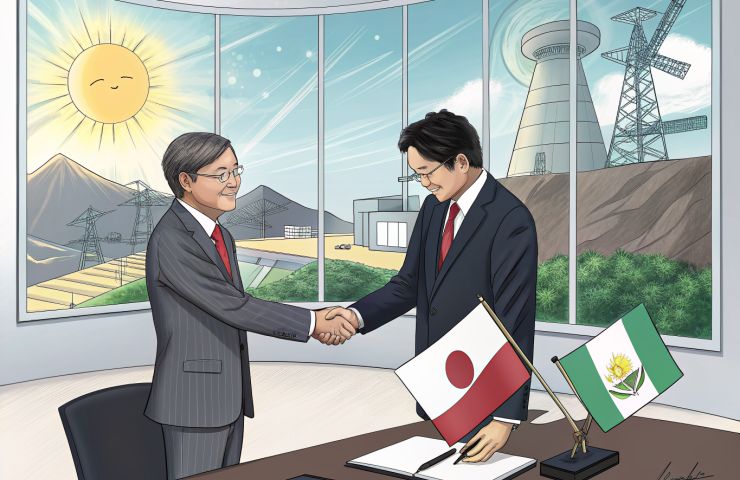
EnergyPathways plc has teamed up with Finland's Hycamite TCD Technologies to explore an innovative thermocatalytic methane-splitting technology for a proposed hydrogen production and graphite facility at Associated British Ports’ Port of Barrow. This effort aligns with the wider Marram Energy Storage Hub (MESH) initiative and signals exciting developments in the hydrogen production landscape.
The aim here is to develop an onshore facility that could potentially churn out up to 20,000 tonnes of hydrogen each year, along with around 60,000 tonnes of synthetic graphite. Remember, these are just early design aspirations, not finalized outputs. Since this is at the early evaluation stage, the agreement doesn’t signify a construction contract or a final decision on the tech to be used.
Understanding Thermocatalytic Methane Splitting
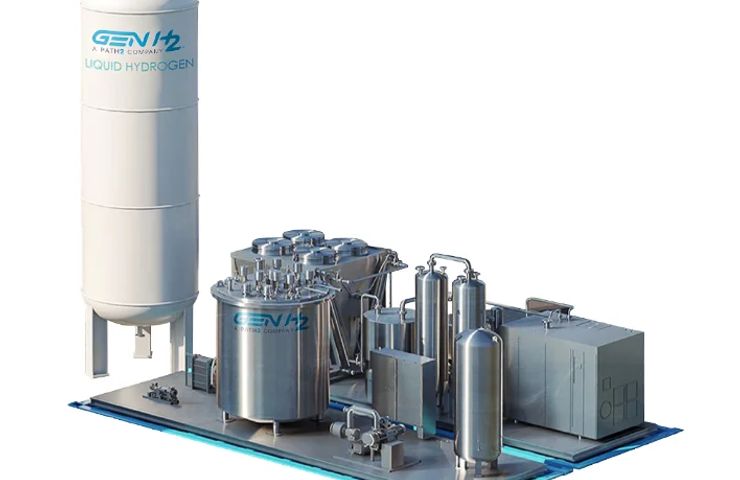
So, what’s the deal with Hycamite's process? Essentially, it utilizes heat and special recyclable catalysts to break down methane in an oxygen-free reactor. This method sidesteps the CO₂ emissions that usually come with traditional steam-methane reforming. In this setup, methane—be it natural gas or biomethane—gets heated up, causing those CH₄ molecules to split into hydrogen gas and solid carbon. The hydrogen is then separated, compressed, and stored, while the solid carbon is collected for further processing.
This approach stands apart from conventional blue hydrogen production, which typically relies on steam reforming followed by carbon capture. It also differs from what’s known as green hydrogen, which involves electrolysis of water. By simultaneously generating both hydrogen and a solid carbon byproduct, this technology brings a fresh perspective to the ongoing discussion around green hydrogen vs blue hydrogen.
Turning Solid Carbon into Graphite
The carbon created in Hycamite’s reactor isn’t uniform at first; it comes out in various particle sizes and forms. For it to hit the grades needed for batteries or industrial use, the carbon undergoes purification, heat treatment, and graphitization. Adjusting particle size, analyzing structural integrity, and testing electrochemical performance are all crucial steps to ensure that the synthetic graphite meets the standards required for high-value applications like anodes in batteries.
With the UK Battery Strategy driving demand for graphite, a consistent outlet for that 60,000 tonnes of annual graphite could really bolster the project's financial prospects, assuming market prices stay favorable.
Connecting to MESH and Local Implications
This proposed facility is a key piece of the MESH vision, which aims to establish a long-duration energy project with around 300 MW of compressed-air power capacity and 55 GWh of storage located in the East Irish Sea. By pairing hydrogen production and graphite processing with compressed-air storage, EnergyPathways is looking to create a multifunctional energy hub that can deliver electricity, gas, or hydrogen exactly when it's needed.
Barrow's industrial background—in shipbuilding, steelmaking, and dockyard expansion—aligns nicely with the project's technical goals. On top of that, the Port of Barrow’s quays, its rail connections to the national network, and easy access to the M6 via the A590 are major logistical perks. Working alongside Associated British Ports and engineering firm Jacobs, EnergyPathways has kicked off site discussions, preliminary designs, and groundwork for regulatory preparations.
Financial Outlook and Economic Factors
EnergyPathways sees potential annual revenues in the ballpark of £90 million to £120 million based on varying price scenarios for hydrogen and graphite. If all goes well, the expected EBITDA margins could land between 30% and 40%. Just a heads up, these projections are in the early stages and will largely depend on factors such as methane feedstock prices and operational efficiency.
Hycamite has an existing demo plant in Kokkola that processes about 2,000 tonnes of hydrogen and 6,000 tonnes of carbon each year. Scaling things up at Barrow will necessitate demonstrating that continuous operations can maintain consistent graphite quality while effectively integrating with port utilities. Securing binding off-take agreements for both hydrogen and graphite will also be vital to make financing work.
Policies and Market Trends
In some clean hydrogen news, the UK has rolled out its Low Carbon Hydrogen Standard, which requires lifecycle emissions to be below 20 g CO₂e per megajoule to be eligible for support. While methane-splitting methods can often achieve low direct emissions, various factors like methane leaks, energy sourcing, and carbon-product markets will ultimately dictate their impact on the climate. The compressed-air energy storage component of MESH is backed under an Ofgem cap-and-floor framework aimed at providing long-duration flexibility alongside other methods like pumped hydro and flow batteries.
Graphite is labeled as a critical raw material under both EU and UK policies due to concerns around supply chains. Establishing a domestic source for synthetic graphite could enhance resilience for battery and industrial sectors alike. Under the UK Clean Flexibility Roadmap and hydrogen allocation framework, projects that mesh storage with low-carbon hydrogen production and materials output showcase an integrated approach to energy security and decarbonization.
What Lies Ahead and Risks Involved
The collaboration will involve evaluating the technology, modeling lifecycle impacts, site analysis, and examining commercial viability. After this phase, the plan is to refine engineering designs, finalize environmental impact assessments, and secure planning permissions. However, don’t expect a final investment decision on the methane-splitting plant just yet—though MESH's compressed-air component aims for a decision later this decade.
There are certainly technical risks to address, such as catalyst wear and tear, energy efficiency challenges, and issues around graphite quality. The project's economic viability will also be sensitive to shifts in commodity prices, costs of financing, and market demand. Plus, engaging with the community about noise, marine traffic, and potential land use at Barrow-in-Furness will be crucial to address any local concerns.
Comparative Trends in Methane Pyrolysis
The field of hydrogen production methods is still very much evolving, and methane pyrolysis remains on the cutting edge. Researchers and companies are exploring various methods such as thermal cracking, plasma-based decomposition, and molten-metal baths, as well as catalytic options. What sets Hycamite apart is their focus on achieving lower operating temperatures and greater catalyst turnover than some high-energy plasma methods, which could reduce both electricity use and operational costs. However, proving energy efficiency and catalyst lifespan at larger scales will be a significant challenge. Other innovators from Europe and North America are making strides with pilot units, but continuous operation at larger scales remains untested. Success at the Port of Barrow could put this initiative among the leaders in scaling methane pyrolysis and set a precedent for future hydrogen infrastructure projects globally.
As EnergyPathways and Hycamite move from discussion to reality, everyone will be keeping a close eye on whether thermocatalytic methane splitting can really deliver low-carbon hydrogen, ensure a steady graphite supply, and pave the way for a new model that links energy storage with strategic material production.