EU Faces Crossroads on Hydrogen Policy: Renewables Advocates Push Back on 'Tech-Neutral' Path
The Renewable Hydrogen Coalition urges the EU to prioritize green hydrogen over a technology-neutral approach, warning of risks to climate goals and energy sovereignty. The policy fight could decide the future of Europe’s decarbonization strategy.
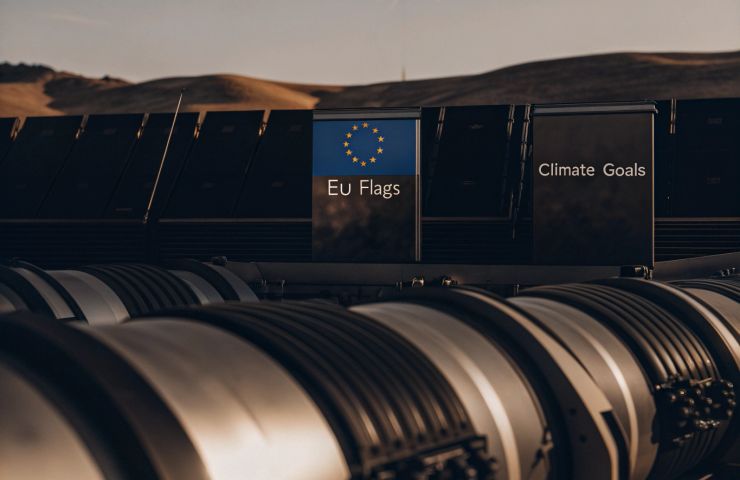
Green hydrogen is back in the spotlight in Brussels—and it's stirring up some serious debate. The Renewable Hydrogen Coalition (RHC) is raising red flags, warning that the EU’s so-called “technology-neutral” approach to hydrogen could steer Europe off course when it comes to climate goals, industrial decarbonization, and energy security.
What’s the Big Deal?
At the heart of the debate is a simple question: Should all types of low-carbon hydrogen—like blue hydrogen, which is made from natural gas with carbon captured—be treated the same as green hydrogen, which is produced from 100% renewable power through electrolysis? The European Commission seems to be walking a tightrope. New initiatives like the Hydrogen Mechanism are trying to ramp up hydrogen production overall, but they haven’t drawn a clear line favoring green hydrogen just yet.
That’s not sitting well with Kim Hedegaard (CEO at Topsoe Power-to-X) and Ana Quelhas (Chief Hydrogen Officer at EDP Renewables). They believe lumping all hydrogen together risks diverting investment from truly clean solutions—making Europe more dependent on fossil-linked imports, and slowing down the critical shift toward sustainable energy.
Why Betting on Green Hydrogen Matters
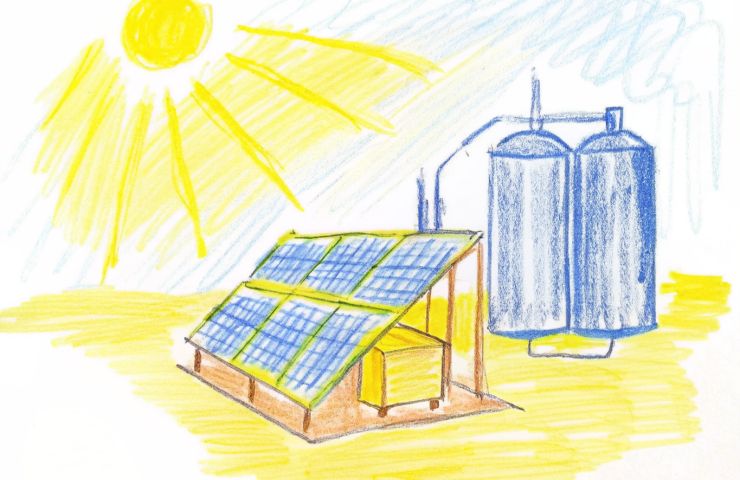
- It’s emissions-free: Green hydrogen doesn’t pump out any CO2 during production. That’s a big deal in cutting industrial emissions.
- Boosts energy independence: Making our own green hydrogen with renewable electricity could help cut dependence on energy-heavy exporters like Russia.
- Drives innovation: Backing local hydrogen infrastructure and electrolyser tech puts Europe in the driver’s seat as a clean energy leader.
Now, sure—blue hydrogen is an improvement over the dirtier grey stuff (made without capturing emissions). But critics warn that leaning into blue hydrogen could lock in fossil fuel systems for decades, leading to stranded assets and missed opportunities for real progress.
Two Competing Visions
Supporters of a “tech-neutral” plan say it’s the cheapest and quickest route to get hydrogen out the door. No strict rules, just let the market pick the winners. They argue it’ll allow faster scale-up and cut costs across the board.
But there’s a catch. The EU’s own Hydrogen Strategy and REPowerEU program are laser-focused on cutting emissions fast. That’s why advocates for green hydrogen say backing off policy support now would be a huge step in the wrong direction. The updated Renewable Energy Directive includes targets for renewable hydrogen in transport and industry—but how those rules will actually be enforced is still kind of murky.
Then there’s the newly launched Hydrogen Mechanism, part of the European Hydrogen Bank. It’s meant to match up hydrogen supply and demand across all “clean” types—but there’s concern it may blur lines too much and pull investment away from green-focused projects.
What's Really at Stake?
This isn’t just a squabble over policy—it could have long-lasting effects on Europe’s energy future. Here’s what’s on the line:
- Follow-the-money clarity: Clear mandates for green hydrogen would keep funding flowing toward innovation in electrolysis and a stronger hydrogen infrastructure.
- Energy resilience: Producing hydrogen locally means fewer global dependencies. Go “neutral,” and suddenly imports from fossil-reliant countries ramp back up.
- Real climate action: Getting to net zero by 2030 isn’t just about burning cleaner—it’s about building cleaner. Blue hydrogen still relies on tech, like carbon capture, that isn't ready at scale.
- Industrial muscle: Jumpstarting industrial decarbonization with green tech might cost more now—but it pays off when Europe becomes a top global supplier of green hydrogen know-how.
The Industry’s Message
“This isn’t about being ideological,” said one anonymous EU official. “It’s about deciding whether we double down on the clean future, or just keep retooling yesterday’s solutions.”
Leaders like Hedegaard and Quelhas couldn’t agree more. They’re not just sounding alarms—they’re trying to steer investment in a direction that secures Europe’s lead in the global sustainable energy transition. As co-chairs of the Renewable Hydrogen Coalition, they're focused not just on policy, but on building a resilient and green supply chain for years to come.
What Comes Next?
The EU isn’t done shaping its hydrogen roadmap. More talks, open forums, and regulatory clarifications are on the schedule through 2025. The big question is where the bloc will land: Will we see a firm green hydrogen push—or will neutrality dilute Europe’s energy ambitions?
Bottom line: this is a now-or-never kind of moment. Every decision made in Brussels today could determine whether Europe becomes a clean energy powerhouse—or slips backward into a fossil-fueled comfort zone. The clock’s ticking, and 2030 is closer than it feels.