European Boost for Norwegian Hydrogen Infrastructure: GreenH's Rogaland Green Hydrogen Hub
GreenH AS has secured around NOK 600 million from the EU Innovation Fund to build a 12.5 MW green hydrogen hub in Rogaland, aiming to produce five tonnes per day for maritime and heavy-duty transport by 2030.
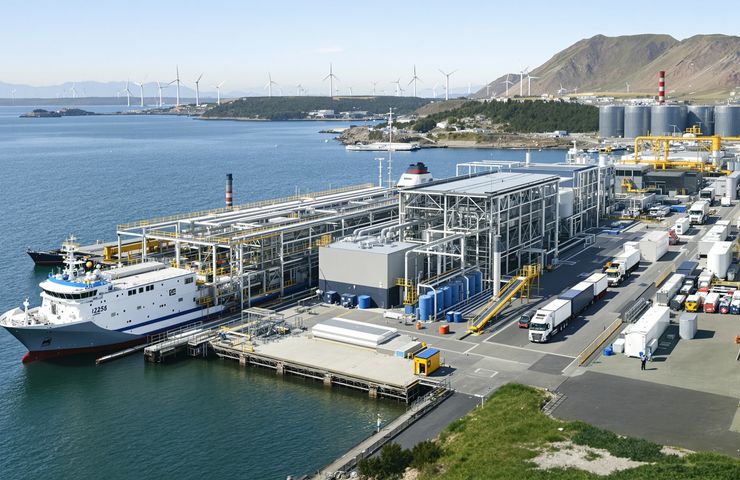
This month, GreenH AS hit a major milestone, snagging around NOK 600 million from the EU Innovation Fund through its EU Hydrogen Bank. This funding is aimed at building a medium-scale green hydrogen hub right in Rogaland, Norway. With this grant, they’re looking at securing a production premium for the next decade for an initial 12.5 MW electrolyser, which is set to churn out about five tonnes of green hydrogen daily, all powered by Norway’s rich renewable energy resources. By placing the facility close to significant shipping routes and industrial hotspots, GreenH hopes to bring down logistics costs and emissions, while also streamlining supply and refueling for everything from maritime transportation to heavy trucking and local industries.
For GreenH AS, a branch of Infranordic AS with decades of know-how in hydropower and renewable energy, this award is more than just cash; it’s a strategic launchpad. They’re already building a network of regional hubs, including a 30 MW pilot project in Bodø and more planned along the western coast. The Rogaland hub, which aims to be up and running by around 2030 (pending permits and final investment decisions), is seen as both a flagship effort and a practical test for medium-scale green hydrogen production near where it’s most needed. CEO Morten Solberg Watle noted that this funding seriously mitigates the project's capital risks and speeds up timelines in light of the growing demand for decarbonized fuels.
A boost from Brussels
The EU Innovation Fund taps into ETS revenues to kickstart first-of-their-kind low-carbon technologies. At a recent hydrogen auction, they poured €270 million into six projects across Europe, and GreenH’s Rogaland initiative is among the winners, joining others like RjukanH2 and HammerfestH2. These projects will get fixed premiums per kilogram of renewable hydrogen over ten years, making revenue more stable and less risky for investors. The goal? To reduce both policy and market uncertainties, inspiring private capital to jump in and speeding up the rollout of electrolyser technology across the continent.
Anchoring hydrogen production by the coast
Rogaland is shaking things up by transforming its deep-water ports and maritime expertise to fit the energy transition. With stricter sulphur limits and carbon regulations pushing shipping companies to explore zero-emission solutions, this hub’s coastal location will allow for easier vessel refueling, trucked hydrogen delivery, and local supply for factories and heavy-duty trucks. The close proximity to consumers means less energy lost during transmission and fewer logistical headaches that have slowed hydrogen’s wider adoption.
Nordic momentum in renewable hydrogen
Norway’s push toward hydrogen is strongly backed by its clean energy profile, mainly powered by hydropower, coupled with its robust maritime services sector. Early projects like RjukanH2 (18.75 MW) and HammerfestH2 (7.5 MW) have also scored Innovation Fund grants for maritime and industrial applications, underscoring the feasibility of mid-scale hubs. The Rogaland project adds to a growing network of supply nodes that could collectively support northern Europe, lower reliance on imports, and drive economies of scale for electrolyser manufacturers. It also serves as a testbed for how modular installations can expand as demand increases.
Strategic value and regional transition
Decarbonizing sectors that are tough to green is a top priority for the EU. Maritime fuel has a big part to play in shipping emissions, and heavy freight on roads has been tricky for battery electrification. Green hydrogen offers a practical zero-carbon alternative, either used directly or turned into fuel cell energy. For Rogaland, this hub not only diversifies its economy but also opens new revenue streams for ports, engineers, and service providers. The project aligns perfectly with national goals to expand hydrogen infrastructure and strengthen Norway’s position as a low-carbon energy powerhouse.
A testbed for hydrogen project financing
Initiatives like Rogaland are paving the way for new models in hydrogen project financing by mixing public grants, off-take agreements, and private funding. The EU grant sets a solid floor for revenues and gives lenders peace of mind regarding long-term commitments. As these hubs move into the building phase, stakeholders will have the chance to explore risk sharing, volume guarantees, and integration standards, and the lessons learned will inform future auctions and state aid strategies in places like Norway.
Technical underpinnings of the electrolyser facility
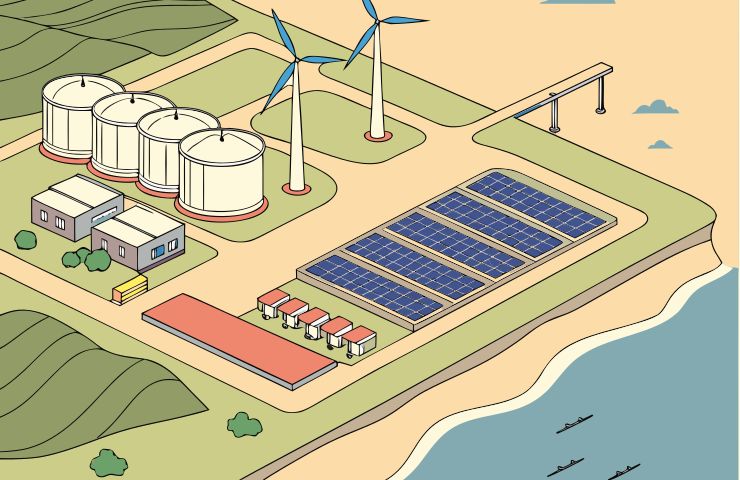
The upcoming 12.5 MW electrolyser is likely going to lean on alkaline or PEM (proton-exchange membrane) stacks to split purified water into hydrogen and oxygen. It will harness direct current from renewable energy sources to make that happen. Other supporting equipment will manage everything from water treatment and power conversion to cooling and gas compression. Hydrogen won’t just be produced; it will also be dried, compressed, and either stored or delivered straight to refueling stations and truck loading bays. Its modular design means that the plant can scale its stack capacity in phases, keeping pace with demand and grid capabilities.
Economic and environmental ripple effects
With around NOK 600 million in EU funding easing the initial financial burden, we can expect to see further private investment following suit. Local jobs in engineering, building, operations, and maintenance are set to surge, plus suppliers of specialized equipment will tap into new markets. Environmentally, swapping in green hydrogen for marine diesel or natural gas could seriously cut down CO₂ emissions and particulate matter in bustling ports and shipping routes, as long as renewable energy is maintained as the primary input. Of course, considerations around water sourcing and land-use impacts will need to be factored into upcoming permit reviews.
Looking ahead: replicability and market signals
If GreenH’s Rogaland hub hits its targets, it could lay down a replicable model for medium-scale installations along coastlines. Ongoing supportive policies and clear off-take agreements will help drive costs down further, encouraging fleet operators, shipping businesses, and industrial sites to embrace hydrogen. Over time, these hubs might even connect through hydrogen pipelines or shipping routes, creating a resilient network that supports Europe’s ambition to transform its maritime and heavy industry sectors.
All in all, the Rogaland project illustrates just how strategic public funding can unlock private investments and fast-track the real-world use of green hydrogen. As Europe fine-tunes its hydrogen playbook, this coastal hub stands out as a tangible milestone, helping bridge the gap between lofty policy goals and practical, operational resources on the path to zero-emission transportation and industrial decarbonization.