South Africa Steps Up with Six Priority Projects
South Africa unveiled six green hydrogen projects, including a $100 million equity-backed synthetic aviation fuel plant, to drive green hydrogen production and infrastructure for sustainable industrial growth.
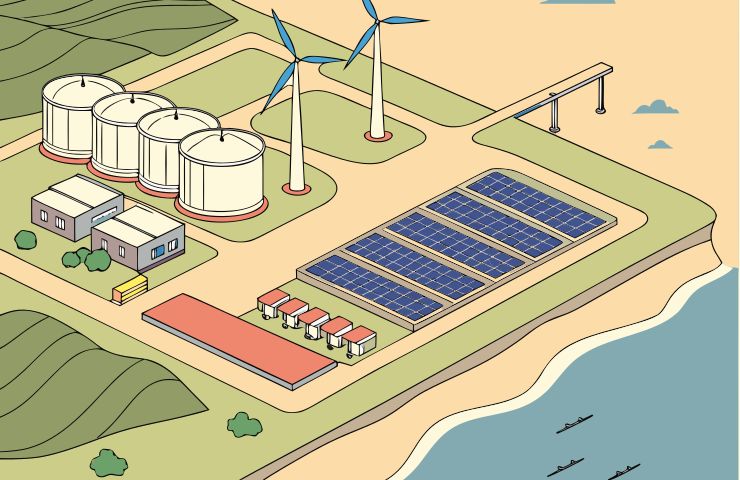
South Africa gathered policymakers, investors, and tech experts from all over the continent to showcase six priority green hydrogen projects at the African Green Hydrogen Summit in Cape Town this month. Electricity and Energy Minister Kgosientsho Ramokgopa delivered a keynote address on behalf of President Cyril Ramaphosa, urging stakeholders to ramp up green hydrogen production in a bid to boost industrialization, energy security, and decarbonization.
These initiatives are rooted in the Green Hydrogen Commercialisation Strategy, which received final approval in 2023. The strategy aims not just to produce hydrogen, but to foster value-added manufacturing, technology transfer, and skills development within local supply chains—moving beyond merely exporting raw hydrogen.
Analysts see Africa’s renewable energy potential for hydrogen as massive—over 500 GW of solar and wind capacity could make the continent a hotspot for green hydrogen production. With global demand for low-carbon ammonia expected to surpass 80 million tonnes annually by 2030, these early projects in South Africa could set the country up as a key player in international markets.
Turning Ambition into Bankable Developments
South Africa is positioning green hydrogen as a key sector in its just-energy transition policies. They’ve even rolled out a Green Hydrogen Deal Book to create standardized selection criteria, bankability assessments, and financing requirements. This is a solid move toward minimizing investment risks, especially when industry analysis highlights cost, infrastructure, and demand uncertainty as major barriers.
The government is also working on linking developers with binding offtake commitments and structured project-preparation finance. By doing this, they aim to unlock hundreds of millions in renewable energy and electrolyser investments. For example, the lead electro-SAF venture alone has attracted an impressive 100 million US dollars equity package, showing just how crucial hydrogen project financing is to transitioning from feasibility studies to actual construction.
The Green Hydrogen Commercialisation Strategy aligns with South Africa’s National Development Plan and the objectives of the African Continental Free Trade Area. This could facilitate cross-border trade in hydrogen derivatives with standardized tariffs and regulations, potentially cutting permitting timelines by up to 30 percent.
These steps echo recommendations from the International Energy Agency’s Global Hydrogen Review 2026, which emphasizes the need for clear standards, integrated infrastructure, and credible offtake agreements to scale up green hydrogen production.
The Six Priority Projects
The first set of initiatives includes a range of technologies and markets, showcasing Africa's diverse renewable energy potential:
- Phelan Green Group electro-Sustainable Aviation Fuel Project in Saldanha Bay: This flagship project has reached a final investment decision and signed a formal offtake agreement. Construction is set to kick off in early 2027, with the first exports of synthetic jet fuel expected by early 2029.
- Coega Green Ammonia Project in the Eastern Cape: Having completed its initial work, this facility is moving into detailed engineering and financing discussions to support ammonia production for fertilizer and shipping fuel.
- Saldanha Hydrogen Direct Reduced Iron Project: This pre-feasibility initiative aims to use green hydrogen in lower-emissions steelmaking, potentially cutting CO₂ emissions from iron production by up to 90 percent compared to traditional blast furnaces.
- Prieska Power Reserve in the Northern Cape: Currently in the development stage, this project is focused on bolstering local supply chains for fertilizer producers and energy-intensive industries through green ammonia.
- Green e-Fuels Producers Green Methanol Corridor: Targeting European export markets, this pre-feasibility project aims to synthesize green methanol from renewable hydrogen and captured carbon sources.
- Green Hydrogen Solutions Project: This smaller-scale plant has completed its front-end engineering design and will supply hydrogen for local industrial applications, showcasing how the domestic market can absorb initial volumes.
All six projects collectively span three provinces—Western, Eastern, and Northern Cape—encompassing sustainable aviation fuel, fertilizer, shipping fuel, methanol, steel feedstock, and direct hydrogen supply. This diverse array not only helps spread risk but also optimizes regional strengths in renewable resources and industrial infrastructure.
Building Infrastructure and Standards
To turn these announced projects into operating facilities, strong hydrogen infrastructure is crucial. Key priorities include:
- Developing renewable power feed-in agreements with solar and wind farm operators to secure thousands of megawatts of clean electricity.
- Scaling up electrolyser manufacturing through partnerships, focusing on local content to boost jobs and skills.
- Implementing robust certification standards to verify the carbon intensity of green hydrogen, ammonia, methanol, and e-fuels for global markets.
- Establishing logistics and storage hubs that tie together hydrogen pipeline corridors, compression stations, and port loading facilities.
- Securing long-term clean hydrogen offtake agreements with industries in aviation, shipping, chemicals, and steel to ensure project bankability.
By focusing on these elements, South Africa is setting the stage to become a hub for a pan-African hydrogen network. Proposed cross-border corridors could connect coastal ports with renewable energy zones inland, unlocking economies of scale for manufacturers and transport operators.
Collaboration Fuels Momentum
The summit highlighted partnerships among government agencies, research institutions, and private companies all working to enhance hydrogen production methods and storage solutions. The Department of Trade, Industry and Competition and the Industrial Development Corporation are co-sponsoring feasibility grants, while universities are testing electrolyser prototypes and direct-reduction furnaces.
Renewable energy developers are committing over 500 MW of planned wind and solar capacity to fuel these initiatives. Engineering firms are gearing up to deliver front-end design and management for construction. Logistics companies are planning to adapt existing port terminals for ammonia, methanol, and compressed hydrogen loading. This collaborative approach not only helps disperse risk but also speeds up the development of local supply chains for equipment manufacturing, technical services, and workforce training.
Addressing Environmental and Social Impacts
Large electrolysis projects call for treated water, which can strain resources in drier regions. To counter this, developers are integrating advanced desalination and wastewater treatment facilities. For instance, the design for the Phelan project in Saldanha Bay includes a zero-discharge water loop to safeguard coastal ecosystems. Plus, community consultation panels are being set up to ensure locals benefit from job creation and infrastructure upgrades, like better roads and vocational training centers.
By weaving environmental protections and social development plans into project planning, South Africa aims for a genuinely sustainable approach—finding balance between large-scale green hydrogen production and the need for water security, biodiversity preservation, and inclusive development.
A Glimpse into the Future
As these six initiatives move forward through permitting, financing, and construction, they’ll drive demand for:
- Over 1 GW of renewable electricity capacity set aside for electrolytic processes.
- Hundreds of megawatts of electrolyser installations.
- Advanced water treatment systems capable of processing thousands of cubic meters of purified water daily in arid regions.
- New ammonia synthesis loops, methanol reactors, and direct-reduction furnaces that together could yield tens of thousands of tonnes of clean fuels and feedstocks every year.
Successfully delivering on these projects could spark a second wave of initiatives, potentially pulling in billions of dollars in public and private investment. This could lead to thousands of jobs in manufacturing, construction, operations, and research, along with export revenues in the hundreds of millions of dollars each year.
South Africa's bold push to transition from strategic planning to large-scale deployments provides a glimpse of what the future holds for green hydrogen production. By focusing on infrastructure, standards, and collaborative financing, the country is proving how a resource-rich economy can leverage hydrogen as a cornerstone for sustainable industrial growth. This integrated approach—driven by strong policy frameworks and pan-African collaboration—illustrates the transformative potential of hydrogen energy news for a low-carbon future.