Gasunie Inaugurates 32-km Hydrogen Infrastructure Pipeline in Port of Rotterdam
Gasunie has commissioned a 32-km hydrogen transport pipeline within the Port of Rotterdam, inaugurating the first section of the Dutch hydrogen backbone. The link between Maasvlakte and Pernis facilitates low-carbon and green hydrogen flows, supporting industrial decarbonization and laying the foundation for a pan-European hydrogen network.
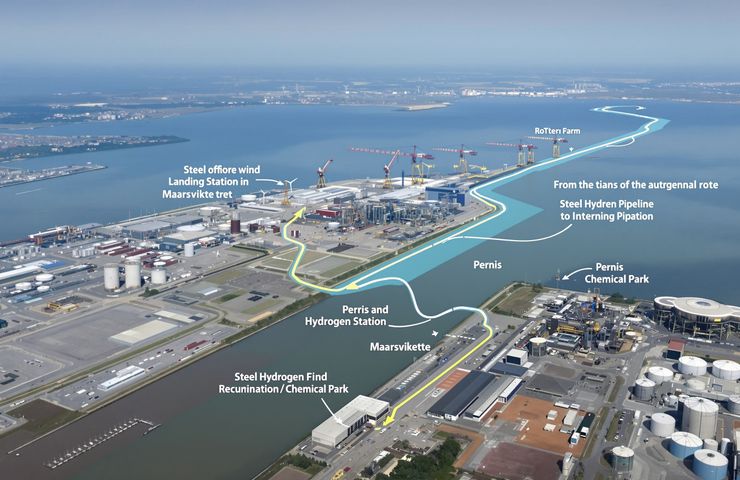
Big strides are being made in hydrogen infrastructure and industrial decarbonization over in Northwest Europe! Gasunie has just launched the first major operational section of its national hydrogen backbone right in the Port of Rotterdam. This new 32-kilometer hydrogen pipeline snakes its way through the port’s industrial area, connecting the Maasvlakte zone on the North Sea with the Pernis cluster along the Nieuwe Maas river. It’s not just a pipe dream anymore; this is a direct link between fresh green hydrogen production and established refining and petrochemical facilities, creating a shared transport route for low-carbon hydrogen feedstocks.
This whole setup comes in the wake of broader Dutch government and EU policies aimed at swapping out existing natural gas networks for green hydrogen production, powered primarily by offshore wind. By actually getting a pipeline up and running, rather than just playing with pilot projects, Gasunie has made that concept of a national hydrogen backbone a reality. Now, industrial players in Pernis, who already consume hefty amounts of hydrogen, can easily strike direct offtake agreements with new electrolyzer projects over at Maasvlakte. Plus, this pipeline opens doors for future expansions toward Eemshaven and potentially linking up with Germany and Belgium, making Rotterdam a strategic hub in this quickly evolving European hydrogen market.
The First Operational Section of the Dutch Hydrogen Backbone
The 32-km Maasvlakte–Pernis corridor is the first stretch of Gasunie’s ambitious plan for a national hydrogen backbone that aims to connect major industrial hubs across the Netherlands. Kicking off this pipeline in the Port of Rotterdam not only speeds up local offtake options, but it also shows that repurposing natural gas pipelines for hydrogen isn’t just possible, it's practical. This initiative has the government backing it, aligning perfectly with the Netherlands' vision to emerge as a leading hydrogen hub in Northwest Europe. The Port of Rotterdam Authority has stepped up as both host and strategic partner, making the permitting process smoother and integrating the project with its plans for an energy transition that includes zoning for renewables-based hydrogen production at Maasvlakte. By keeping the initial infrastructure within an industrial area, Gasunie has managed to minimize public pushback and regulatory red tape—a smart move that could serve as a template for future expansions into areas outside core port zones.
Engineering the Hydrogen Transport Pipeline
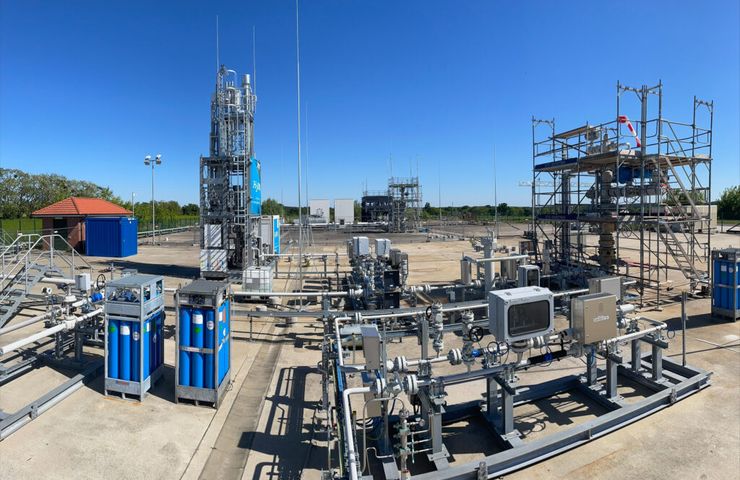
Transforming pipelines initially made for natural gas to handle hydrogen isn’t just a matter of swapping liquids. It comes with a bunch of technical challenges that need to be addressed—like making sure materials can handle hydrogen, preventing leaks, and managing pressure. Gasunie’s engineers are evaluating steel grades and welding methods to prevent hydrogen embrittlement. They’re also adjusting compressors, valves, and monitoring systems to accommodate hydrogen’s unique properties, like its higher diffusivity. The 32-km line operates under a controlled pressure system, complete with designated injection points for hydrogen producers and offtake stations for industrial users. This mirrors the natural gas transmission model but adds an extra layer of safety with real-time sensors to catch any potential leaks and ensure everything runs smoothly.
Strategic Value for Industrial Decarbonization
For the refineries and chemical plants in Pernis, hydrogen has been a key ingredient for years, typically sourced from steam methane reforming, which isn’t exactly environmentally friendly. Now, with this new pipeline, there’s a real opportunity to swap out fossil-derived hydrogen for greener alternatives produced via electrolysis. By creating a shared transport grid that multiple producers can tap into, Gasunie is paving the way for more electrolyzer projects and fostering healthy competition in hydrogen production. This shared infrastructure speeds up the transition to greener practices, reducing the carbon footprint of fuel processing and chemical manufacturing without forcing companies to completely overhaul their on-site operations.
Bridging Offshore Renewable Generation and Industrial Hubs
At Maasvlakte, plans are already in motion to harness electricity from North Sea offshore wind farms to power those large-scale electrolyzers. By placing these facilities close to high-voltage electricity landing points, developers can cut down on transmission losses and adjust hydrogen output dynamically to match the ups and downs of renewable energy supply. The Rotterdam pipeline will then transport all that green hydrogen straight to Pernis and surrounding plants. This setup decouples renewable energy generation from immediate electricity needs, allowing for surplus wind energy to be transformed into an energy carrier, which is especially critical for hard-to-electrify sectors. It also shows how ports can evolve into pivotal energy transition platforms, blending renewable energy with hydrogen production, storage, and distribution.
Market and Regulatory Dimensions
The nascent hydrogen backbone in the Netherlands mirrors wider policy ambitions both at the national and EU levels, with a target of achieving climate neutrality by mid-century. But there are a few regulatory hurdles to clear, like third-party access to the network, tariff structures, and who owns what infrastructure, which will all play a big role in making the pipeline commercially viable. Gasunie, as a state-owned operator, has to strike a balance—ensuring fair access for independent producers and industrial users while also making sure they get a decent return on their investment in infrastructure. Additionally, aligning certification schemes to confirm low-carbon hydrogen supply chains will be crucial to guarantee real environmental benefits. Collaborating with Belgian and German networks will also create a more unified European hydrogen market, enhancing liquidity and price transparency.
Forward Outlook
With the first 32-km section now operational, the focus shifts to expanding the Dutch hydrogen backbone and bringing in more industrial clusters. Future phases might involve repurposing more natural gas pipelines and developing new corridors toward Eemshaven and potential international links. For all the stakeholders involved, this pilot project in Rotterdam acts as a proving ground for technical standards, operational practices, and business models. If all goes according to plan, this pipeline could spark a regional hydrogen economy, connecting renewable energy zones, import terminals, and heavy industry. Ultimately, this initiative highlights hydrogen’s potential as a flexible energy carrier and an essential component in decarbonization strategies across Europe.