Hydrogen Storage Infrastructure: Gangwon Ramps Up Liquid Hydrogen Tank and Transfer R&D
Gangwon Province secured 29 billion won for R&D on a liquid hydrogen storage tank and transfer system at Samcheok’s hydrogen complex, marking the first phase of its coastal import terminal strategy.
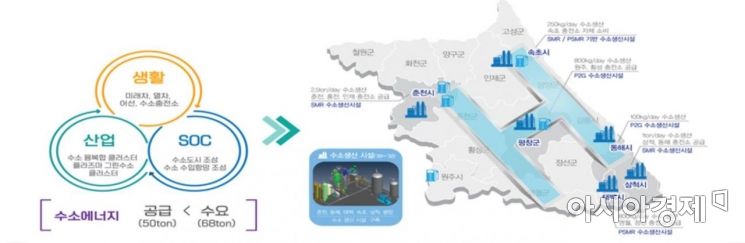
In a notable step towards bolstering its hydrogen infrastructure, Gangwon Province has landed a hefty 29 billion won in state backing from the Ministry of Land, Infrastructure and Transport. This funding is set to kick off the development of key technologies for a liquid hydrogen storage tank and a loading/unloading system. Run by the Korea Agency for Infrastructure Technology Advancement (KAIA) and nestled in the Samcheok hydrogen specialized industrial complex along the east coast, this initiative is paving the way for a future commercial liquid hydrogen receiving terminal.
Highlights of the Project
Understanding Cold-Chain Storage
To store liquid hydrogen, we need to keep it at around –253 °C, which is essential for maintaining its fuel density. The project’s centerpiece is that 200 m3 tank designed to manage about 14 tons of liquid hydrogen. It’s insulated with a vacuum-jacketed shell and multiple reflective layers. To tackle heat ingress effectively, engineers are implementing super-insulation techniques and sturdy support structures to limit thermal bridges. Managing boil-off gas, which is crucial for safe and efficient hydrogen storage methods, will involve controlled venting, pressure relief valves, and even some nifty recovery loops to redirect any boil-off into downstream power systems or reconversion setups.
The 2-inch loading/unloading arm system is designed to handle the movement without compromising its integrity, thanks to special ball joints and low-temperature seals. Plus, the transfer lines will use flexible corrugated hoses and quick-connect couplers that are rated for cryogenic service. Automation and real-time monitoring of temperature and pressure should keep everything running smoothly, while emergency shutdown valves are there to prevent overpressure or leaks from throwing a wrench in the works.
Funding and Collaborative Efforts
This initial funding is just the tip of the iceberg and is part of a broader hydrogen project financing framework under Korea’s Industrial Demonstration and Standards-Building Programme. Spread over 45 months, the R&D timeline includes creating prototypes, conducting tests, and verifying performance, leading up to a handover in the final year. By routing the funds through KAIA, the Ministry aims for a well-coordinated approach that aligns with national hydrogen rollout goals and standard-setting efforts.
This consortium comprises 14 members, including:
This public-private partnership model focuses on localizing critical components, scaling up production to drive down costs, and creating valuable expertise that can be exported to international markets. It also shows potential investors that there’s serious confidence in the clean hydrogen sector, which is crucial for future off-take and distribution deals.
Building a Hydrogen Ecosystem
Gangwon Province is strategically nurturing a hydrogen storage and transport cluster around Samcheok and the neighboring Donghae. By making use of an existing LNG terminal, a deep-water port, and rail connections, the area is setting itself up as a key energy hub in East Asia. Samcheok’s hydrogen specialized industrial complex has the added perk of being in a regulatory-free zone, meaning smoother permitting processes and more flexible land use options. Past projects have included pilot liquefaction modules, small-scale storage experiments, and mobile refueling vehicles.
Local authorities are optimistic that this R&D initiative will solidify a broader supply chain that includes tank fabrication shops, cryogenic insulation manufacturers, and specialized maintenance services. The transformation of old coal-mining sites into energy parks could also open up hundreds of jobs in engineering, construction, and R&D, while simultaneously benefiting related sectors like accommodation and logistics.
Commercial Implications and Policy Alignment
The public funding for core hydrogen infrastructure development indicates Korea’s intent to bridge the gap between hydrogen production and real-world use. By showcasing a working liquid hydrogen storage and transfer system, policymakers hope to create commercial-scale import terminals that can receive tankers from regions heavily invested in hydrogen exports. This initiative aligns directly with ongoing negotiations for off-take in mobility—think hydrogen vehicles and buses—as well as industrial decarbonization efforts for sectors like steel, chemicals, and data centers. Getting low-temperature storage right is essential to achieving a higher volumetric density than with compressed gas, which can lead to reduced transportation costs per kilogram of hydrogen.
On a policy level, this project dovetails with national objectives for ramping up green hydrogen production and diversifying clean energy imports. The standardized designs emerging from this R&D could help shape regulatory codes, safety standards, and permitting procedures, effectively lowering the barriers for future developments.
Safety Considerations and Market Potential
Handling cryogenic hydrogen isn't without its risks—things like rapid phase changes, a wide flammability range, and the potential for cryogenic burns or metal embrittlement can pose challenges. That’s why having safety specialists in the consortium is critical; they’ll be responsible for crafting thorough emergency protocols, digital leak-detection systems, and worker training programs. Regulatory agencies will test all systems before granting the final thumbs up for operation, setting a precedent that could benefit future terminals.
Whether the market embraces this technology will depend on how well terminal utilization rates play out and how competitive hydrogen remains in comparison to LNG or other fuels. Analysts are optimistic that integrating boil-off gas recovery can create extra revenue streams, and future re-liquefaction systems may enhance efficiency even more. But the environmental viability will hinge on sourcing low-carbon hydrogen—whether imported green hydrogen or domestically produced low-emission options—while tracking lifecycle emissions to meet corporate sustainability goals.
Looking Ahead: Next Steps
Now that design and prototyping are kicking off, the project’s roadmap is eyeing a second phase featuring a 4,000 m3 demonstration tank, daily liquefaction capability of around 5 tons, and full-scale loading mechanisms. Milestones like consistent performance across seasonal temperature variations, rapid freeze-up protocols, and integration with local distribution networks will signal the project’s readiness for commercial rollout.
If the Samcheok project succeeds, it could pave the way for similar initiatives along Korea’s west coast or even in nearby countries, solidifying Korea’s position in the global liquid hydrogen storage supply chain. Collaborating with shipping companies and offshore production platforms could unlock even more export opportunities, reinforcing hydrogen’s crucial role in the energy transition across East Asia.
Ultimately, this R&D effort is a tangible step toward making large-scale hydrogen import and distribution a reality. If they nail down tank integrity and perfect the loading arm operation, Samcheok has the potential to evolve from just a pilot zone into a key player in Korea’s clean energy future. Investors and stakeholders will undoubtedly be keeping a close eye on performance metrics, operational insights, and how regulatory frameworks adapt to facilitate rapid replication of these projects.