GenH2 and Bosch Unveil Zero-Loss Liquid Hydrogen Refueling Station in Texas
GenH2 and Bosch launch a zero-loss hydrogen refueling station in Dallas, targeting improved liquid hydrogen efficiency and cutting refueling losses for fuel cell vehicles.
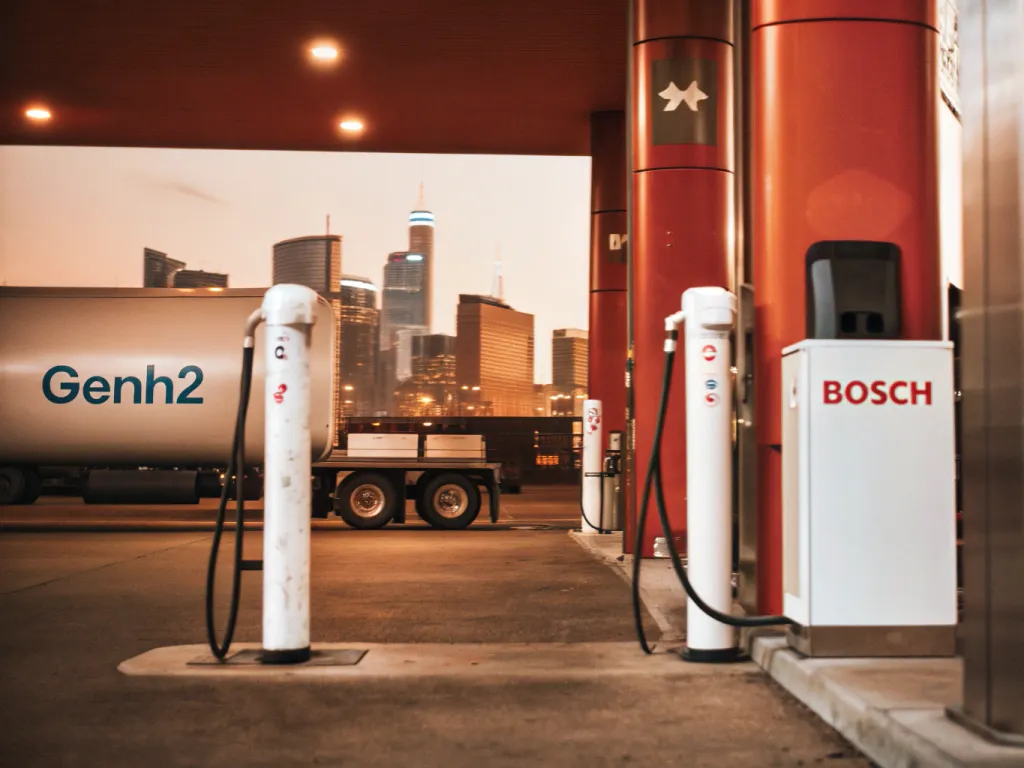
Hydrogen infrastructure just got a major upgrade in Dallas, Texas, where GenH2 and Bosch quietly opened a new kind of refueling station—a zero-loss liquid hydrogen setup designed to make hydrogen refueling cleaner, quicker, and more efficient. It might not be front-page news yet, but in the world of fuel cell technology, this move is a serious game-changer.
Keeping It All In—No More Boil-Off Drama
One of the longtime headaches with liquid hydrogen has been boil-off and leakage. You lose hydrogen in the process, and money with it. That’s been a big hurdle for the economics of fuel cell vehicles. But GenH2 and Bosch had other plans. Their newly launched station features cutting-edge thermal insulation, pressure control, and pre-cooling systems that keep hydrogen losses to an absolute minimum. In plain terms: more hydrogen makes it from tank to truck, exactly as it should.
Set right in the heart of Dallas, this isn’t just a cool piece of tech. It’s a statement. Dallas has been an energy leader for decades, and now it’s putting that legacy to work in building out zero-emission technology for the future—from long-haul transport to last-mile delivery fleets.
Big Names, Bold Moves
This project brings together two very different heavyweights. On one side, there’s GenH2—a Florida-based startup making waves with its focus on liquid hydrogen systems. On the other, you’ve got Bosch, the global engineering giant with its hands deep in hydrogen fuel cells, production equipment, and energy storage solutions. Together, they’re walking the walk on the hydrogen economy, not just pitching pie-in-the-sky concepts.
And again, the Dallas launch wasn’t chosen at random. The region has the infrastructure, the energy expertise, and now, a serious commitment to industrial decarbonization. Putting a high-performance hydrogen station here says it loud and clear: this future is already under construction.
Liquid Hydrogen = More Power, Less Space
While compressed hydrogen’s been doing the heavy lifting so far, liquid hydrogen offers a major perk—higher energy density. That means you can store more fuel in the same space, giving trucks longer range and quicker refueling stops. The trade-off has always been the challenge of keeping the ultra-cold liquid stable. Any boil-off during fueling eats into cost and efficiency.
So, when this new station says “zero-loss,” it’s not just bragging rights—it’s a legit cost-saver. Less hydrogen lost in transfer helps shrink fuel prices per kilogram and brings the experience closer to what drivers are used to with gas or diesel. And for long-haul and commercial fleets, that's the kind of convenience that puts zero-emission technology squarely in the running.
Bigger Picture: Building the Backbone
This setup is more than just a cool science project—it’s part of a much bigger shift. As OEMs and governments push harder on going electric and low-carbon, the availability of reliable hydrogen infrastructure has become crucial. Technologies like this one do more than solve technical issues; they send a message. These stations can scale, they can perform, and they have serious commercial upside.
Much like what we’ve seen with EV charging—where expectations around speed and reliability have become standard—liquid hydrogen stations may soon face the same scrutiny. Stations can’t just exist anymore. They have to work well, work often, and keep up with demand.
Looking Down the Road
This isn’t just a demo unit tucked away in a lab. This is real hardware, installed and operating in the real world. That means real data—from how vehicles refuel, to how the system behaves over time—is coming soon. That feedback loop is huge. It will help refine everything from tank designs to fuel pricing models.
As for GenH2 and Bosch, this launch is very likely just the beginning. With a successful live deployment now under their belts, they’re in a strong position to roll this model out in other key markets—and possibly even help shape the standard for what a next-gen hydrogen refueling station should look like.
Because for hydrogen to make the leap from hype to highways, we need more than big ideas—we need zero-loss, high-performance stations ready to go. And in Dallas, we just got one.