Germany Fast-Tracks Green Hydrogen Development with New Hydrogen Acceleration Act
Germany enacts Hydrogen Acceleration Act to fast-track green hydrogen projects by prioritizing approvals, simplifying regulations, and driving infrastructure expansion—key to meeting its 2030 climate goals.
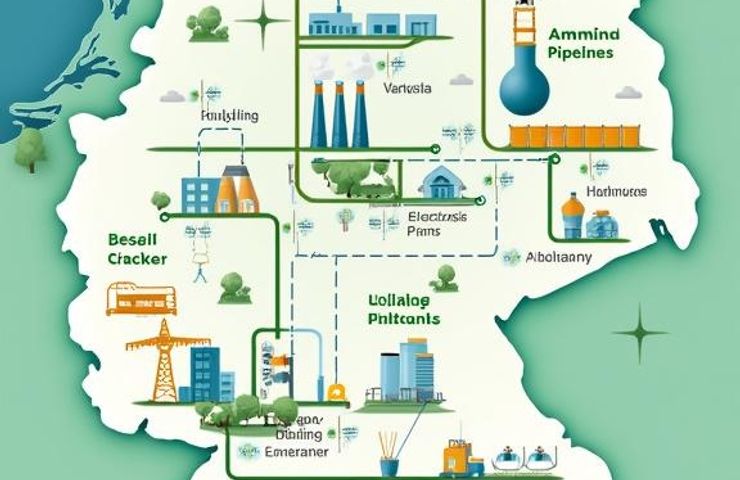
Germany is kicking its green hydrogen plans into high gear with the newly passed Hydrogen Acceleration Act—a bold piece of legislation aimed at cutting through bureaucracy and jumpstarting its hydrogen infrastructure. Signed into law on July 8, 2024, the act is designed to get hydrogen projects approved, built, and operational faster than ever.
Simplifying the Road to Hydrogen
Backed by the Federal Ministry for Economic Affairs and Climate Protection (BMWK), the law is a major piece of Germany’s broader hydrogen strategy. The clock is ticking—Germany’s aiming for 10 GW of electrolysis capacity by 2030, a key milestone in slashing emissions in energy-hungry sectors like steel, chemicals, and heavy transport.
What’s new? For starters, hydrogen infrastructure—think electrolysers, pipelines, storage tanks, even ammonia import terminals—has been designated as infrastructure of “overriding public interest.” That’s a fancy way of saying these projects now have top priority when it comes to permitting. No more getting bogged down in layers of red tape.
Other standout features include:
- Streamlined, fully digital planning processes
- Faster environmental reviews
- New grid rules that let electrolysers plug into at least 80% renewable electricity—until 2029
Turning the Tide on Bureaucracy
Germany has had big green hydrogen ambitions since launching its national strategy back in 2020—but execution has been a slog. Complex regulations, local resistance, and conflicting interests slowed things down. The Hydrogen Acceleration Act finally provides a clear, unified framework to get projects moving, in step with broader EU efforts like the RED III Directive.
Energy security has also become a bigger deal, especially since 2022 shook up global energy markets. While Germany is phasing out coal and cutting back on imported fossil fuels, a big part of the plan is to hit 80% renewable electricity by 2030—and green hydrogen is right at the heart of that goal.
Scaling the Tech That Makes It All Work
This law supports the entire green hydrogen ecosystem, including some pretty state-of-the-art tech. Here’s what’s getting the green light:
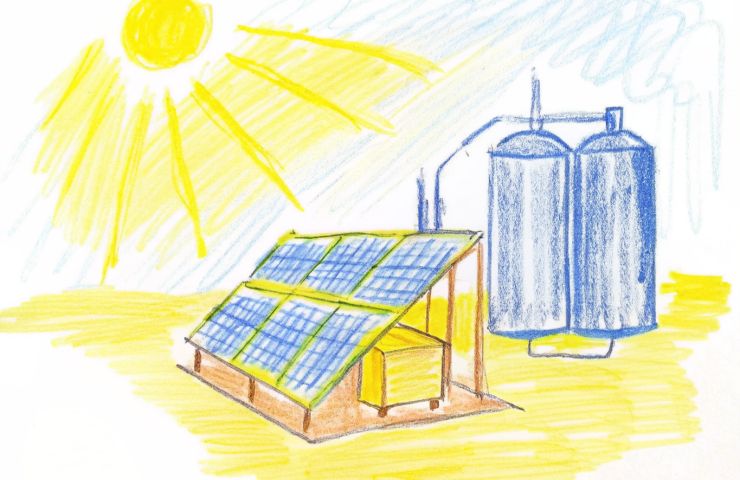
- Electrolysers: These are the workhorses—powered by wind or solar, they split water into clean hydrogen and oxygen.
- Pipelines and storage: These build out the hydrogen highway, safely moving the fuel where it’s needed.
- Ammonia cracking terminals: They convert imported ammonia back into usable hydrogen, making international supply chains viable.
It's worth noting that options like methanol or synthetic natural gas imports didn’t make the cut. That might limit flexibility for now, but it keeps the focus on today’s most scalable options.
High Stakes and High Potential
Simplifying permits won’t just clear the way for faster hydrogen production—it’s also expected to unleash a wave of investment and job creation. By speeding up approvals, it gives both government and private investors a fast track to fund serious clean energy infrastructure—and that could mean big economic wins.
Still, there are concerns. Environmental groups worry that faster permitting could come at the expense of ecosystems and land use. Since hydrogen infrastructure—like any major project—needs space and sometimes crosses protected areas, getting local communities on board will be essential.
That said, the upside is huge. With tech maturing and interest from global partners growing, Germany is staking its claim as a serious player in the emerging hydrogen economy. It’s not just about national goals anymore—it’s about influencing the trajectory of the entire EU hydrogen market.
Looking Ahead
Expect an uptick in project announcements—both homegrown and in partnership with countries blessed with strong renewables. The act’s clause requiring electrolysers to run on at least 80% renewable power until 2029 creates both a challenge and a clear benchmark for developers.
In the longer run, this streamlined legislation might inspire other countries to rethink the way they handle clean energy development. If Germany pulls this off, it could become the blueprint for how to move fast and smart in the global push for industrial decarbonization.
Bottom line? The green hydrogen future many hoped for isn’t just a talking point anymore. Thanks to this law, it’s finally picking up speed.