Germany’s 2025 Budget Faces Industry Backlash Over Cuts to Hydrogen Infrastructure
Germany's energy industry warns that the 2025 budget’s cuts to hydrogen infrastructure and limited electricity tax relief could stall decarbonization and hurt competitiveness, urging broader support as parliament finalizes funding.
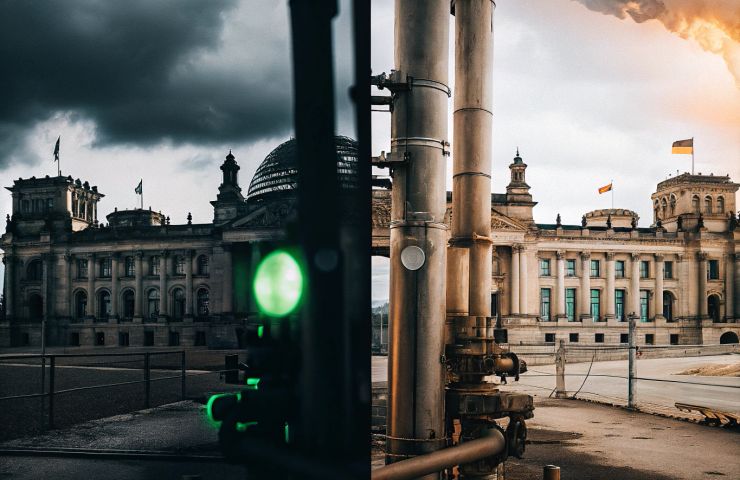
Germany’s energy sector is turning up the pressure on politicians as the 2025 budget talks hit crunch time. What’s on the line? The country’s push to take the lead in sustainable energy, and whether enough support is left to build out hydrogen infrastructure and provide meaningful electricity tax relief. But as things stand, the current draft budget paints a worrying picture—major cuts to hydrogen funding and tax breaks limited to only a handful of big players. That’s got industry leaders warning: Germany’s entire industrial decarbonization strategy could be in jeopardy.
BDEW Raises a Red Flag
The German Energy Industry Association (BDEW) isn’t holding back. Representing utilities and grid operators nationwide, they’re sounding the alarm after the government proposed slashing around €800 million from last year’s hydrogen project funding. At the same time, electricity tax relief is being kept exclusive—benefiting large industries and farmers, while leaving small businesses and households out in the cold.
Kerstin Andreae, BDEW’s Managing Director, put it plainly: "We’re at a tipping point. If the government doesn’t send clearer financial signals, key energy transition projects could stall, or disappear altogether." Her warning isn’t falling on deaf ears across the energy sector, where uncertainty is starting to take its toll.
New Chancellor, Tough Trade-Offs
Newly appointed Chancellor Friedrich Merz is juggling a lot after the coalition collapsed, and he’s defending the government’s budget priorities. The 2025 draft is packed with spending on defense, public infrastructure, and energy subsidies—but critics argue that when it comes to climate and energy policy, it just doesn’t go far enough.
Merz insists new laws are on the way to fast-track hydrogen production and the rollout of renewables. Still, the industry’s not convinced. Slashing support now could scare off investors right when Germany needs them most to scale green hydrogen and fuel cell technology.
Hydrogen: The Future or a Missed Opportunity?
Green hydrogen has become a major pillar in Germany’s climate strategy—powering everything from steel plants to freight transport—all while slashing emissions. But scaling it up takes more than ambition. It needs consistent policy and serious investment in hydrogen infrastructure. The irony? Germany has been leading Europe’s pivot away from fossil fuels (especially after cutting ties with Russian gas), but now it risks slowing down just as the rest of the world picks up speed.
Without stable funding and a long-term roadmap, Germany could lose its edge. High energy costs and growing market uncertainty already have manufacturers on edge. And if projects around hydrogen fuel cells and hydrogen storage stall, so could progress toward the country’s emissions target: a 65% cut by 2030.
Tax Relief That Misses the Mark?
Yes, the budget includes some electricity tax relief, but here’s the catch—it only applies to large-scale industries and the agricultural sector. That’s simply not enough, argue critics. Left out are small and mid-sized companies, as well as everyday households—many of whom are already paying high utility bills and struggling to invest in greener tech.
"It’s short-sighted,” said Andreae. “Wider tax relief wouldn’t just ease the financial burden—it’d make climate-friendly technology more accessible and get more people on board with the transition.” The concern is that this selective support only props up the big players, leaving the real backbone of Germany’s economy—its SMEs and citizens—behind.
Slipping Progress and Public Confidence
There’s more bad news: solar and wind output took a hit recently, forcing Germany to burn more fossil fuels than expected in 2025. That kind of step backward could undo hard-won climate gains and shake public confidence in the country’s sustainable energy goals. If the strategy looks unstable, investors might pull back and citizens could start questioning whether the clean energy shift is worth the cost.
And this isn’t just a domestic issue. As the EU’s largest economy, whatever Germany does sends ripple effects through the rest of Europe. If Berlin backs away from its hydrogen infrastructure commitments, Brussels may struggle to keep the broader bloc on track for its energy targets.
A Make-or-Break Moment
Finance Minister Lars Klingbeil points to the €500 billion recovery and transformation fund as a long-term safety net—but for many in the energy sector, that’s too vague. What they’re asking for now is clarity—and concrete action. The coming months are going to be crucial. Parliament still needs to finalize the budget, and the Merz administration has promised fast-tracked hydrogen legislation before summer’s out.
The big question: will those promises turn into policies, or just more delays? One thing’s clear—Germany’s decisions in the short term won’t just shape its own hydrogen economy. They’ll send a powerful signal to the rest of the world about whether real political will can rise to meet the climate challenge.