Germany's Hydrogen Core Network Secures Over 6 GW in Capacity Reservations
Operators of Germany’s hydrogen core network have reported securing over 6 GW of contractually reserved transport capacity, a significant step towards establishing a robust hydrogen infrastructure.
Germany’s transition to a hydrogen-powered future just took a significant step forward. Operators of Germany’s hydrogen core network have reported securing over 6 GW of contractually reserved transport capacity, solidifying the nation’s commitment to developing hydrogen infrastructure. That headline number is notable because it converts policy plans into concrete, paid-for capacity on the grid network, offering early confirmation that multiple market actors are preparing to move beyond planning and into operational commitments.
Earlier this month, it was announced that more than 0.5 GW had also been reserved for cross-cluster transport. The reservations are part of a coordinated reservation process that began on March 19, 2026, and which aims to give hydrogen producers, importers, storage operators, and end users greater planning certainty as they navigate the emerging hydrogen market. In practice, that means companies can book entry and exit points in the network and lock in transport rights ahead of final investment decisions.
The Backbone of the Network
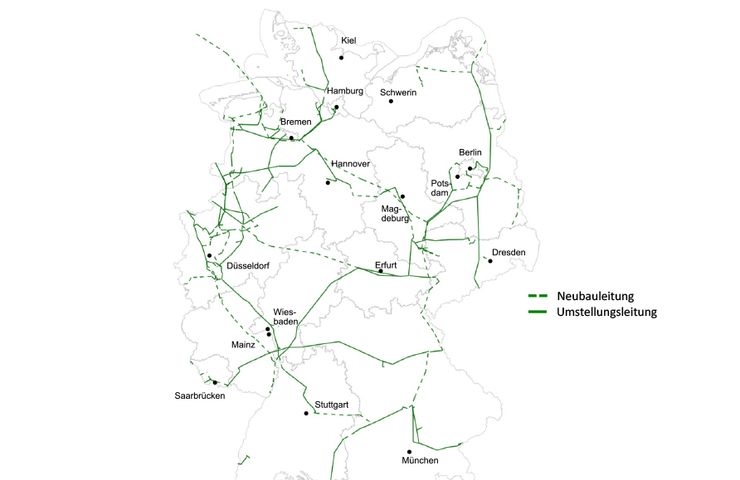
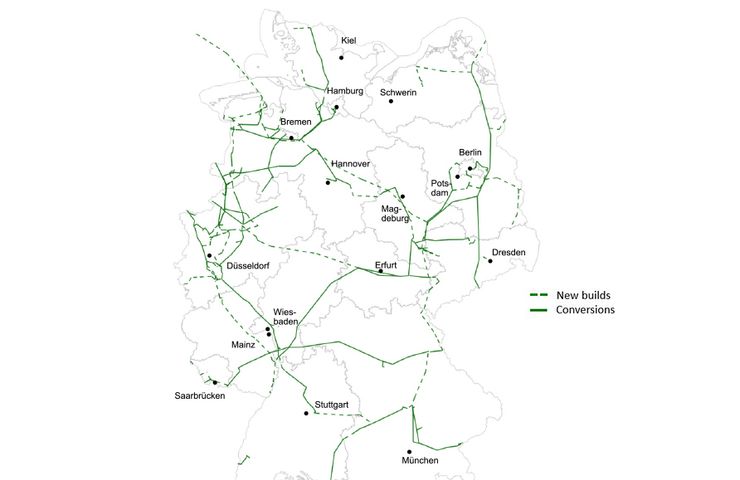
Germany's hydrogen backbone is a well-thought-out response to the need for a streamlined energy transition. The approved hydrogen core network is set to cover 9,040 kilometers of pipeline, with approximately 60% coming from the conversion of existing natural gas pipelines and the remaining 40% constructed as new infrastructure. That mix is deliberate: conversion uses existing corridor rights and assets, while new construction fills gaps where hydrogen flows require dedicated lines.
The Bundesnetzagentur, Germany’s federal network agency, approved the network, establishing a robust legal and regulatory framework that enables effective planning and execution. The expected investment cost sits at about €18.9 billion, making it one of the largest investments geared towards hydrogen infrastructure in the region. Those figures provide an early benchmark for how much capital will need to move into the sector to build the physical links between production, import and demand sites.
Standardized Fees Create Market Transparency
Implementing a standardized reservation fee starting this month, network operators aim to create a more uniform and transparent environment. The fee regime is intended to set clearer conditions for users, enabling businesses to forecast their costs and make informed decisions regarding their hydrogen transport needs. Transparency in pricing is widely seen as a prerequisite for reducing investor risk and improving the comparability of transport options across the country.
Barbara Fischer, managing director of the operators' coordinating association, FNB Gas, highlighted that these reservation bookings represent a “positive signal” for market growth. By allowing for secured entry and exit capacity across regional clusters and promoting cross-cluster transport, the process lays the groundwork for a more interconnected hydrogen landscape. Fischer’s comment reflects operators’ view that contractual commitments are the next step beyond expressions of interest.
Building Confidence in the Hydrogen Market
The reported bookings matter significantly. Unlike informal expressions of interest, these are paid contractual reservations that indicate solid market demand and willingness among various stakeholders. Those paid commitments provide early market signals essential for financial backing and infrastructure development, which have traditionally been challenging in the hydrogen sector. Finance partners typically require evidence of future revenues or capacity usage before committing to large-scale loans or equity investments.
Connecting Production with Demand
The core network is designed to interconnect major hydrogen production sites, import points, and industrial consumption locations. By linking supply and demand centers, it facilitates efficient distribution and usage of hydrogen, a key to decarbonizing industries like chemicals, steel, and refining—sectors that are notoriously hard to electrify directly. The physical connection between production hubs and industrial clusters is a central purpose of the backbone architecture.
However, it's crucial to note that while these reservations indicate demand, they do not guarantee that hydrogen production facilities or industrial conversion projects will materialize. As it stands, they are a sign of interest in the potential for future capacity but fall short of final investment decisions or confirmed hydrogen volumes. In short: reservations reduce uncertainty but do not remove it entirely.
The Road Ahead: Challenges and Opportunities
While this initial phase is promising, stakeholders will need to navigate financing challenges, securing permits, and ensuring that necessary technologies are in place. The sector is still rife with uncertainties regarding tariff structures, balancing requirements, and consumer requirements, all of which will play substantial roles in the realization of viable hydrogen markets. Each of those items — financing, permitting, technical readiness — has its own timeline and risk profile, and they must align for projects to proceed from reservation to operation.
As interest in hydrogen technology grows, it’s becoming a cornerstone of Europe’s energy strategy. Germany’s focus on developing a hydrogen economy reinforces its lead in clean energy advancement. This not only places the country at the forefront of a burgeoning industry but also showcases a strong commitment to reducing emissions while safeguarding energy security. The emergence of contractual reservations on the backbone is one visible indicator that policy, regulation and market appetite are beginning to converge.
Bottom Line
Strong investments and strategic planning are converging to shape an era of hydrogen energy in Germany. The over 6 GW in reserved capacity illustrates significant interest driving the development of essential infrastructure that could pave the way for a sustainable energy future. Collaborations between operators and stakeholders will be crucial, ensuring that the road to a clean hydrogen economy is not just paved with promises but ultimately leads to functional, operational efficiency that fuels Germany’s industrial sectors for success.