Green Hydrogen Exports from Africa Face Major Cost Hurdles, Study Reveals
New study reveals most African green hydrogen export projects won't be cost-competitive without European support, highlighting high investment risk and limited viable sites.
Most of Africa’s green hydrogen export dreams could struggle to get off the ground—unless Europe steps in with serious support, according to new research from the Technical University of Munich (TUM), working alongside the University of Oxford and ETH Zurich.
A Tough Road Ahead for Africa’s Hydrogen Plans
Researchers took a deep dive into more than 10,000 coastal sites across 31 African countries and came to a pretty stark conclusion: less than 2% of those sites would be able to produce green hydrogen at prices competitive enough for export by 2030—at least based on how the market looks today. That’s a big blow to earlier hopes that Africa’s abundant sunshine and wind would turn it into a clean energy powerhouse for the world.
Here’s the real issue: financing. Many of these projects face steep borrowing costs—sometimes as high as 27%—driven by political instability, regulatory hurdles, and infrastructure challenges. Previous industry models had assumed much lower interest rates, typically between 4% and 8%. That mismatch means many of these ventures are looking a lot less viable than originally thought.
Why Green Hydrogen Is So Pricey Here
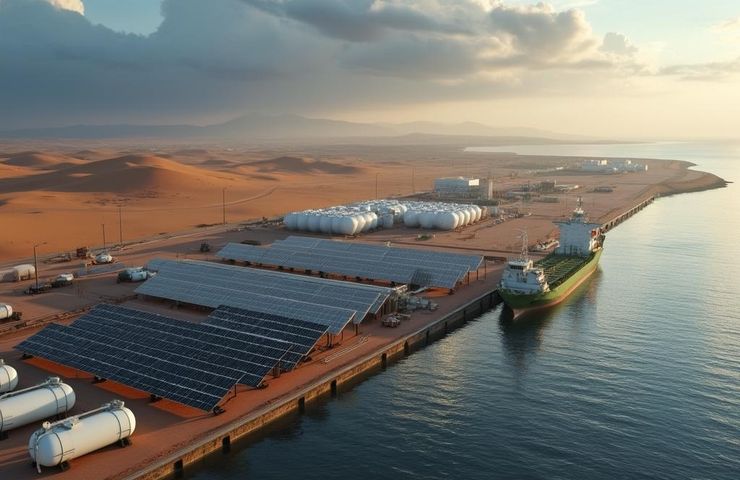
The heart of the challenge lies in how green hydrogen is made. The process starts with renewable-powered electrolysis to split water into hydrogen and oxygen, then often converts that hydrogen into ammonia so it can be shipped safely—usually to European ports like Rotterdam. While the process itself is low on emissions, it’s no secret it costs a lot up front. And when financing costs are sky-high, those expenses balloon even more.
Even under ideal conditions—with European governments pitching in with price guarantees or long-term purchase agreements—the research found that prices would still hover around €3 per kilogram. That’s not far off the current cost of hydrogen in Europe, especially when subsidies are factored in, putting African producers at a disadvantage.
A Few Bright Spots—But They’re Limited
That's not to say all hope is lost. According to the study, roughly 200 project sites across six countries—Morocco, Mauritania, Algeria, Namibia, Kenya, and Sudan—could potentially deliver hydrogen at competitive rates. These countries have a better mix of factors, like strong solar and wind potential, access to ports, and slightly more developed infrastructure. But even here, political instability and governance issues remain big question marks that could delay or derail projects.
Dr. Stefan Ueckert, one of the study’s authors from TUM, put it clearly: “This isn’t about green hydrogen being a bad idea. It’s about making sure we're being honest about the challenges in certain regions. Policymakers and investors need to look at the full picture.”
What This Means for Europe’s Hydrogen Game Plan
The EU has placed a big bet on importing green hydrogen to help decarbonize energy-heavy industries like steel, cement, and chemicals. But this report serves up a hard dose of reality: Europe might be counting on more African supply than is realistically achievable under current conditions.
So where does Europe go from here? That’s the big question. Should it step up with guaranteed purchase agreements? Offer sovereign loan guarantees to cut down financing risks? Or maybe double down on domestic hydrogen production instead?
Without real support mechanisms in place, many African hydrogen projects may never move from paper to production. Instead, they risk becoming little more than flashy announcements and memorandums of understanding without the financial legs to stand on.
Who Really Gains from All This?
This hydrogen rush also shines a spotlight on issues of fairness. Local communities in Africa are increasingly concerned about investments that drain value from their lands without boosting local economies, creating jobs, or improving access to sustainable energy. The dream is that green hydrogen can help drive regional industrialization and create green jobs—but only if the right policies are in place to ensure equity and inclusion in these deals.
The report warns against overly reliant models. As one researcher from Oxford put it: “If the only thing keeping these projects alive is European funding, then it's not a real supply chain—it’s development aid with a green coat of paint.”
The Bigger Picture: Lessons from the Hydrogen Race
As nations around the world race to build out hydrogen infrastructure, this report is a clear reminder: not every sunny or windy country is automatically a good fit for global hydrogen exports. Africa may have incredible natural potential, but when theory meets the reality of financing, infrastructure, and governance, the outlook shifts.
For everyone involved—whether you're a policymaker in Brussels or an investor in Nairobi—the message is pretty clear: Temper the hype, face the barriers head-on, and build partnerships that actually work for both sides. Otherwise, Africa’s promising role in the global hydrogen story may never make it past the planning stage.