EU backs €661 million Dutch package for offshore wind, housing efficiency and hydrogen research
A positive EU assessment has unlocked a €661 million Dutch funding tranche for offshore wind, home energy-efficiency upgrades and green hydrogen research under the Recovery and Resilience Facility.
The European Commission has given a positive preliminary assessment to the Netherlands’ fourth payment request under the Recovery and Resilience Facility, unlocking €661 million for measures in offshore wind, building energy efficiency renovations and green hydrogen research and demonstration nationwide. This assessment follows confirmation that the country met nine milestones and fifteen targets linked to this tranche, and it clears the way for the next procedural step before the funds are formally disbursed.
Procedural Context and Next Steps
Under the conditional funding model of NextGenerationEU, disbursements hinge on verifiable progress. After the Commission’s positive evaluation, the request now awaits an opinion from the Economic and Financial Committee and a formal payment decision by the Commission itself. If approved, this fourth instalment would bring total Dutch RRF grants to around €3.73 billion, or roughly 68.6 percent of the nation’s €5.44 billion allocation, with 81.1 percent of all milestones and targets in the national plan fulfilled to date.
Plan Origins and Adjustments
The Netherlands’ recovery and resilience plan was initially approved in 2022, with an original grant envelope of around €4.7 billion. Subsequent adjustments raised the total to €5.44 billion in grants under NextGenerationEU, covering reforms and investments aimed at modernising energy systems, streamlining permitting processes and reforming taxation to support the clean-energy transition. This framework ties individual disbursements to clearly defined milestones and targets, a model intended to boost accountability and ensure that investment translates into tangible clean-energy outcomes.
Offshore Wind Expansion
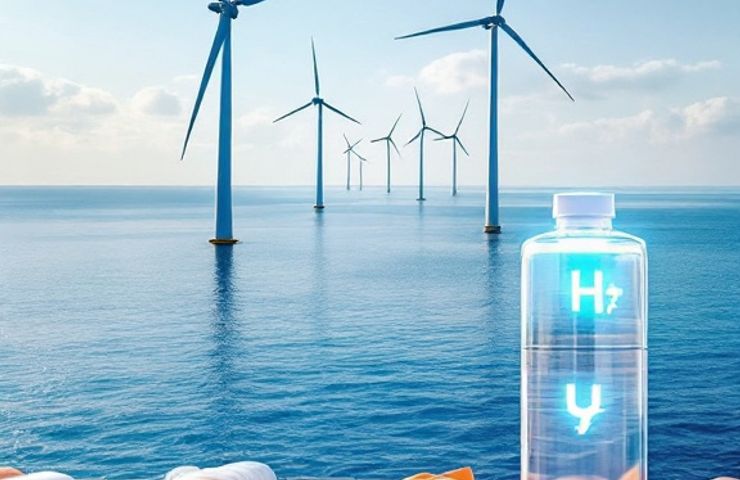
This tranche dedicates a significant portion of its funding to expanding the Dutch offshore wind ecosystem in the North Sea. The recovery plan aims to help achieve an offshore-wind capacity ambition of 21 GW by 2030, up from 11.5 GW just a few years earlier. Beyond turbine installation, investments target subsea grid connections, port infrastructure, maritime safety near wind farms and ecosystem protection measures. By bolstering the supporting system, the plan seeks to ensure new farms can feed clean electricity reliably into the onshore grid, address marine-environment concerns and maintain safe shipping routes around wind arrays.
Building-Energy Efficiency Upgrades
Lowering demand on the power system is equally crucial. According to Commission-linked reporting, the Netherlands has carried out more than 820,000 energy-efficiency improvements in its residential building stock as part of this programme. Measures include enhanced insulation, thermal-glazing windows and the rollout of electric heat pumps to replace combustion-based heating systems. Subsidy schemes such as the ISDE grant support homeowners directly, helping cover the cost of retrofits and generating local jobs in installation and energy services.
Green Hydrogen Research and Demonstration
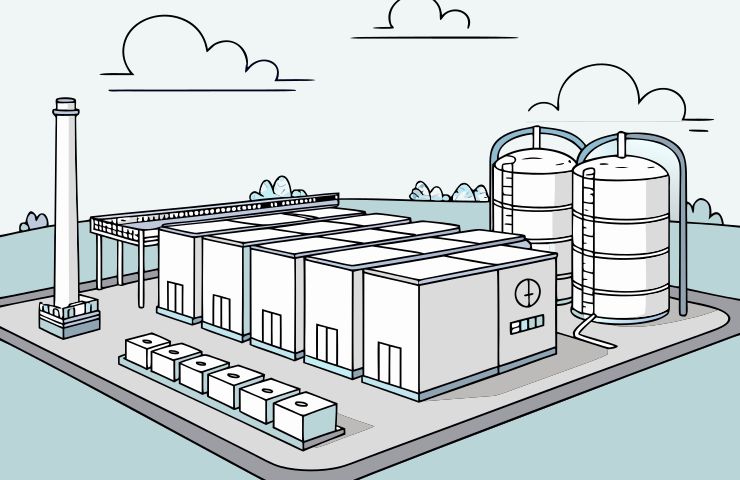
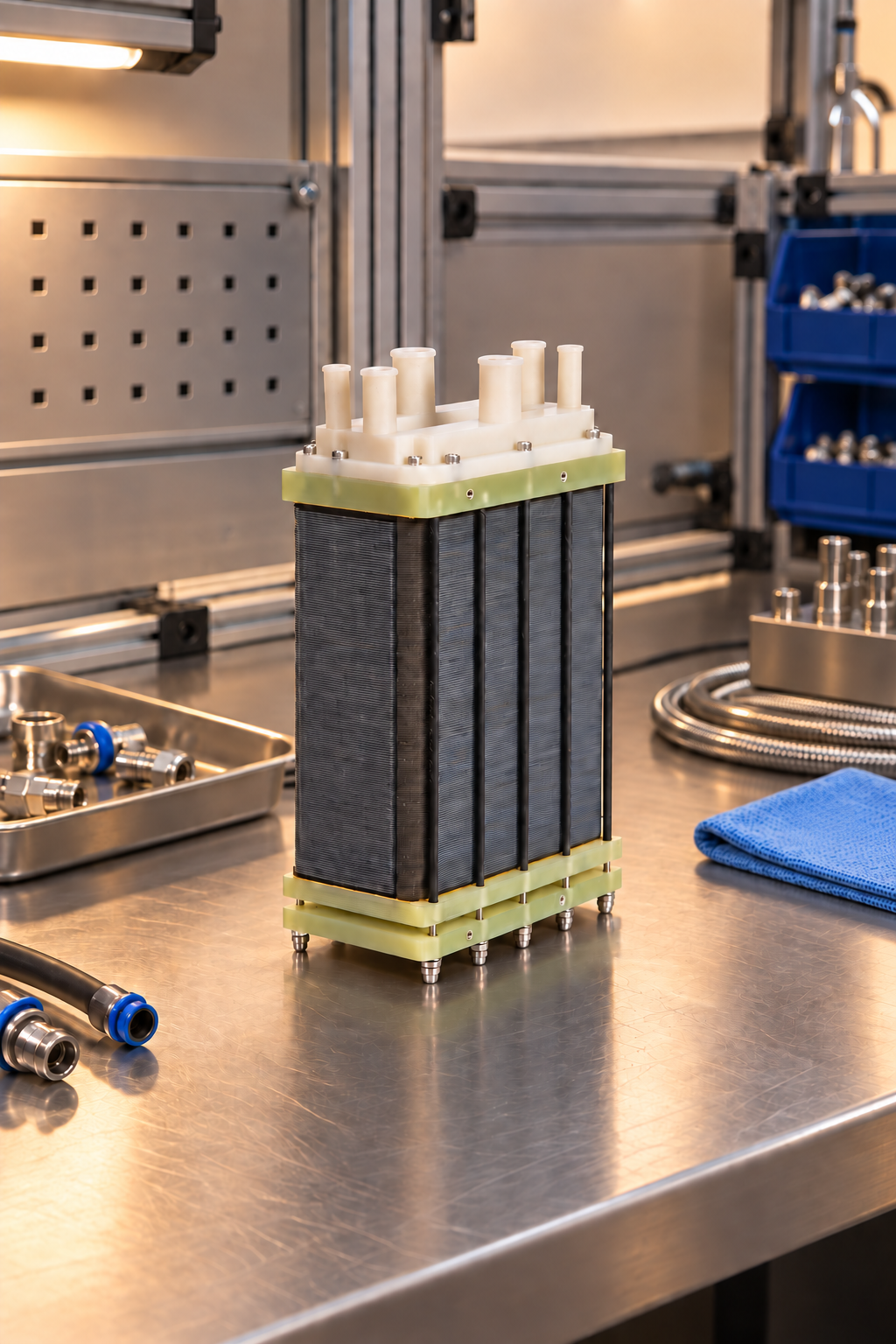
The request also supports research and demonstration projects for green hydrogen, produced by electrolysis powered by renewables. Funding under this fourth tranche backs pilot electrolyzers, connected to offshore-wind parks or other clean-power sources, to split water into hydrogen and oxygen. By financing early-stage facilities and human-capital measures, the plan is intended to reduce technical and commercial risks, build expertise and ready hydrogen for use in heavy industry, transport and long-term energy storage.
Strategic Significance for Energy Transition
These three channels—expanding supply, cutting demand and advancing industrial fuel options—are designed to work in concert. Together, they address key structural challenges in a densely populated, highly industrialised country. For investors and policymakers, the Commission’s positive assessment is a credibility signal: it shows implementation is happening beyond policy design, and that the Netherlands is making headway in one of the EU’s major test beds for clean-energy infrastructure.
At the same time, energy analysts note rising costs, supply-chain strains and elevated financing rates in the offshore wind sector, along with the early-phase economics of green hydrogen. Public funding therefore remains vital to keep project pipelines moving and to bridge gaps until technologies mature and markets stabilise. By linking payments to milestones, the RRF framework also strengthens accountability, though it raises the stakes for timely and high-quality execution before the facility closes at the end of 2026.
Deadline Pressures and Governance
With final payment requests due by the end of September 2026, the Netherlands is racing to complete deliverables and secure the remaining funds. EU auditors have previously highlighted weaknesses in milestone design and control systems across member-state plans, so the government faces scrutiny not only on the quantity of work done but on its quality. A successful final tranche would mark a significant step in turning post-pandemic recovery architecture into a durable platform for structural decarbonisation.
Looking Ahead
Once the Economic and Financial Committee issues its opinion and the Commission adopts the formal decision, the €661 million tranche will flow into projects that collectively aim to reshape the Dutch energy landscape. Upgraded homes, new offshore installations and hydrogen demonstration plants could accelerate the EU’s broader goal of cutting emissions, enhancing energy security and fostering green growth. By bridging policy, funding and technology, the Netherlands’ recovery plan offers a glimpse of how post-crisis instruments can drive long-term climate progress in advanced economies.