Green Hydrogen Production at Peru’s Cachimayo Plant Decarbonizes Ammonium Nitrate Supply
Enaex Perú’s Cachimayo plant in Cusco is producing 8.6 tonnes per day of green hydrogen using renewable electricity certified by Engie, enabling carbon-neutral ammonium nitrate for mining explosives.
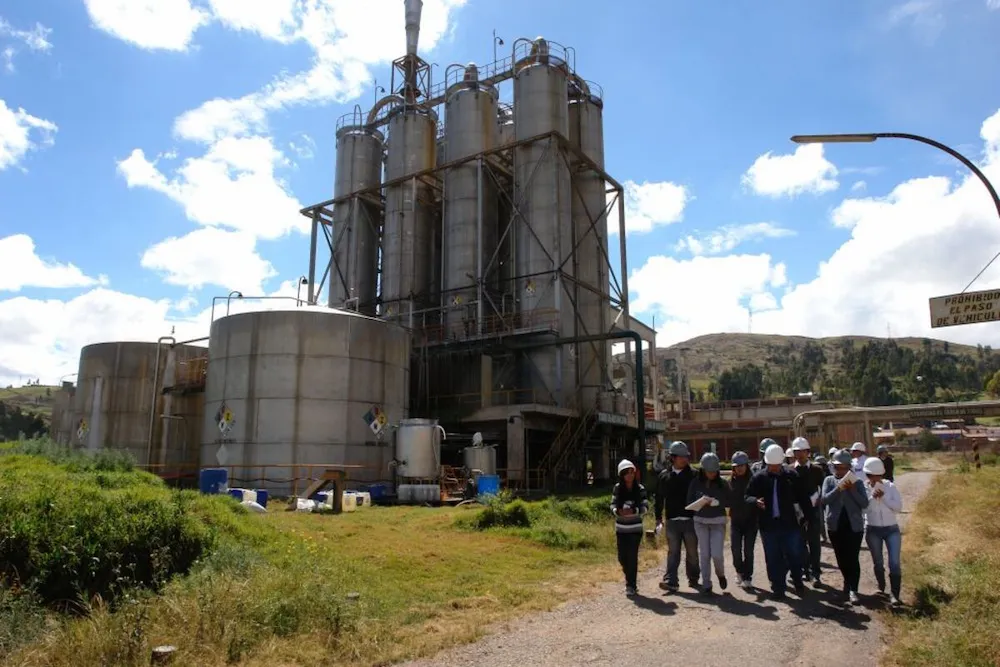
The Cachimayo plant in Peru's stunning Andean highlands is quietly making waves as one of the country's pioneering spots for green hydrogen production. Perched over 3,000 meters near Cusco, this facility is cranking out about 8.6 tonnes of hydrogen daily, using electricity that’s certified renewable. This green hydrogen then feeds into a conventional ammonia loop and a specialized ammonium nitrate unit, paving the way for carbon-neutral ammonium nitrate, which is a game changer for mining explosives. It’s more than just a technical feat; it's a tangible step toward a greener economy for Peru.
Production Scale and Context
This operation belongs to Enaex Perú, a branch of Chile’s Enaex group, which took over the local Industrias Cachimayo plant back in 2018. As the sole producer of ANFO-grade ammonium nitrate in Peru, it plays a vital role in supplying explosives across Latin American mines. To solidify its commitment to sustainability, the plant teamed up with Engie to ensure its electricity supply is completely renewable. This partnership underscores that the hydrogen produced right on-site is, indeed, green.
Plant Background and Partnerships
Nestled in the Cachimayo district of Anta Province, a picturesque area known for its agricultural valleys and close to Cusco, the plant utilizes local hydropower and solar energy to power its electrolysis stacks. Enaex Perú has been tracking the carbon footprint of its ammonium nitrate since 2009, gradually tightening emissions control measures. Collaborating with Engie to certify the use of 100% renewable electricity is a strategic move that connects this mining-focused chemical facility to larger global green hydrogen initiatives, like the HyEx project in Antofagasta, Chile.
Green Hydrogen via Electrolysis
At the core of this upgrade is a state-of-the-art water electrolysis system. Here, purified water, stripped of salts and impurities, is combined with an alkaline electrolyte (usually potassium hydroxide) before it hits the electrolyzer cells. When renewable electricity flows through, it splits up the water, generating hydrogen at the cathode and oxygen at the anode. This design ensures the process runs smoothly: hydrogen gets compressed, stored, and piped directly to the downstream ammonia reactor without missing a beat. Since the electricity used is certified as renewable, the lifecycle emissions from this hydrogen are nearly non-existent—quite the contrast to the fossil-fuel based hydrogen production methods like steam methane reforming.
From Hydrogen to Ammonium Nitrate
Once the green hydrogen is ready, it enters a Haber-Bosch synthesis loop. In this process, the hydrogen reacts with nitrogen from the air under high temperature and pressure to produce ammonia. That ammonia then transforms into nitric acid, further neutralized to create ammonium nitrate. At the Cachimayo plant, this product is either prilled or granulated