Hyundai unveils HTWO Energy Cheongju, South Korea’s first sewage-to-hydrogen hub
Hyundai's HTWO Energy Cheongju, South Korea's first sewage-to-hydrogen hub, produces 500 kg/day of clean hydrogen for fuel cell vehicles, with plans to scale up to 2 tons/day.
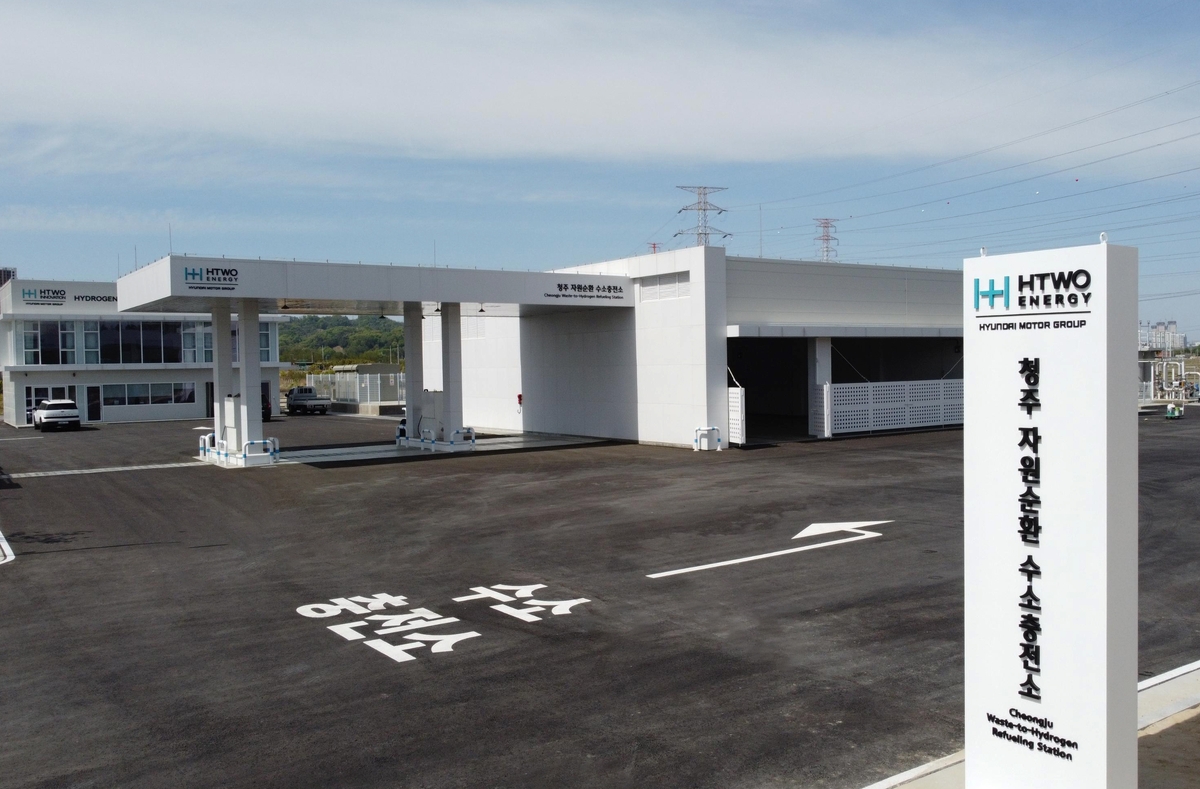
Imagine a city where something that used to be a disposal nightmare is now powering a fleet of zero-emission vehicles. That’s exactly what HTWO Energy Cheongju is all about. Nestled in central South Korea, this innovative waste-to-hydrogen (W2H) hub is part of the vision from Hyundai Motor Group. This facility, right at the Cheongju Public Sewage Treatment Plant, is the first of its kind that Hyundai directly operates, transforming sewage sludge into clean hydrogen fuel. This isn't just a research project anymore; it's a real game-changer for urban waste management and hydrogen production, helping drive local decarbonization efforts.
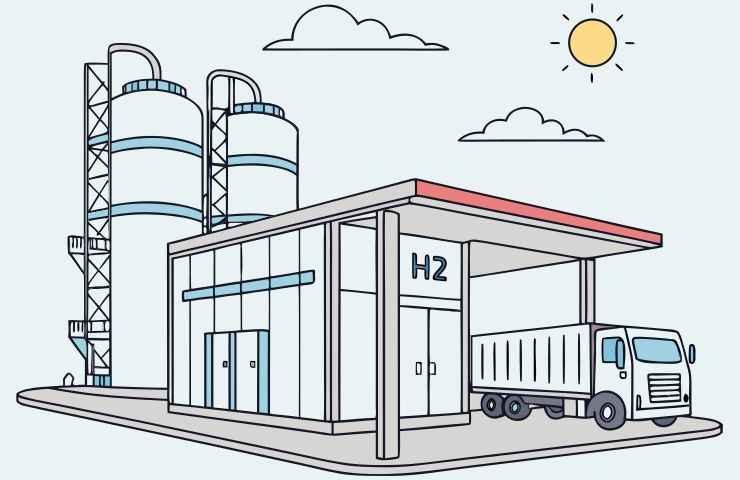
Currently, the HTWO Energy Cheongju facility occupies about 7,500 square meters and can churn out around 500 kilograms of hydrogen each day. To put that into perspective, that's enough clean hydrogen to fuel about 100 Hyundai Nexo fuel cell vehicles or around 30 hydrogen buses! The site is a one-stop shop that combines biogas upgrading, steam methane reforming (SMR), hydrogen purification, storage, and even an on-site refueling station. During a recent opening ceremony, Hyundai team members celebrated alongside local officials, marking a significant step toward turning a traditional source of emissions into a foundational piece of the city’s hydrogen infrastructure.
W2H Technology in Action
The core of this operation is Hyundai’s proprietary Waste-to-Hydrogen process. Here’s how it works: sewage sludge from Cheongju’s treatment plant goes through anaerobic digestion, which generates a raw biogas mix of methane and carbon dioxide, along with some trace impurities. First, they clean up that gas and upgrade it to biomethane by getting rid of hydrogen sulfide, moisture, and siloxanes. After that, the biomethane gets fed into a steam methane reforming unit, where it reacts with steam over a catalyst to spit out hydrogen and carbon oxides. Finally, a pressure swing adsorption system steps in to purify the hydrogen to the ultra-high standards needed for fuel cell vehicles. The CO₂ created during this process is captured, liquefied, and compressed for potential reuse.
Once all that clean hydrogen is handled and stored, it’s fed straight into an on-site refueling dispenser that can service both passenger vehicles and heavy-duty trucks. With that 500 kg daily output, this station can meet the fuel needs of the increasingly local fleet, creating a closed-loop system that transforms municipal waste into zero-emission mobility. Hyundai and Cheongju city officials emphasize that this model effectively connects waste management and transport decarbonization, cutting down on reliance on imported fossil fuels and demonstrating how a solid hydrogen infrastructure can sprout up where there’s a demand and a steady supply of waste.
Looking ahead, Hyundai has ambitious plans to ramp up production at the Cheongju hub to two tons of hydrogen per day by 2030. Operating under its HTWO hydrogen brand—which encompasses fuel cell systems and resource-circulating production technologies—the company views Waste-to-Hydrogen as a scalable backbone of its hydrogen value chain. Together with initiatives like Plastic-to-Hydrogen (P2H), this sewage-to-hydrogen complex showcases Hyundai’s aim to not only manufacture vehicles but also manage the fuel supply front to back.
This project lines up perfectly with South Korea’s national Hydrogen City Development initiative, which is pushing for hydrogen adoption in about 40 percent of Korean cities by 2040. Cheongju has been chosen as a pilot location due to its advanced wastewater infrastructure and its commitment to carbon neutrality. By setting up a working model for resource-circulating hydrogen, HTWO Energy Cheongju provides a blueprint for other municipalities and policymakers eager to blend their waste streams with clean energy ambitions.
Collaboration between Cheongju City officials and Hyundai Motor Group has been a key ingredient in this operation. The local government manages the sewage treatment plant that supplies the sludge, oversees regulatory approvals, and aids in integrating this hydrogen system with public transport operators that are gearing up to run hydrogen-powered buses. This public-private partnership is a great illustration of how existing municipal assets can transform into energy hubs, offering a viable governance model for other regions with similar infrastructures.
But Hyundai isn't stopping here. The company has multination W2H projects underway, for instance, plans to utilize landfill gas in Indonesia and food waste streams in Hong Kong. All of this points to Hyundai's strategy of building a network of waste-to-hydrogen hubs across the Asia-Pacific region, each designed to harness local resources and meet demand. Such an approach could help lower overall feedstock costs and avoid putting all their eggs in one basket.
From an environmental angle, converting methane-rich biogas into hydrogen is a big win because it cuts methane emissions—a greenhouse gas that’s way more potent than CO₂. Plus, capturing CO₂ as a byproduct could open up markets for food-grade or industrial carbon dioxide, which can create additional revenue. Economically, turning sewage treatment plants into hydrogen producers could lead to new job opportunities in areas like operations, maintenance, and station management, all while speeding up the transition to green hydrogen and zero-emission bus fleets.
For Hyundai, which has traditionally focused on vehicles, HTWO Energy Cheongju marks a strategic shift toward becoming a comprehensive hydrogen solutions provider. By ensuring a steady local fuel supply, they’re boosting confidence among fleet operators, making it easier to justify investments in hydrogen fuel cell vehicles. By owning and operating this W2H complex, Hyundai can gather valuable operational data to refine their technology and cost models—information that’s crucial as they navigate the competitive landscape against other clean hydrogen production methods, including electrolysis-based green hydrogen.
As Hyundai and its city partners set their sights on expanding capacity by 2030, several key questions linger: How will lifecycle emissions pan out when considering energy inputs for biogas upgrading and SMR? Can this model be replicated effectively in smaller cities? And what kind of policy incentives will be necessary to promote waste-to-hydrogen initiatives over other methods? Answering these questions could be crucial for the feasibility of urban W2H hubs becoming a mainstream method for hydrogen production.
Ultimately, HTWO Energy Cheongju is a brilliant example of circular energy logic—creating fuel right where waste is generated, for use right where it’s needed—thereby cutting down transport emissions and bolstering local energy security. As hydrogen infrastructure grows, projects like this could become essential parts of cities, linking waste management with clean energy. If the Cheongju facility hits its targets and inspires similar initiatives around the globe, we might just witness a new era of sustainable hydrogen production born from the routine process of treating wastewater.