Green Hydrogen Production: EU Approves EWE–Verbund Joint Venture to Bolster German Hydrogen Infrastructure
The European Commission has swiftly cleared a green hydrogen joint venture between EWE Hydrogen and Verbund Green Hydrogen, underscoring EU support for electrolyser deployment and hydrogen infrastructure in Germany. The partnership will unite a 320 MW Emden plant, hydropower-backed electrolysers and pipeline connections to serve industrial off-takers and advance European decarbonization goals.
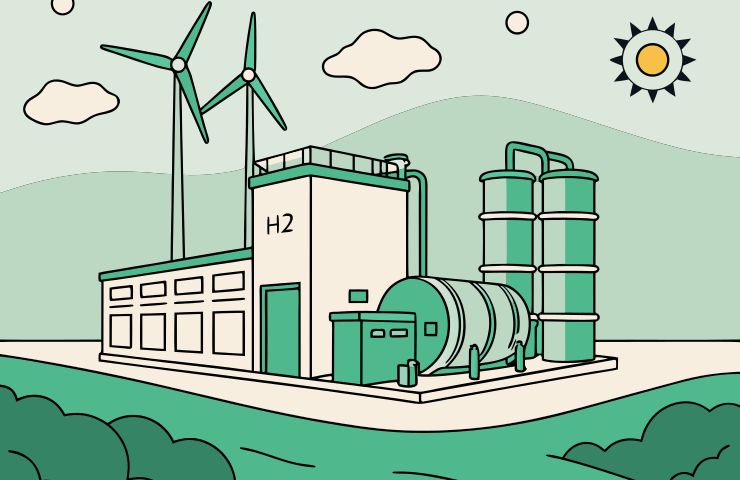
In an exciting move for Europe’s budding hydrogen economy, the European Commission has given a thumbs-up to a new joint venture between EWE Hydrogen GmbH and Verbund Green Hydrogen GmbH. This partnership received the green light through a simplified review process under EU Merger Regulation, allowing it to speed through since the new joint venture isn't yet a major player in the European Economic Area. Their focus? Pumping up green hydrogen production and sales in Germany, which will bolster national decarbonization efforts and help build a hydrogen infrastructure in northern Germany.
Joining Forces: Two Hydrogen Trailblazers
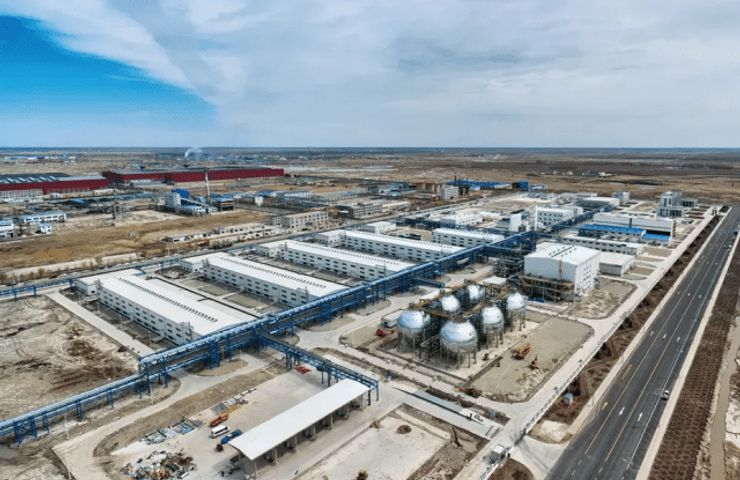
EWE Hydrogen GmbH is the hydrogen-focused wing of Germany's EWE AG, and they’ve been hard at work developing their Clean Hydrogen Coastline initiative along the North Sea coast. Just a few months back, they kicked off construction on a massive 320 MW electrolysis plant in Emden, which is set to be one of Europe's largest projects—backed by an impressive investment of around €800 million. This plant is expected to produce about 27,000 tonnes of green hydrogen annually by 2027, serving heavy industries, mobility solutions, and energy needs. Meanwhile, Verbund Green Hydrogen GmbH from Austria has established a strong lineup of hydropower-driven electrolysers, including a notable 60 MW unit in Linz that aims for up to 7,000 tonnes per year, and they’re busy setting up import routes from North Africa, like the H2 Notos project in Tunisia. By uniting their hydrogen ventures, these companies hope to spread risks, bundle demand, and ramp up projects across Germany.
Technical Foundations: Electrolysis and Beyond
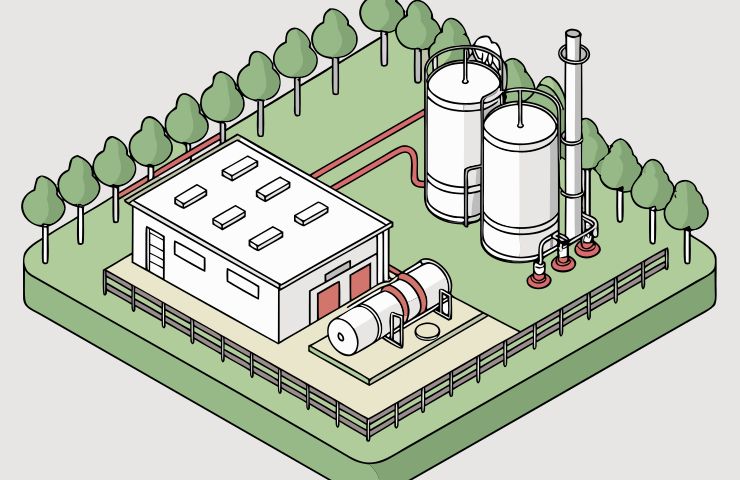
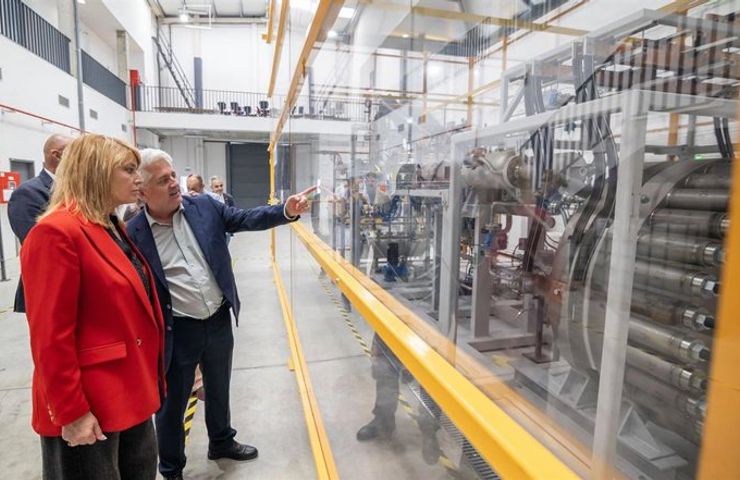
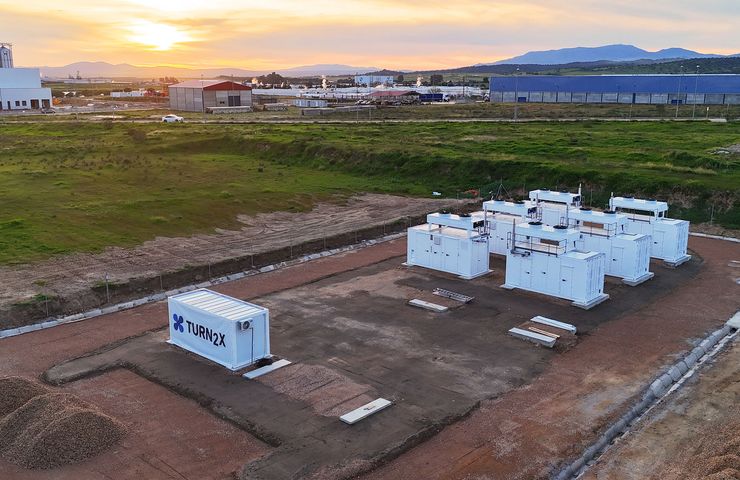
This joint venture will primarily harness electrolysis technology, which converts renewable electricity into green hydrogen. Basically, they use modular stacks of electrolyser cells to break water down into hydrogen and oxygen, pulling in electricity directly from local wind farms and other green sources. The hydrogen that’s produced can be compressed and then funneled into dedicated pipelines or stored underground. For instance, EWE’s Emden facility will connect with Germany’s upcoming 9,000 km hydrogen core network, while Verbund’s systems in Austria will cater to industries like fertilizer production and e-methanol synthesis. By coordinating these electrolysis operations under one roof, they plan to simplify agreements, enhance efficiency, and bring down costs using shared tech expertise.
Building the Hydrogen Highway
But producing green hydrogen is just one part of the puzzle. Getting it out there means having a solid hydrogen infrastructure in place—think pipelines, compression stations, and storage caverns. EWE is making smart use of existing gas corridors and laying down new lines to connect its Emden site with offshore wind facilities and inland consumers. Over in Austria, Verbund is planning cross-border links to ensure that hydropower production gets connected to industrial hotspots in Germany. This partnership inherits some key rights of way, network access agreements, and pipeline connections in Germany, making it a crucial player in developing the hydrogen core network. This infrastructure integration is crucial as the EU aims to weave together national projects into a smooth internal market where hydrogen can flow freely from coastal production zones to inland steel mills and refineries.
The EU’s Policy Shift and Competition Landscape
The Commission’s quick approval of this merger is significant, reflecting a larger change in EU competition policy; regulators now see underinvestment in green hydrogen markets as a bigger risk than having too few competitors. The 2020 EU Hydrogen Strategy set bold goals for electrolyser capacity and highlighted the importance of Important Projects of Common European Interest (IPCEI) to jumpstart big deployments. EWE’s Clean Hydrogen Coastline and Verbund’s Austrian electrolysers hold IPCEI status, showcasing their strategic importance in the energy landscape. With this speedy approval, Brussels signals it’s all in favor of fostering collaboration and boosting scale, as long as no major entry barriers pop up. Given the JV's low profile in the overall EEA market, a thorough competition investigation wasn’t necessary.
Strategic Implications for Industrial Decarbonization
Germany’s big industries—like steel, chemicals, and refining—are seen as key players when it comes to green hydrogen usage. Initiatives like the direct reduced iron plant at Salzgitter and e-methanol production at biorefineries depend on a reliable supply of hydrogen. The EWE–Verbund joint venture perfectly aligns electrolyser capacity with demand from industries, offering a scalable and integrated source of green hydrogen to meet their needs. By sharing risks between a regional German utility and Austria’s hydropower giant, they’re looking to boost project viability and keep pricing competitive. Over time, this partnership could set the standard, influencing contract frameworks, certification standards, and models for demand aggregation in the market.
What Lies Ahead?
While a lot of the specifics about governance and asset-sharing are still under wraps, this joint venture lays the groundwork for future cross-border partnerships in the hydrogen space. It demonstrates how large utilities can team up to tackle the financial hurdles associated with deploying electrolysis systems, building pipelines, and integrating storage solutions. For the EU, this case illustrates a balanced approach to policy that safeguards the market while recognizing the urgent need for decarbonization investments. The next steps include the official launch of the corporate entity, unifying assets under the JV banner, and pursuing additional projects—whether that’s storage caverns in Germany or import pipelines from Austria. As Europe accelerates towards its net-zero ambitions, partnerships like this one will be essential in scaling up green hydrogen production to drive industrial decarbonization and build sustainable energy solutions.
About EWE AG and Verbund AG EWE AG is a regional utility in Germany involved in electricity, gas, telecoms, and increasingly, renewable hydrogen production, transportation, and storage. Their Clean Hydrogen Coastline initiative pools projects in northwest Germany, focusing on renewable energy and existing gas frameworks. Verbund AG stands as Austria's largest electricity provider and a top hydropower producer, with a dedicated hydrogen subsidiary expanding into large electrolysis facilities and international import initiatives.