Green Hydrogen Production From Seawater With Hychor’s HySET Technology
Hychor Ltd, a University of Aberdeen spin-out, is commercialising HySET, a direct seawater electrolysis system that produces green hydrogen without desalination. Supported by Scottish innovation programmes and targeted at coastal, off-grid sites, it aims to deliver modular 3–5 kg/day units.
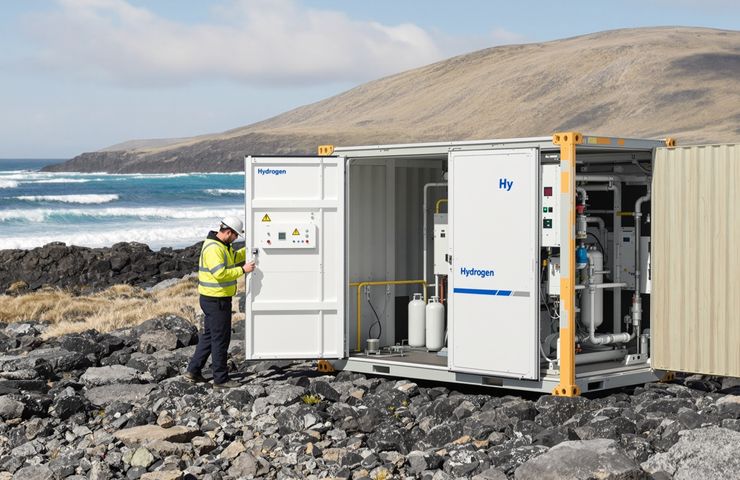
Ever thought about getting hydrogen straight from seawater?
Imagine if coastal waves could power your next fuel cell! That’s exactly what Hychor Ltd is trying to do. This innovative company, spun out from the University of Aberdeen, has developed a groundbreaking method to produce green hydrogen right from seawater—no desalination needed!
Harnessing the ocean for green hydrogen
So, why waste fresh water when we’ve got all this ocean around us? Traditional electrolysers typically require treated water and can't handle the salt, which means they come with a hefty price tag and a lot of extra infrastructure. But Hychor’s Hydrogen Seawater Electrolysis Technology (HySET) turns that notion on its head. It uses raw seawater and, powered by renewable energy, splits it into hydrogen and oxygen right at the shore.
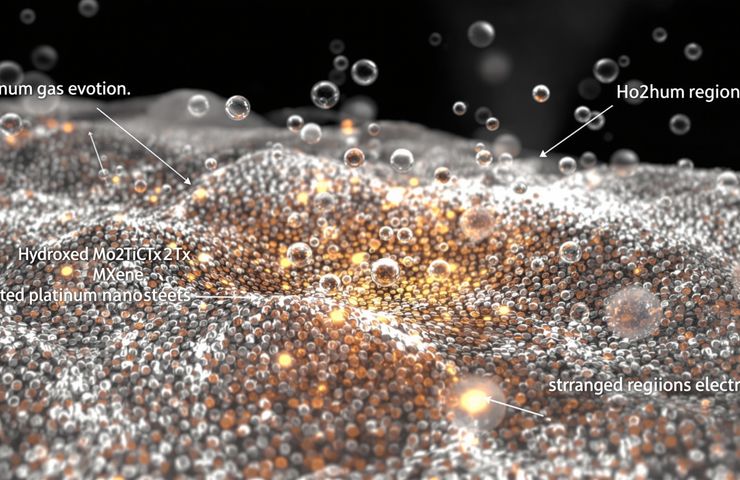
Here’s the real kicker: this technology employs specialized catalysts and membranes that prevent chloride ions from generating chlorine gas, steering clear of complicated pre-treatments and additional chemicals. While we don’t have all the intricate designs just yet, this innovation draws on some of the latest research in chlorine suppression and durable materials.
The perks of tapping into the tides
First off, using seawater means there’s zero competition for drinking water. Then, you save a big chunk of change by eliminating the need for standalone desalination plants. Plus, the compact units can be placed wherever they’re most needed, significantly reducing the infrastructure footprint.
So, what does all this lead to?
- No demand for freshwater and no desalination plants required
- Lower initial investment and streamlined logistics
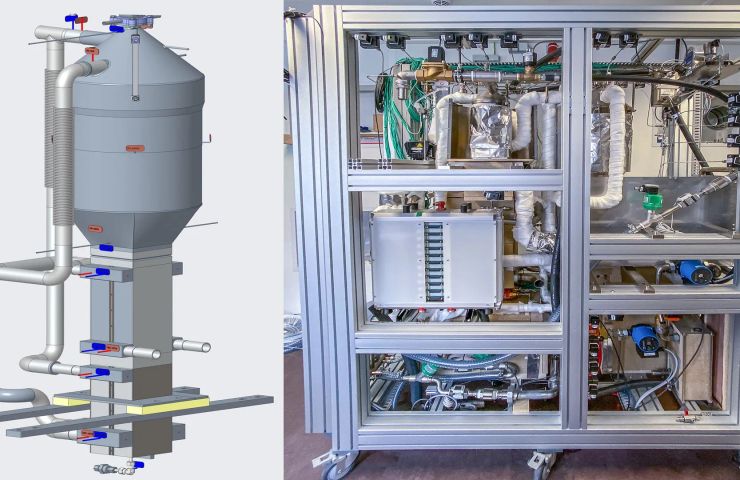
- Modular systems that fit right into shipping containers or vessels
- Reliable hydrogen supply for backup power, small fleets, or microgrids
These advantages could really open up new possibilities for coastal and remote areas around the globe!
From lab to shore: where it’s being tested
Hychor has already shown off its tech at several key energy events, including meetings with figures like Scotland’s Deputy First Minister, Kate Forbes MSP. With support from Scottish Enterprise’s SHINe programme, and recognition from Hydrogen Scotland and All-Energy, they’re building some solid partnerships for pilot projects.
The initial demonstrations are modest, aiming to produce around 3–5 kilograms of hydrogen each day. That’s just enough to meet the needs for fueling utility vehicles on islands, supporting aquaculture operations, or boosting remote power systems.
Support and the bigger picture
This journey from academic research to industry innovation is pretty fascinating. The University of Aberdeen played a pivotal role in providing lab expertise and remains connected to the company. Dr. Jani Shibuya, a graduate who’s now the CEO, is leading the charge to commercialize this exciting technology.
Backed by:
- Scottish Enterprise’s SHINe innovation programme
- The network of Hydrogen Scotland
- Highlights at events like All-Energy and Offshore Europe
- Direct engagement with policymakers, presenting to high-level ministers
This robust support system ensures that the technology remains relevant and aligned with real-world needs while also tapping into various funding avenues.
Why this matters beyond Scotland
While Hychor is initially focused on coastal Scotland, the potential impacts are worldwide. In places like Asia, Africa, and small islands, fresh water is often a limited resource and treating it can be pricey. These regions, too, face the same challenges: traditional electrolysers often need deionized water and large desalination plants to work, and that’s not practical on a smaller scale. A direct seawater approach could redefine the game, making green hydrogen accessible to coastal communities everywhere.
Research has highlighted some significant hurdles, such as chlorine evolution, membrane fouling, and material corrosion. While advancements in catalysts and separators show a lot of promise, real-world durability is still being tested at scale. This is where pilot projects become essential. Solid performance data will help guide regulators as they create safety standards and environmental permits for green hydrogen. Will hydrogen made from seawater fit into the evolving definitions of “green”? Policymakers might need to adjust the language and guidelines to reflect these innovative production methods.
On the economic front, modular electrolyser units placed at ports or fishing locations could generate hydrogen locally, cutting down the need for extensive pipeline networks or freshwater logistics. Industry experts point out that local production slashes transport costs, reduces leak risks, and supports job creation. Additionally, vessel-mounted systems could refuel ships mid-journey, powering fuel cells without requiring a return to central stations. By turning coastlines into potential hydrogen hubs, this technology aligns perfectly with a future focused on decentralized energy.
Of course, we need to be mindful of environmental safeguards. It’s crucial to manage brine and any by-products, prevent harmful chlorine emissions, and power these units with renewable energy to ensure genuine sustainability. If HySET checks all these boxes, it could serve as a model for green hydrogen solutions from Macaronesia to Malaysia.
Shaping the future of hydrogen
Let’s face it: scaling up green hydrogen isn’t possible if you’re draining drinking water or building mega-plants left and right. What’s needed are flexible and distributed solutions, and that’s where direct seawater electrolysis truly shines. If HySET holds up in real-world tests—dealing with chloride, corrosion, and fouling—we could see a surge of small-scale hydrogen hubs popping up along coastlines everywhere.
Next steps will involve real-world testing to prove efficiency, durability, and cost-effectiveness. The company is on the lookout for partners to help host pilot projects in coastal communities beyond Scotland. If those trials are successful, this model could easily become a go-to for offshore wind farms, island microgrids, and marine operations around the globe.
The big question is: could this system shake up the traditional, centralized methods? If it does, coastal communities, islands, and even marine vessels might start generating green hydrogen on demand, cutting transport costs and emissions in the process. And that’s definitely a future worth heading towards!