Tianjin University’s millisecond thermal pulse method cuts catalyst synthesis time and energy
Tianjin University’s Prof. Hu Wenbin team used millisecond thermal pulses to assemble Pt@PtFe-i catalysts with atomic precision, cutting synthesis energy by 90% and time by 90%, yielding fuel cells with 1.25 W/cm² and 15.2 kW/g Pt performance.
A research team at Tianjin University, led by Prof. Hu Wenbin, has recently made some pretty exciting strides in the world of hydrogen fuel cells. They’ve developed a new way to create catalysts that not only enhances precision to the atomic level but also drastically cuts down energy use by roughly 90%, speeding up production from hours to mere minutes. That’s a game-changer for the industry!
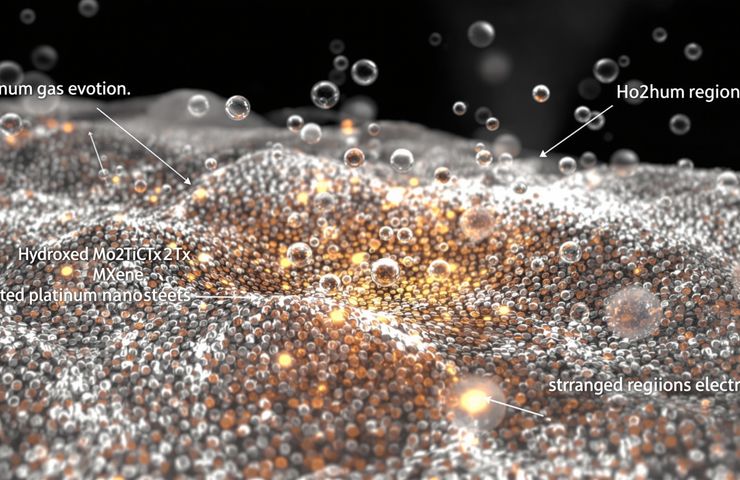
In a paper published in Science this month, the researchers introduced a novel technique called transient assembly. This method uses quick thermal pulses lasting mere milliseconds to rapidly form what’s known as platinum-skin intermetallic catalysts, specifically Pt@PtFe-i. This innovation has profound implications for lowering both costs and the carbon footprints associated with the catalysts that are crucial for hydrogen fuel cells.
A Technical Breakthrough
At the heart of this innovation is a fresh approach to energy delivery. Instead of the traditional method of heating that takes hours and struggles with controlling shell thickness, this new technique tightly manages energy through periodic thermal pulses. By employing these sub-millisecond heating cycles, the team could guide atoms to form ordered structures with precision—a three-atomic-layer platinum skin—much faster than before.
This rapid process synchronizes the creation of a structured PtFe intermetallic core and the deposition of a platinum overlay. By fine-tuning the duration of the pulses, the temperature peaks, and the cooling periods, they achieved remarkable control over the geometry of the shells and their electronic properties. This is particularly important for optimizing performance in the oxygen reduction reaction that occurs at fuel cell cathodes.
Performance Highlights
These advancements represent a significant leap forward in hydrogen fuel cell performance, particularly when it comes to utilizing platinum efficiently—an aspect that has previously hindered cost-effective adoption.
Industrial and Environmental Edge
By reducing energy requirements for catalyst synthesis and avoiding harmful reagents, this approach cuts down the carbon footprint and chemical waste linked to production. Since platinum-group metals are not only expensive but also demanding to mine and refine, maximizing the activity of each atom while minimizing energy needs can help mitigate some of these upstream impacts. For manufacturers, producing catalysts in smaller, rapid batches could mean quicker outputs and more efficient plant operations. Plus, in areas like Tianjin, with its port facilities, localized production could seamlessly connect with nearby logistics hubs, speeding up the adoption of new fuel cell systems across various sectors, from petrochemical to power generation.
Strategic Backdrop
China has been rolling out ambitious plans to boost green hydrogen and clean energy technologies, and Tianjin University is at the forefront of this movement. It’s the first modern university in the country and has established itself as a major player in materials science and engineering. The new transient assembly method aligns perfectly with broader goals of reducing carbon emissions across transportation, industry, and energy sectors. With support for innovation zones and research partnerships, the university is helping create an ecosystem that bridges lab findings with real-world applications, paving the way for early pilot projects that could speed up the commercialization of this technology.
Comparing Catalyst Strategies
Over the years, improving platinum efficiency has included strategies such as alloying with nickel, cobalt, or iron, and exploring core-shell particles. There’s also been a push for alternatives to precious metals, like Fe–N–C catalysts, to reduce reliance on rare resources. What sets the transient assembly approach apart is its fundamental shift in synthesis: instead of relying on slow equilibration, it leverages non-equilibrium dynamics to rapidly assemble intricate structures with unmatched speed and precision. This flexibility suggests a broad future for these noble metal catalysts, complementing PGM-free options in high-demand applications while also branching into areas beyond fuel cells like fine chemicals production and environmental cleanup.
Implications for Hydrogen Economy
Reducing catalyst costs and boosting durability are key to overcoming two significant hurdles for hydrogen fuel cell vehicles and stationary systems: affordability and reliability. Quicker, cleaner manufacturing means that new catalyst designs can be rolled out more rapidly, speeding up the deployment of fuel cell stacks. As various sectors start to turn to hydrogen for their decarbonization efforts—in shipping, industrial heating, and balancing electricity grids—advances in essential components like catalysts will send ripples through the entire supply chain, affecting infrastructure development and investment patterns.
Context on Platinum-Group Metals
Platinum-group metals, which include platinum, palladium, and rhodium, are rare and challenging to extract, often raising supply risks and environmental concerns linked to mining. This transient assembly strategy looks to tackle these challenges by maximizing each atom’s activity and reducing the energy demands of synthesis. While it may not eliminate the need for PGM-free alternatives, it provides a more efficient route to effective catalysts where platinum is still essential.
Complement to PGM-Free Research
Research is still ongoing into PGM-free catalysts like Fe–N–C and Co–N–C materials, which continue to show promising results for the oxygen reduction reaction. However, systems based on PGMs still tend to outperform in terms of durability and power output for demanding tasks. The transient assembly method could act as a bridge, allowing for the high-throughput production of resilient PGM catalysts while PGM-free solutions evolve. This dual approach mirrors broader trends within the hydrogen sector that are steering toward a diversified range of catalyst options.
Impact on Fuel Cell Vehicles
Achieving lower costs for catalysts and improving efficiency is crucial for making hydrogen fuel cell vehicles competitive with traditional energy sources. Reliable, high-power catalysts are vital for hydrogen buses, trucks, and trains to meet their range and refueling requirements. By enabling a reduction in platinum loading without compromising performance, this innovative method could lessen one of the major expenses in a fuel cell stack. In the not-so-distant future, this could accelerate the adoption of zero-emission fleets and inspire further investment in hydrogen refueling infrastructure.
Forward Look
Transitioning the transient assembly method from the lab to industrial-scale production will involve integrating rapid thermal pulses into continuous reactors and confirming catalyst performance on a much larger scale. Nevertheless, this proof of concept showcases how reimagining energy application in nanofabrication can yield significant advancements in both performance and sustainability. As we look to the future, it’ll be intriguing to see if the momentum of this breakthrough can keep pace with the growing demands for hydrogen infrastructure and clean energy agreements.