Green Hydrogen Production: German Mission Targets Electrolysis, Storage and Pipeline Conversion in Algiers
A German delegation led by energiewaechter GmbH and AHK Algérie visits Algiers to advance green hydrogen production and infrastructure—electrolysis, desalination, storage and pipeline conversion—under the SoutH2 Corridor plan.
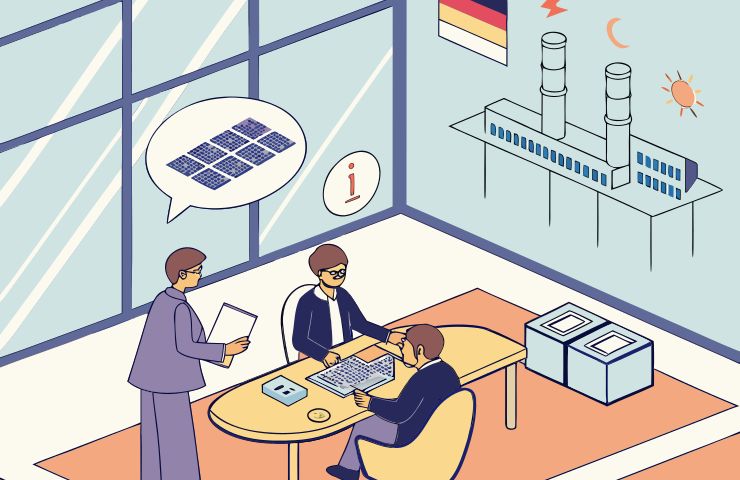
Algiers is about to showcase some exciting German green hydrogen expertise as a delegation rolls into town this month. This mission is brought to life by energiewaechter GmbH, teaming up with AHK Algérie and its Tunisian counterpart under the guidance of the BMWK’s Exportinitiative Energie. They’re bringing in companies that specialize in everything from electrolysis and desalination to compression and hydrogen storage, all aimed at aligning with Algeria’s National Hydrogen Strategy and the proposed SoutH2 Corridor.
This visit builds on the foundations laid by the Algerian–German Hydrogen Task Force, which was established after a joint declaration aimed at setting the stage for producing, transporting, and marketing green hydrogen and its derivatives. Algeria has its sights set on producing around 40 TWh of renewable hydrogen by 2040, with plans to export 30-40 TWh to Europe, thanks to its vast solar resources, boasting over 2,500 kWh/m²/year in desert regions and strong coastal winds. Germany is on the lookout for dependable low-carbon supplies to help decarbonize its heavy industry and meet its targets under the REPowerEU plan. By linking German tech innovators with Algerian partners like Sonatrach and the Ministry of Energy and Mines, the mission aims to operationalize corridors that stretch from North Africa to Central Europe and explore models for large-scale hydrogen infrastructure.
Electrolysis and Water Management
At the heart of green hydrogen production is the process of splitting water into hydrogen and oxygen through electrolysis. The German teams will showcase both alkaline and PEM systems. Alkaline electrolysers are typically the go-to choice for larger plants due to their cost-effectiveness and ability to handle varying water qualities. On the flip side, proton exchange membrane electrolysers excel in dynamic conditions suitable for intermittent solar and wind energy, though they require high-purity feedwater and precious metals for their catalysts.
Given Algeria’s dry climate, seawater desalination is crucial. Theoretically, you’d need about 9 liters of water to produce a kilogram of hydrogen, but in the real world, most systems need between 15 and 25 liters/kg to account for purification and additional processes. The bulk of feedwater needs will be managed by reverse osmosis (RO) plants, which consume around 2-4 kWh per cubic meter. The mission participants will discuss cutting-edge membranes that resist fouling and innovative energy recovery devices that can cut desalination energy consumption by up to 40%. After desalination, methods like filtration and ion exchange ensure the water meets the purity requirements necessary for PEM stacks. They'll also weigh different strategies for disposing of brine—options range from diffusion outfalls to zero-liquid-discharge systems that aim to protect coastal ecosystems.
Storage, Compression, and Infrastructure Conversion
Once hydrogen is produced, it needs to be compressed or liquefied for storage and transport. German engineering firms will present a variety of multi-stage compressors, including reciprocating, diaphragm, and centrifugal designs, all optimized with staged inter-cooling for better energy efficiency. By compressing hydrogen to 350-700 bar, you significantly enhance its volumetric density, allowing for above-ground tanks or repurposed pipeline segments to double as storage. Liquefaction, which cools hydrogen to a frigid -253 °C, remains somewhat niche due to its substantial energy costs, but modular solutions that combine cryo-compression with standard compressors are being explored.
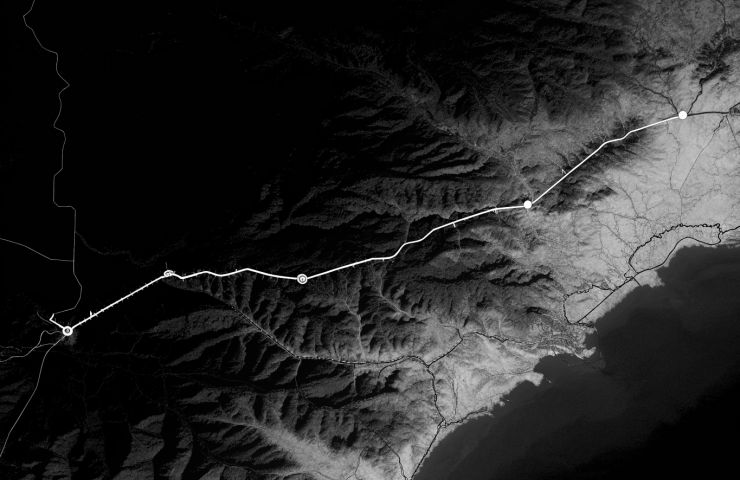
This mission also highlights the reconversion of pipelines. The proposed SoutH2 Corridor would adapt parts of existing networks like TransMed, channeling hydrogen from Algeria through Tunisia to Italy, Austria, and eventually Germany. Metallurgical assessments will focus on the risks of hydrogen embrittlement, necessitating special coatings or steel alloys approved for H₂ service. Additionally, compressors, valves, and safety systems may need retrofitting to accommodate hydrogen’s unique properties. Delegates will review cross-border certification schemes as well as real-time monitoring platforms designed to detect even the smallest leaks, a critical piece for meeting regulatory standards across the involved countries.
Power-to-X and Derivative Exports
Exporting hydrogen derivatives like green ammonia and e-fuels offers significant logistical advantages. In the green ammonia production path, electrolytic hydrogen combines with nitrogen using the Haber–Bosch process at high temperatures and pressures. The heat from the reaction gets recycled to boost overall efficiency, while liquid NH₃ can take advantage of existing shipping networks. Synthetic methane or methanol, produced by reacting hydrogen with captured CO₂, ensure compatibility with pipeline and fuel infrastructures.
At port facilities like Arzew, where a pilot hydrogen plant with a capacity of 50 MW is in the works, German companies will discuss how to optimize ammonia synthesis units for dynamic operations, enhance catalyst longevity, and integrate heat exchange systems. They’re also eyeing ways to connect with Sonatrach’s fertilizer operations to blend new methods with existing plants, which could improve economic viability. By exploring the Power-to-X approach alongside pure hydrogen export, the delegation is reinforcing Algeria’s goal of creating a varied hydrogen portfolio that stays flexible with market demands.
Business and Policy Nexus
From an economic standpoint, this mission plays a vital role in helping Algeria move away from its reliance on hydrocarbons. Some scenario analyses suggest that hydrogen exports could enhance the country’s trade balance by 2-11% with a faster rollout, potentially creating tens of thousands of jobs across sectors like electrolysis, desalination, and equipment manufacturing by 2035. The mission is fostering partnership frameworks where German developers can anchor early-stage projects, supported by funding from German development banks and initiatives like TaqatHy/TaqatHy+, which focuses on helping SMEs through capacity-building and feasibility studies.
For German tech suppliers, this is a golden opportunity to plant roots in a burgeoning market aiming to establish up to 10 GW of electrolysis capacity by 2040. Securing early offtake or contracts for engineering and procurement could lead to consistent revenues as pipeline volumes and derivative exports increase. On the financing front, discussions will hit on blended loan structures, political risk insurance, and potential support from entities like KfW, aimed at reducing risks in a complex regulatory landscape.
On the political side, this visit solidifies Algeria’s position as a key energy partner for the EU. With Russia’s influence in European gas markets dwindling, hydrogen corridors from North Africa have taken center stage in import strategies. However, local communities and civil society are raising concerns about potential resource inequities. Given Algeria's water stress—at less than 600 m³ of renewable water per person annually—any large-scale hydrogen initiative must strike a balance between export goals and local water needs, ensuring environmental protections are in place to avoid accusations of "green colonialism."
Looking Ahead
As the meetings wrap up, attention will shift to workshops, joint studies, and potential memorandums of understanding (MoUs) that could lay the groundwork for pilot installations. Industry watchers will be on the lookout for announcements regarding the first commercial electrolysis tenders and where land will be allocated for integrated solar-desalination-electrolysis complexes. Progress on pipeline conversion trials in Tunisia will also serve as a telling indicator for the broader SoutH2 Corridor.
If agreements start coming together around capacity goals, water management strategies, and cross-border regulations, this relatively simple delegation visit might signal a significant milestone. For Algeria, it could accelerate the transition from fossil fuels to a renewable export economy, while for Germany, it’s a concrete step in diversifying hydrogen imports and decarbonizing heavy industry. The real challenge lies in whether these project milestones can be met on time, and whether local communities and ecosystems will benefit from this new energy landscape, alongside European consumers.