Green Hydrogen Production in Chile Faces Test on a Fragile Electricity Grid
Chile’s push for green hydrogen faces a paradox: abundant solar and wind power is often curtailed, while the grid struggles with winter deficits. Experts call for integrating electrolyzers with renewable assets, grid upgrades and flexible tariffs to turn wasted energy into hydrogen without risking domestic supply.
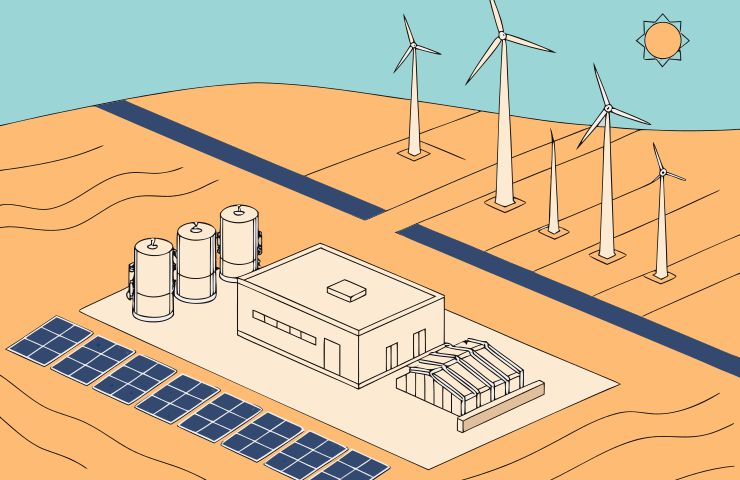
Chile's got quite the reputation for renewable energy, largely thanks to the sun-drenched expanses of the Atacama Desert and the coastal winds that seem to blow forever. It's like Mother Nature's own electric factory! But here's where things get a bit tricky. The country’s National Green Hydrogen Strategy is all about harnessing these resources to churn out some of the cheapest green hydrogen on the planet. However, the power grid that's supposed to support all those electrolyzers is struggling to keep up. It's a bit of a head-scratcher, really: we’ve got an abundance of solar and wind energy during the day but are facing potential power shortages when the sun goes down.
The Promise of Chile’s Green Hydrogen Strategy
So, what’s the big plan? Well, Chile wants to step up as a huge player in the global green hydrogen market. The strategy lays out some pretty ambitious goals, including multiple gigawatts of electrolysis capacity, creating "hydrogen valleys," and exporting volumes that could compete with established leaders in the field. Imagine solar farms buzzing with activity in the north and wind parks strutting their stuff in the south, all feeding massive electrolyzers. In an ideal world, that renewable energy could split water into hydrogen and oxygen at pocket-friendly prices, paving the way for zero-emission fuel for everything from industry to transport to international markets. Industry experts are buzzing about over seventy projects that could potentially rattle the investment coffers with tens of billions of dollars by the end of this decade.
A Grid Under Strain
But here’s the thing: the National Electric System isn’t exactly on board with this sunny vision. Independent studies from the Comisión Nacional de Energía and the Coordinador Eléctrico Nacional have raised some serious red flags about electricity shortages during those chilly winter peaks. They’ve crunched the numbers and found that we could face shortfalls as high as 8% of monthly electricity consumption if drought conditions sneak up at the same time as thermal constraints. These warnings have even pushed the Ministry of Energy to propose a rationing decree—a desperate move to stave off blackouts—and a wake-up call that having clean power doesn't always mean it’s reliable.
Meanwhile, operators are left with no choice but to limit the output of growing amounts of variable renewables. They’ve been throttling back solar and wind power because of grid bottlenecks and low demand. Can you believe it? Curtailment skyrocketed from about 1,400 GWh in one year to over 5,600 GWh the next—representing almost 18–19% of all solar and wind generation. That's essentially tossing away nearly one-fifth of our potential clean energy just because the grid can’t handle it!
Turning Waste into Opportunity
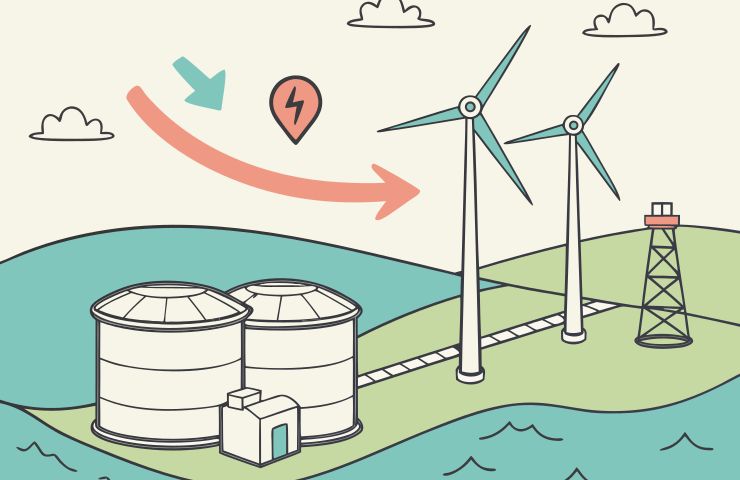
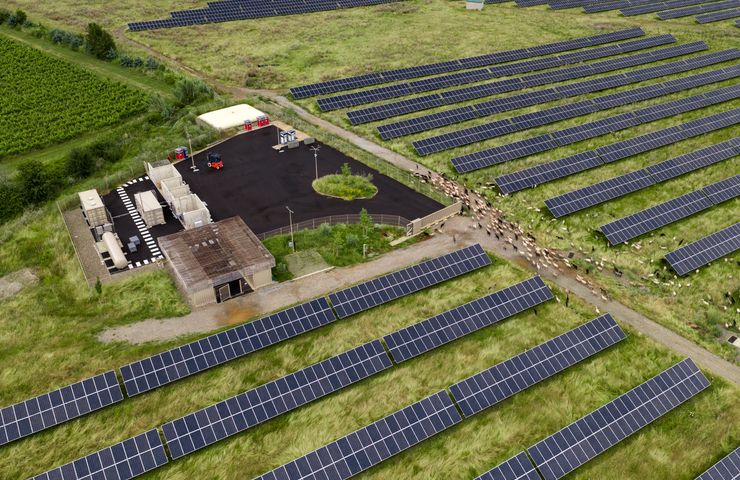
Now, let’s flip the script a bit. What if we could turn that wasted energy into something valuable? That’s where the idea of using electrolyzers as flexible loads comes in. Isaac Díaz, an energy systems specialist at USACH, suggests that those thousands of idle gigawatt-hours can feed hydrogen projects. By placing electrolysis units right next to renewables that often face curtailment, developers could make use of otherwise stranded electricity at a low cost. This not only boosts the efficiency of electrolyzers—which is key for making the whole project work financially—but also helps alleviate some of the congestion on vital transmission routes.
Think of it like this: hydrogen production acts like a massive battery, smoothing out those peaks in solar and wind output and turning potential instability into a competitive edge. Some early pilots are already showing that flexible operation can line up electrolyzer demand with times of high renewable availability, reducing overall curtailment and adding new market value for clean hydrogen.
Engineering the Integrated Future
But achieving this vision isn’t as simple as just signing off hydrogen offtake agreements. There’s a whole lot of coordination needed! Grid planners will need to beef up high-voltage lines to connect zones rich in resources to areas that demand them. Regulators have to come up with smart tariffs that reward flexibility, and policymakers need to make sure there’s backup generation or storage ready to kick in when electrolyzers aren’t operating. Basically, that means syncing up 81 measures from Chile’s Green Hydrogen Action Plan—everything from easing permit processes to nurturing talent—with a larger push to overhaul transmission, storage, and reserve margins.
And let’s not forget about the wild card of hydrological variability. As hydroelectric power output can swing wildly with rainfall, relying on water-dependent sources highlights the need for diversified backups—whether that's gas-fired plants, batteries, or demand-response programs. Without these components, electrolyzers risk running at low capacity or facing interruptions, which could derail both decarbonization efforts and investor confidence.
The Road Ahead
For investors and local communities, the takeaway is crystal clear: we can't just slap a band-aid on these issues. Green hydrogen has to be part of a resilient energy framework that harmonizes renewable expansion with grid stability. Chile’s vision as a powerhouse for clean energy hinges on bridging the gap between all that promise and actually making it happen—transforming wasted megawatt-hours into hydrogen that's ready to roll out without spiraling into rationing discussions.
At the end of the day, the real challenge is about the bigger picture. To truly align electrolyzers with sun, wind, transmission, storage, and backup, we need to shift from a piecemeal energy agenda to a cohesive project. Once that’s in place, Chile can genuinely turn its green hydrogen dreams into reality—exporting kilotons of it globally while ensuring that homes, factories, and electric vehicles are all kept powered up.