Green Hydrogen Production in Sicily Leads the Charge in Hydrogen Infrastructure
Duferco Energia has secured approval to develop Sicily’s first green hydrogen plant, turning surplus solar and wind power into clean fuel and boosting the island’s hydrogen infrastructure.
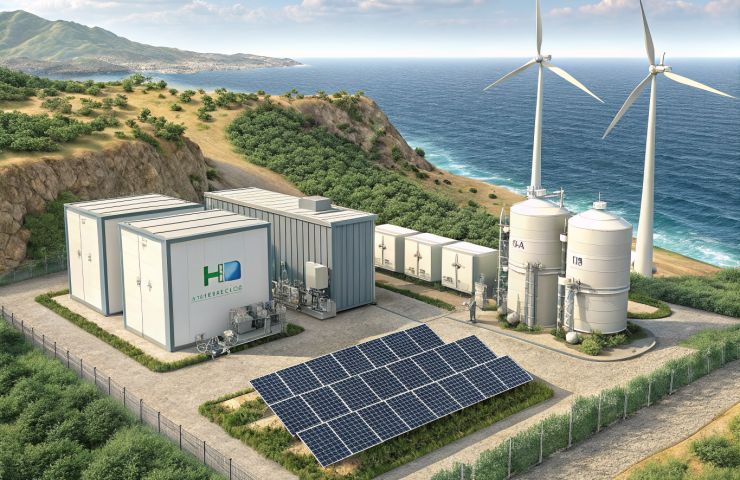
Nestled in the Mediterranean, Sicily is starting to shine as a hot spot for renewable energy innovation. With its sun-soaked landscapes and reliable coastal winds, this lively island is taking a leap into green hydrogen production, and it's changing the game for hydrogen infrastructure across Southern Europe. Recent news has sparked excitement among locals and industry experts alike: Duferco Energia has snagged environmental approval to kick off what will be Sicily’s very first green hydrogen facility. This bold move could be a game-changer, converting surplus renewable energy into a clean, versatile fuel that could transform industries, heavy transport, and much more. Local leaders and energy enthusiasts are buzzing about the potential for new startups, research partnerships, and cleaner transport links that could reshape Sicily’s economy for years to come. It’s like taking a peek into the future of energy, where Mediterranean sunshine meets cutting-edge tech.
Setting the Scene in Sicily
With around 4.9 million residents, Sicily is not just famous for its stunning landscapes and rich culture; it also has a strategic position with bustling ports. But, like many places, the island has faced its share of economic challenges, with unemployment rates often higher than the national average and per capita rents hitting around $23,000—well above Italy’s more prosperous regions. In recent times, though, Sicily’s been tapping into its incredible renewable resources—thanks to those abundant sunny days and coastal winds—to invigorate its energy system. Solar and wind power projects have been popping up, steadily contributing a larger slice of electricity to the grid. Now, local officials and innovative thinkers are shining a spotlight on the next big thing: developing green hydrogen production. By turning excess renewable energy into a storable and transportable fuel, they’re aiming not just to create jobs but to secure a competitive advantage in Europe’s budding clean-fuel market.
Duferco Energia Steps into Green Hydrogen Production
Seizing the moment, Duferco Energia, a well-known player in electricity and gas retailing in Italy, is diving headfirst into this opportunity with an exciting initiative. The company recently got the nod of approval from Sicilian authorities to set up the island's first dedicated green hydrogen plant. While details like the capacity of the electrolyzers or the investment costs are still under wraps, Duferco Energia plans to harness nearby solar and wind power to fuel advanced electrolysis units. This innovative green hydrogen production method will split water into hydrogen and oxygen using zero-carbon electricity, which means almost no greenhouse gas emissions during operation. Plus, the project will be designed to sit alongside renewable energy sources, which is a smart way to cut down on transmission losses and get the most out of operating hours. By storing hydrogen right at the facility, they can capture excess power when demand is low and turn it into a valuable commodity. And hey, the oxygen created as a byproduct might have some industrial applications too, adding another layer to potential income. For a company already committed to providing 100% renewable electricity and CO₂-compensated gas, this strategic move into hydrogen makes Duferco Energia a true pioneer in Sicily’s energy transition.
A Game-Changer for Sicilian Energy Transition
By establishing this groundbreaking green hydrogen plant, Duferco Energia is marking its territory in the evolving energy landscape of Sicily. This project aligns perfectly with regional goals to reduce reliance on fossil fuels and attract high-tech investments. Local authorities see hydrogen as a key player in diversifying the economy and keeping energy-intensive industries viable amid tightening EU emissions regulations. A successful facility could trigger a wave of complementary activities—from hydrogen refueling stations for heavy vehicles to manufacturing and maintaining electrolyzers. Even a small pilot project can generate plenty of skilled jobs across various fields like engineering, operations, and research, all while showcasing the technical skills that can attract further investment. Beyond job creation, the plant will help balance Sicily's power supply: instead of wasting excess solar energy during peak hours, they can convert it into hydrogen. This integration relieves pressure on the grid, enhancing resilience and ensuring a steady supply of clean energy to homes and businesses that have faced reliability issues in the past.
Building Momentum in European Hydrogen Infrastructure
On a broader scale, the momentum behind clean hydrogen has been gaining steam since the EU rolled out its Hydrogen Strategy in 2020. As member states scramble to boost electrolyzer capacity, Italy is weaving hydrogen into its national energy and climate plans, fostering demo projects and nurturing emerging “hydrogen valleys.” Within this landscape, Sicily's initiative is emerging as a pivotal testing ground in Southern Europe. Its prime Mediterranean location presents opportunities for cross-border hydrogen links with mainland Italy, France, and even North Africa. Collaboration among energy companies like Duferco Energia, local authorities, and European innovation programs could unlock much-needed financing and technical know-how. Top-notch tech providers are stepping up, showcasing advanced proton exchange membrane and alkaline electrolyzers designed to scale with demand. By blending these systems into Sicily’s renewable energy mix, the project evolves from a local milestone into a crucial part of a budding trans-European network, hinting at a future where clean hydrogen flows freely across borders.
Looking Ahead: Future Promise
As we gaze into the future, this milestone is just the tip of the iceberg. Once fully operational, the green hydrogen facility could pave the way for larger-scale projects that really push the envelope on Italy’s climate targets for 2030 and 2050. By showcasing how renewable energy can be dynamically converted and stored, Duferco Energia will set a template for similar plants popping up around the Mediterranean. And communities stand to gain a whole lot—not just cleaner air and new job prospects, but also enhanced energy security that lessens the reliance on imported fuels. With its near-perfect sunny climate, Sicily could well become a year-round hub for green hydrogen production, drawing in investments and R&D collaborations from all over. By carving out this path, the island is poised to host educational initiatives and training centers tailored to equip workers with the skills needed for a flourishing hydrogen economy. In the grand scheme, this initiative isn’t just a step forward in clean energy; it offers a tantalizing glimpse of a future where hydrogen serves as a bridge between intermittent renewables and the diverse energy needs of modern economies.