Metacon Secures SEK 111 Million Grant for 10 MW Electrolysis Plant in Uppsala
Metacon AB wins SEK 111 million from Klimatklivet to co-finance a 10 MW electrolysis plant at Uppsala Vatten och Avfall’s waste facility, aiming to produce 1,480 tonnes of green hydrogen annually and cut 23,000 tonnes of CO₂.
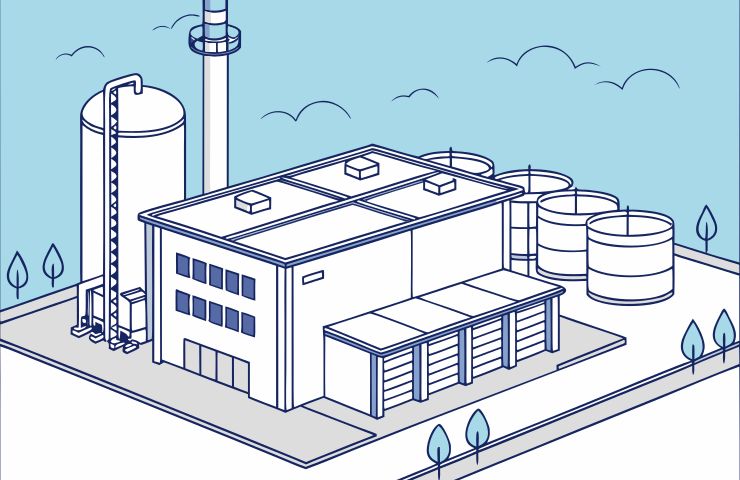
Sweden is really ramping up its efforts to make green hydrogen production a key player in reaching its net-zero goals. In a recent move, Metacon AB (publ), a hydrogen tech company listed on Nasdaq’s First North Growth Market, scored an impressive SEK 111 million in funding support from the national climate fund, Klimatklivet. This financial boost covers about 55 percent of the SEK 202 million needed to set up a 10 MW electrolysis plant right at Uppsala Vatten och Avfall AB’s Hovgården waste management facility, just outside Uppsala. This project represents some big trends in both hydrogen infrastructure and industrial decarbonization.
With a strong background in electrolysis and integrated hydrogen solutions, Metacon’s focus has been on delivering modular electrolyser systems for various industrial processes and transport needs. Unlike most companies that dabble in small-scale tests, Metacon is all about validating its technology in real-world situations, making the Uppsala site a crucial test case.
Backing from Klimatklivet
Since around 2015, Klimatklivet has been throwing financial support at local climate projects—from EV charging stations to biogas facilities—using a clever method to determine which initiatives cut emissions most effectively. Their expanding interest in green hydrogen projects shows how Sweden's decarbonization strategy is evolving, and highlights the crucial role hydrogen is beginning to play in heavy transport and energy storage.
Co-Location with Waste Management
The facility at Uppsala Vatten och Avfall AB’s Hovgården is a hub for treating drinking water, processing wastewater, and managing solid waste. By placing the electrolysis plant here, Metacon can make use of the existing grid capacity, tap into municipal infrastructure, and explore exciting possibilities like utilizing local oxygen or heat. This strategy not only cuts down on new civil works but also helps shrink the project's overall carbon footprint.
Deep Dive: How Electrolysis Powers the Plant
At the heart of this 10 MW facility, purified water will be split into hydrogen and oxygen thanks to electrolyser stacks. While Metacon hasn’t revealed if it’ll use alkaline or proton exchange membrane (PEM) technology, both are tried-and-tested for larger applications. Renewable or low-carbon electricity from the grid will drive this reaction, producing top-notch high-purity hydrogen, which is then dried, compressed, and stored for distribution. The plant aims to churn out around 1,480 tonnes of hydrogen each year, catering to both industrial users and hydrogen refueling stations.
Regional Hydrogen Hub
In Central Sweden, there's a heavy reliance on imported or trucked hydrogen, which limits what manufacturers and heavy-duty fleets can access. The Uppsala venture aims to inject locally produced green hydrogen into that market, supporting various industries such as metal refining and chemical production, while also fueling buses and trucks looking for fossil-free alternatives. With the plant in action, it’s expected to slash about 23,000 tonnes of CO₂ emissions each year by cutting down diesel usage and long-haul hydrogen transport.
Mid-Size Scale vs. Mega-Projects
Big hydrogen projects have faced some bumps in the road in Sweden—like the halt of a 200 MW project from a major energy player—which really shows the advantages of taking a more measured, mid-size approach. This 10 MW reference plant presents a lower capital risk, quicker deployment, and clearer operational insights, making it a smart step towards larger scale hydrogen production methods and storage solutions.
Economic and Strategic Outlook
The SEK 111 million grant helps Metacon lower its upfront costs, making the whole investment a lot less risky. For potential investors and partners, seeing a successful reference site operating under real market conditions will provide valuable insights on plant uptime, the cost per kilogram of hydrogen, and how well it integrates with renewable power. On the local level, this project will create jobs in engineering, procurement, and site management, while also opening up new business opportunities in the transport and storage sectors.
Policy, Funding, and Future Prospects
As part of Sweden’s climate funding game plan, grants from Klimatklivet will be evaluated for their actual emissions reductions and cost-effectiveness. The Swedish National Audit Office has previously suggested that stricter criteria are needed for supporting fuel infrastructure, so how Metacon performs in Uppsala might impact future public funding rounds. At the EU level, hydrogen is a major player in the Green Deal and Fit for 55 packages, paving the way for cross-border collaboration on pipelines, interconnectors, and power-to-gas schemes.
Risk and Opportunity
Even with strong policy backing, hydrogen markets are navigating some uncertainties around demand growth, carbon pricing, and competition from battery-electric vehicles on shorter routes. Securing offtake agreements will be key for ensuring stable revenue, going beyond simple spot sales. Metacon’s reference plant will operate in a real market environment, helping clarify how hydrogen producers can maximize value through grid services and strategic partnerships.
Looking Ahead
Right now, the team is busy with detailed engineering, permitting, and procurement, with plans to kick off construction late next year and aim for commissioning by early 2029. If the Uppsala facility meets its goals—both in terms of production volumes and cutting emissions—this could set a template for co-located green hydrogen production across municipalities and industrial clusters. For professionals keeping an eye on hydrogen fuel cell news, this project serves up an interesting case study in how public funding, technology providers, and local utilities can come together to shape a sustainable, zero-emission future.