NTPC Seeks Overseas Buyers in Japan, South Korea and Germany
NTPC is holding exploratory talks with buyers in Japan, South Korea and Germany for green ammonia exports from its proposed Pudimadaka hub. The integrated facility aims for 20 GW of renewables, 1,500 t/day of hydrogen electrolysis and downstream ammonia and methanol synthesis, but needs firm contracts and financing to proceed, according to Reuters and official materials.
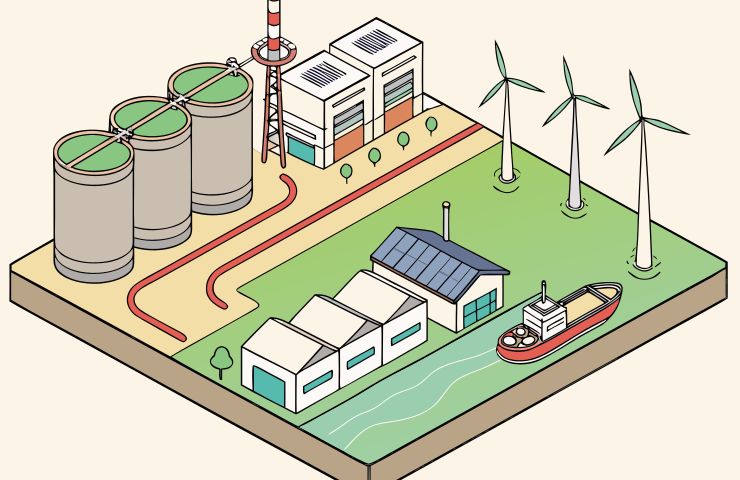
NTPC Limited is in talks with potential offtake partners in Japan, South Korea and Germany for green ammonia and other low-carbon fuels from its proposed Pudimadaka Green Hydrogen Hub in Andhra Pradesh, according to Reuters.
Offtake Discussions and Commercial Intent
NTPC’s Chairman and Managing Director Gurdeep Singh indicated that the company has held exploratory discussions with buyers in major import markets, aiming to move beyond pilot-scale projects toward commercially viable exports, according to Reuters. Those conversations remain non-binding and have not yielded firm contract volumes, final pricing or delivery schedules, Reuters reports. Company officials, as reported, are seeking to convert interest into legally binding commitments; until then the talks are conditional. In short: potential demand exists on paper, but nothing has been locked down. The distinction matters because tentative interest and signed contracts carry very different weight for project financing.
Project Blueprint at Pudimadaka
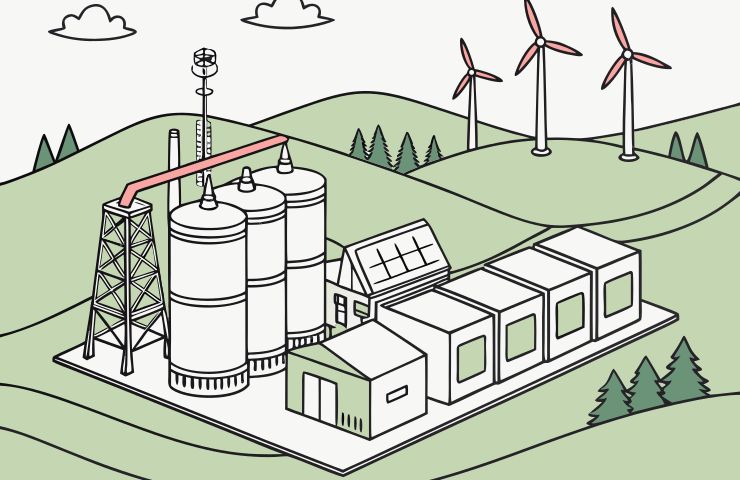
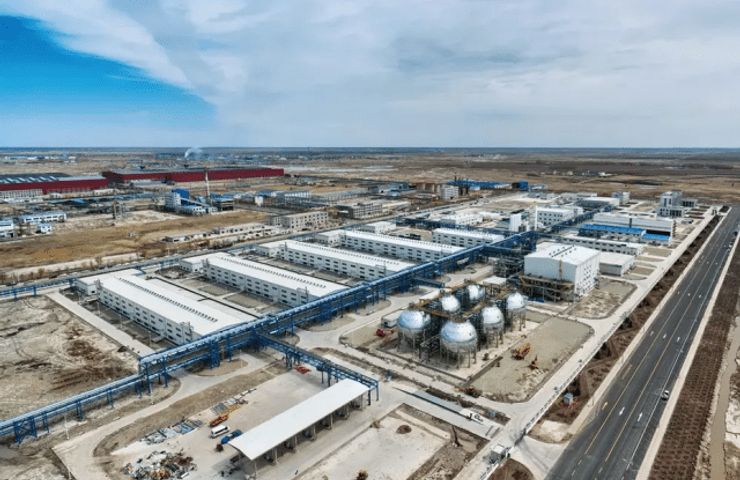
NTPC Green Energy Limited, a wholly-owned subsidiary of NTPC Limited, is leading development of the Pudimadaka Green Hydrogen Hub near Visakhapatnam, Andhra Pradesh, according to NTPC’s official project material. The integrated complex is designed to combine up to 20 GW of solar and wind capacity, a 7 GW substation, a desalination plant treating up to 80 million litres of seawater per day, electrolysis units targeting roughly 1,500 tonnes per day of green hydrogen and downstream synthesis of ammonia, methanol and other derivatives. The plan assembles generation, water treatment, electrolysis and synthesis in a single site. That vertical integration is intended to keep intermediate handling short and to feed ship-ready chemical products directly into storage and export infrastructure. NTPC’s material sets out the components; it does not present them as already completed.
Technology and Logistics Integration
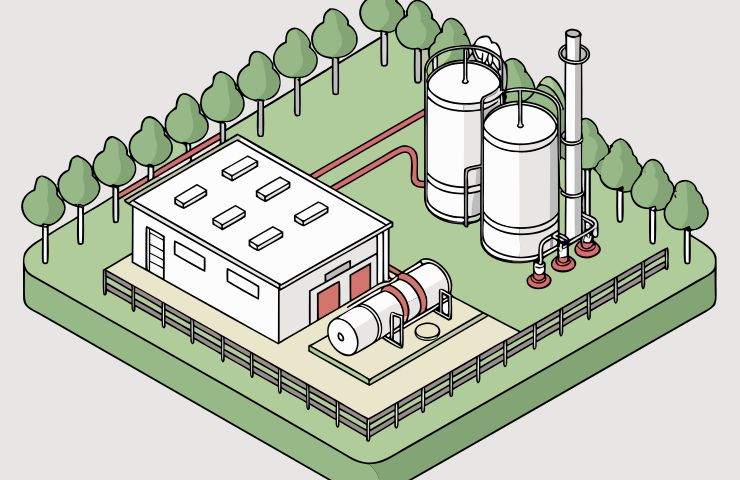
The hub’s model is to convert intermittent renewable power into transportable chemical fuels. Electrolysers split desalinated water into hydrogen and oxygen, with the hydrogen routed into Haber-Bosch loops to produce green ammonia, according to industry descriptions. Green methanol synthesis will combine renewable hydrogen with captured carbon dioxide. Storage tanks, pipelines and port infrastructure are planned to ship the liquid derivatives overseas, NTPC materials state. In practice, that will require synchronising generation profiles, desalination runs, electrolyser operating schedules and synthesis plants so the chain can run reliably. Each step comes with energy losses and capital intensity; taken together they determine delivered cost at the other end of a shipping route.
Domestic Anchors and Policy Support
Earlier this year, NTPC Renewable Energy Limited signed a 70,000 tonnes-per-annum green ammonia supply agreement with Krishna Phoschem Limited via the Solar Energy Corporation of India (SECI), according to SECI. That domestic off-take illustrates India’s Strategic Interventions for Green Hydrogen Transition (SIGHT) programme under the National Green Hydrogen Mission, which has an approved initial budget of ₹19,744 crore for electrolyser manufacturing, pilot projects and demand creation, according to India’s Ministry of New and Renewable Energy. The Krishna Phoschem deal provides a local anchor offtake while international conversations continue. Policymakers have placed subsidies and manufacturing incentives alongside demand creation to try to build scale at home before exports become the primary focus.
Policy and Market Context
India’s National Green Hydrogen Mission aims to reach at least 5 million tonnes per year of green hydrogen production by 2030, according to the mission document. The programme incentivises renewable-power integration, electrolyser capacity and domestic offtake, but export-focused hubs like Pudimadaka require credible international buyers, transparent certification and port logistics to attract private finance, according to the International Energy Agency’s Global Hydrogen Review 2026. In other words, national targets and subsidies can spur supply. Yet export projects still face an additional layer of requirements: overseas buyers demanding proof and verifiable claims about the carbon intensity of imported molecules, plus the logistics chains to move those molecules safely and reliably.
Commercial Hurdles and Risk Factors
Securing long-term purchase agreements is critical to de-risk the multibillion-dollar hub. Without binding offtake contracts, lenders may demand higher returns or delay financing, as high capital cost and energy losses from derivative production weigh on delivered cost, market analysts note. Importers in Japan and Europe will also scrutinise emissions accounting, renewable-power guarantees and certification schemes before committing to green ammonia cargoes, according to market reports. That scrutiny can translate into lengthy due diligence, contractual conditions, and clauses on verification that prolong negotiations. If buyers require bespoke certification pathways or additional guarantees, the commercial terms can shift significantly compared with what developers initially budgeted for.
Comparisons and Parallel Deals
NTPC Green Energy signed a memorandum of understanding with Japan’s ENEOS Corporation for potential green methanol and hydrogen-derivative offtake, according to ENEOS. However, that non-binding MOU differs from a final sales contract. Similarly, several Middle Eastern and Australian projects are vying for export markets, raising competition on cost and shipping infrastructure, according to industry observers. The competitive set is already crowded. Developers in other regions are marketing their own scale advantages and proximity to shipping lanes; buyers can compare options on price, certification and logistics, and that comparison will shape which projects secure long-term contracts first.
Strategic Implications and Outlook
NTPC’s outreach signals a strategic shift from pilot-scale demonstrations to commercial operations, aligning with national ambitions to export clean hydrogen molecules. Yet the absence of firm export contracts leaves the hub’s revenue model unconfirmed. If NTPC can lock in long-term deals and secure project financing, it may emerge as a major supplier of green ammonia. Otherwise, the hub’s fate will hinge on evolving certification rules, logistics readiness and buyer appetite for imported low-carbon fuels. The next steps will be telling: convert interest into signed offtake agreements, close financing on acceptable terms, and demonstrate that the integrated chain can meet verification standards. Only then will the vision outlined in project material move toward large-scale reality.