Green Hydrogen Production: OMV Pushes Ahead with 140 MW Electrolysis Plant in Austria After Masdar Exit
OMV will proceed solo on its 140 MW green hydrogen project in Austria after Masdar’s exit, backed by EIB and Austrian financing.
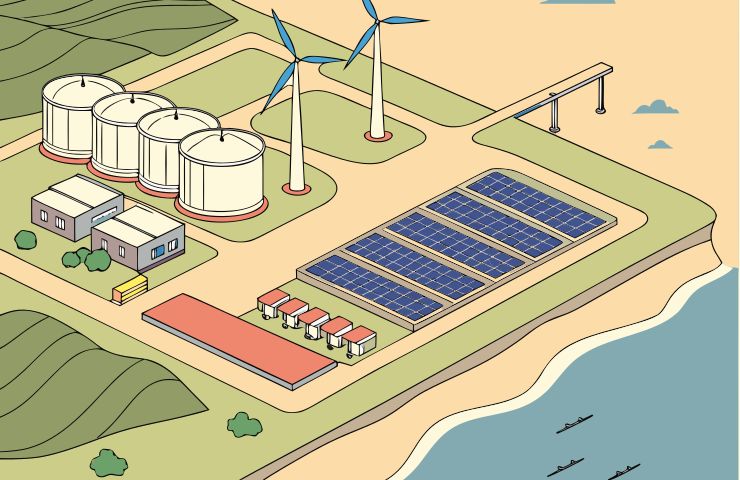
OMV is moving ahead solo with its flagship 140 MW electrolysis project near Bruck an der Leitha in Lower Austria, following Masdar’s decision to pull out of their planned partnership. The facility aims to churn out up to 23,000 tonnes of green hydrogen each year and will be linked by a 22-kilometer pipeline to OMV’s Schwechat refinery. Even with the change in partnership, OMV insists everything will stay on track, with the launch expected by late 2027.
Behind Masdar’s Withdrawal—and OMV’s Resolve
Masdar, known as the Abu Dhabi Future Energy Company, initially signed on to take a 49% stake in the Bruck an der Leitha plant back in late 2025. However, just this month, they announced they were stepping back, citing strategic reasons in Abu Dhabi. While the specifics aren’t publicly detailed, OMV is feeling confident; their robust balance sheet, bolstered by substantial public and multilateral funding, can handle this shift. This situation highlights just how quickly priorities can change in the fast-moving hydrogen industry, even after partnerships have been established.
Financing the Future
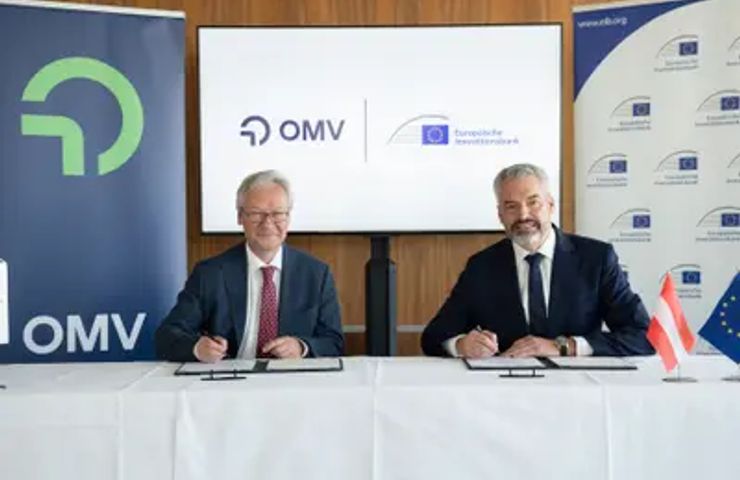
At the heart of this project is financing. The European Investment Bank has stepped in with a hefty €450 million loan, which covers about three-quarters of the total estimated €600 million capital expenditure. On top of that, Austria Wirtschaftsservice has thrown in up to €123 million under the European Hydrogen Bank framework to help de-risk the production of renewable hydrogen. These public and multilateral resources really help bridge the financial gap between producing hydrogen from renewables and conventional fossil-based sources, giving OMV the support it needs to keep moving forward.
Building the Machinery
OMV has teamed up with a consortium led by Siemens Energy for engineering, procurement, and construction, while STRABAG will handle civil works. The EPC team is set to deliver PEM electrolysers, transformers, rectifiers, and compressors, and prepare the site for plant buildings. With OMV already operating a 10 MW PEM pilot at Schwechat that produces around 1,500 tonnes per year, they’re using that experience to scale up to 140 MW. But, let’s be real—getting electrolysis at such a large scale is no small feat and will definitely put supply chains to the test with regard to stacks, membranes, and all the necessary equipment.
Connecting Production and Refining
Instead of trucking hydrogen across town, OMV is opting for a dedicated underground pipeline from Bruck an der Leitha to Schwechat. This pipeline will stretch about 22 kilometers and will help in avoiding emissions related to transport while directly integrating production with fuel-making. It’s a smart move that utilizes Lower Austria’s growing renewable energy portfolio—like wind, solar, and hydro—to meet EU guidelines on additionality and ensure that the hydrogen qualifies as RFNBO, or renewable fuels of non-biological origin.
Why It Matters for Industrial Decarbonization
According to OMV, switching from fossil hydrogen to green hydrogen at the Schwechat refinery could cut down CO₂ emissions by as much as 150,000 tonnes each year—not exactly verified by an independent audit, but still impressive. When it comes to industrial decarbonization, large refineries are prime candidates for integrating renewable hydrogen in significant amounts. The EU's updated Renewables Directive is aiming for at least 42% of industrial hydrogen to come from RFNBO sources by 2030, ramping up to 60% by 2035. OMV's initiative is a crucial step towards achieving both its own climate goals and helping Austria meet EU standards.
Signs of Resilience—and Cautionary Signals
The fact that OMV can carry on without Masdar shows that a well-supported project can weather partner changes. Still, it serves as a reminder about the volatility and fluidity of commitments in a market that's still grappling with high power prices, regulatory challenges, and a lack of long-term purchase agreements. Across Europe, many green hydrogen projects have faced delays or been abandoned altogether when offtake agreements fell through or funding dried up.
Electricity Supply and Market Dynamics
One of the trickiest pieces of the puzzle is securing renewable electricity at a reasonable price. OMV will have to negotiate contracts that align with EU regulations regarding geographic and temporal correlation, which likely means mixing wind, solar, and hydro sources. If there are any hiccups in supply or if power prices spike, that could raise operational costs and points to why public support, whether through hydrogen auctions or bank-backed loans, remains crucial.
Looking Ahead
As OMV moves forward with construction, the wider industry will be keeping an eye on whether larger electrolysis plants can match the reliability of smaller trials. Will supply chains hold up? Can hydrogen infrastructure expand beyond just connecting pipes into something more regional? And will other energy companies follow OMV's example, betting that public financing can make the difference?
By combining refinery feedstock, a dedicated pipeline, and scaling up PEM electrolysis, OMV’s Bruck an der Leitha plant is a prime example of the integrated systems approach that many believe is essential for realizing the true potential of green hydrogen. Whether this venture alone can withstand the ups and downs of the sector is still up in the air—but for now, OMV is sending a clear message: the journey toward industrial decarbonization is very much alive, even if the travel companions change along the way.