Green Hydrogen Production Pilot at PTI-PY Secures National Interest in Paraguay
Paraguay’s legislature has designated the PTI-PY green hydrogen pilot as a national priority, reinforcing its strategy to leverage hydropower for green hydrogen production and energy diversification.
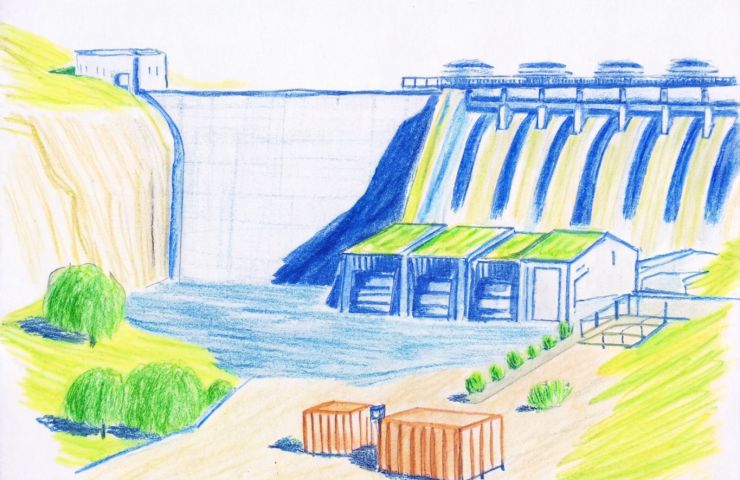
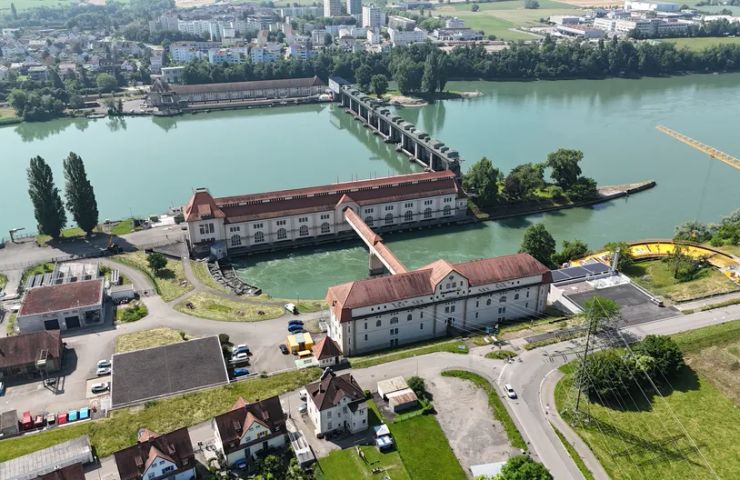
Imagine harnessing the vast amounts of renewable energy from one of the world’s largest hydroelectric dams to create a zero-emission fuel that not only powers vehicles but also supports new industries and lays the groundwork for a green energy economy. That’s exactly what Paraguay is doing right now with its blossoming green hydrogen ecosystem. At the Parque Tecnológico Itaipú Paraguay (PTI-PY), they’re turning water and clean electricity into hydrogen, proving just how hydropower can be the backbone of sustainable energy solutions and help cut down carbon emissions.
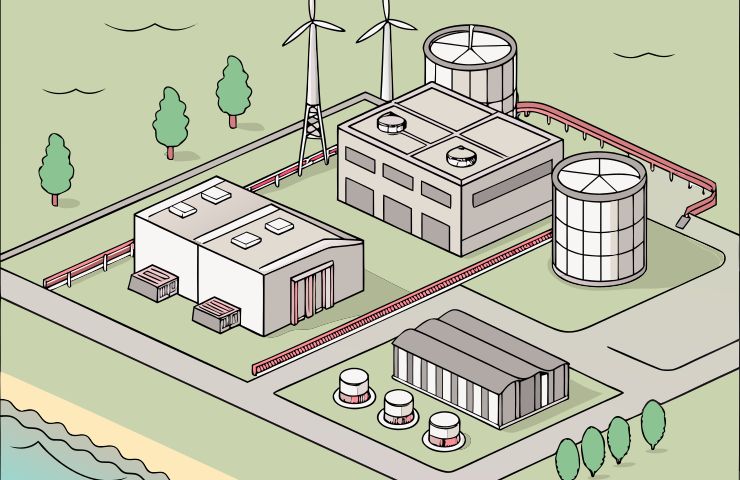
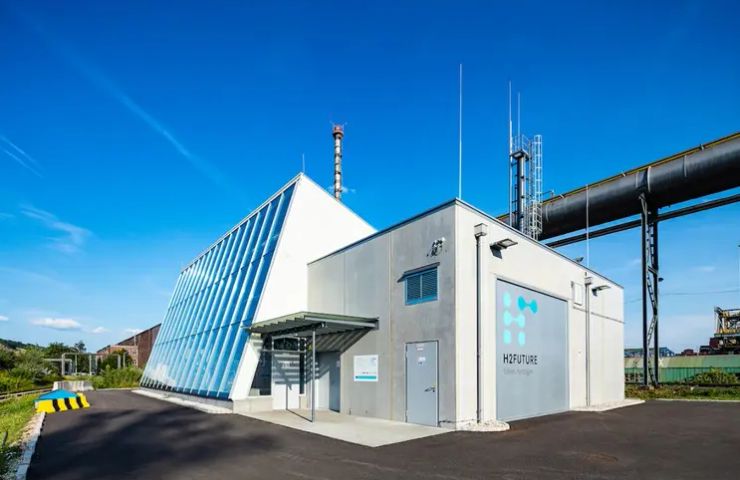
In the latest green hydrogen news, Paraguay’s Chamber of Deputies has expressed strong support by declaring the pilot unit at PTI-PY as a project of national interest. This endeavor, backed by Itaipú Binacional and positioned next to the massive Itaipú hydropower plant in Alto Paraná, has made impressive strides. It’s already completed a full cycle of production, storage, and supply. By using excess hydropower, the facility powers electrolyzers that split water into hydrogen and oxygen, and it sends the hydrogen straight to fuel cell electric vehicles on-site. This official backing integrates the pilot perfectly into the country’s broader vision for green hydrogen production.
This vision comes from the Ministry of Public Works and Communications, which spearheaded the National Strategy for the Green Hydrogen Economy with help from the Inter-American Development Bank. The strategy is quite robust, outlining six key pillars, over fifty action items, and a goal of achieving 1 GW of electrolyzer capacity by 2030, which translates to about 90,000 tonnes of hydrogen per year. By acknowledging the PTI-PY pilot, lawmakers highlight the importance of such projects as essential stepping stones to establishing a comprehensive hydrogen infrastructure, training the workforce, and building new industries focused on products like ammonia, methanol, and fertilizers.
How the Pilot Works
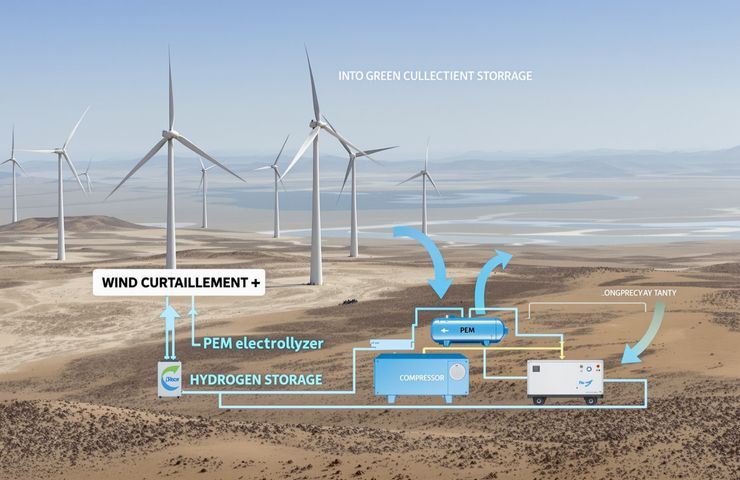
So, how does this whole setup operate? At the heart of the PTI-PY unit are electrolyzers powered by direct current from Itaipú's surplus turbines. You might be asking yourself, how do those machines convert H2O into hydrogen? Each electrolyzer has a cathode and an anode sitting in a conductive electrolyte. When low-carbon electricity runs through, the water molecules get split: hydrogen ions congregate at the cathode while oxygen bubbles up at the anode. This method, known as water electrolysis, is the foundation of green hydrogen production.
After the hydrogen is generated, it’s captured, purified, and stored. The unit's modular storage tanks allow engineers to monitor pressure and check for leaks, ensuring safety protocols are followed under local conditions. By tweaking compression levels and material choices, researchers are boosting efficiency throughout the entire process—from production to storage tanks. These insights will be key as Paraguay looks to scale up its operations to meet the demand for hydrogen, likely resulting in the need for larger storage networks and advanced hydrogen storage methods.
From Pilot to Market
One of the standout features of the PTI-PY project is its hands-on approach with fuel cell electric vehicles. By supplying vehicles directly on-site, it creates a seamless loop of production, fueling, and mobility. This zero-emission application hints at exciting possibilities—imagine fleets of trucks, buses, or even agricultural equipment running on clean hydrogen sourced from Paraguay’s renewable energy. For private sector players, this pilot can serve as a vital reference point when considering investments in infrastructure, refueling stations, and logistics.
But having institutional support is more than just a formality. By designating the pilot as a project of national interest, Paraguay opens doors to public funding, international collaboration, and attractive offtake agreements. This not only boosts investor confidence for larger projects, like electrolyzer arrays along the coast or ammonia synthesis plants near key shipping routes, but also positions Paraguay competitively on a regional scale, as countries like Chile, Uruguay, and Brazil also seek to attract green hydrogen investment. With this legislative backing, Paraguay is able to tell a compelling story of transitioning from traditional hydropower exports to a robust green hydrogen economy.
Historically, Paraguay’s economy has leaned on exporting raw hydropower, primarily to Brazil. Now, the focus is shifting toward value-added exports. Green hydrogen and its derivatives are hitting higher price points on the market and expanding the country’s industrial capabilities beyond just raw electricity sales. The government’s goal is to establish hydrogen hubs that will create new jobs in areas like engineering, manufacturing, and chemicals, while also benefiting local agriculture through the production of green fertilizers. This could mean less dependency on imported products and a reduced carbon footprint for farming practices.
Enabling a Skilled Workforce
A crucial yet often overlooked part of any energy transition is building human capital. The PTI-PY serves as a training ground for Paraguay’s first cohort of hydrogen specialists. Researchers, technicians, and engineers are getting hands-on experience with everything from electrolysis units to hydrogen integrations. Universities and technical schools are even updating their curriculums to include hydrogen technology, setting the stage for future innovations and entrepreneurial ventures within Paraguay's hydrogen ecosystem.
Environmentally speaking, this pilot showcases a pathway to lower carbon emissions for industrial activities. The hydropower-generated green hydrogen releases no greenhouse gases when produced, and when it’s used in fuel cells, it emits only water vapor as a byproduct. This aligns nicely with global climate goals and could sharply improve Paraguay’s emissions profile. Additionally, switching out fossil-based fertilizers for those made from green hydrogen could dramatically reduce emissions over their entire lifecycle, enhancing air quality and benefiting soil health in the region.
Looking ahead, Paraguay’s progress from pilot projects to commercial scale will depend on addressing several challenges: securing commitments from buyers, setting up large-scale electrolyzer systems, establishing a hydrogen pipeline network, and refining regulations for transportation and storage. Regional collaboration—such as linking hydrogen corridors through Mercosur—could amplify these efforts. Meanwhile, advancements in technology continue, with next-gen electrolyzers poised to deliver better efficiencies, lower costs, and easier integration with renewable sources. In this fast-changing landscape, pilots like PTI-PY will play a crucial role in encouraging investment and reducing risks.
As Paraguay makes the transition from bulk electricity sales to producing green hydrogen and establishing a more varied energy economy, this parliamentary resolution stands as an important landmark. It signals that transforming hydropower into hydrogen is no small-scale initiative but rather a national priority. For those keeping an eye on the industry, this move indicates that South America’s renewable energy leader is gearing up for an exciting new chapter: producing, storing, and distributing green hydrogen to steer the region toward its decarbonization and industrial goals.