Plug Power to Supply 280 MW Electrolyzers for Arcadia eFuels’ Danish Power-to-Liquid Facility
Plug Power agreed to supply 280 MW of GenEco PEM electrolyzers for Arcadia eFuels’ planned Project ENDOR in Denmark, intended to generate 110 tonnes of hydrogen daily for synthetic aviation fuel, pending final approvals.
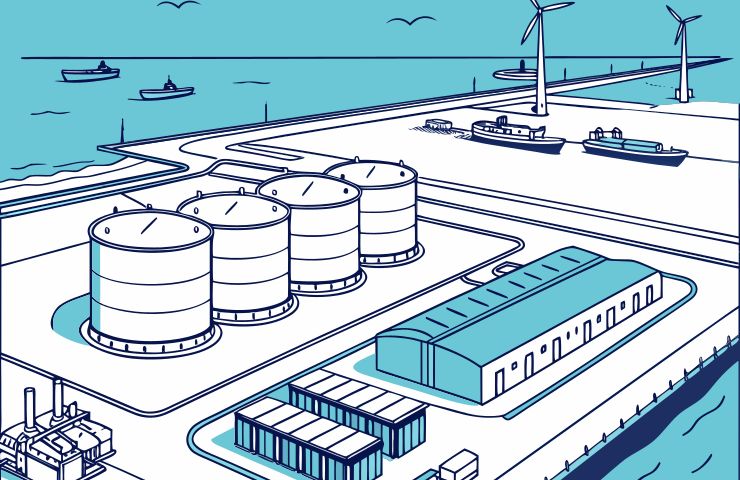
Plug Power has agreed to supply 280 MW of its GenEco proton-exchange-membrane electrolyzers to Arcadia eFuels for the planned Project ENDOR at the Port of Vordingborg in Denmark, according to Plug Power’s latest investor-relations release. The modular electrolyzers are intended to convert renewable electricity into around 110 tonnes of renewable hydrogen per day, which Arcadia plans to blend with captured carbon dioxide and process into a drop-in sustainable aviation fuel, or e-SAF. The announcement also designates Plug Power as the preferred electrolyzer supplier for four additional Arcadia projects, representing more than 1 GW of potential green hydrogen infrastructure, though each project awaits its own final investment decision.
Supply Agreement Details
Under the conditional supply agreement, Plug Power will begin equipment deliveries only after Arcadia issues a formal notice to proceed, the manufacturer notes. Installations of the 280 MW of GenEco capacity are planned for Masnedø, the southern part of the Port of Vordingborg, where Arcadia holds an environmental permit covering water treatment, electrolysis, Fischer–Tropsch synthesis, refining and storage. Arcadia’s plans envision approximately 110 tonnes per day of hydrogen when powered exclusively by qualifying renewable electricity; actual output will depend on grid-connection timing and electricity sourcing.
By naming Plug Power as preferred supplier for additional projects across Europe and the Americas, Arcadia signals its intent to replicate the ENDOR design. Each proposed site, however, will require separate financing and regulatory approvals. Project timelines therefore remain conditional. Financing, permits and supply arrangements must align before equipment is shipped or construction begins.
Why e-SAF Matters
Project ENDOR’s e-SAF route addresses a clear decarbonisation gap in aviation where battery energy density limits long-haul operations and direct hydrogen combustion faces infrastructure hurdles. Under the EU’s ReFuelEU Aviation framework, airlines must blend increasing shares of sustainable fuels and meet a dedicated synthetic-fuel sub-quota by 2030, according to official policy documents. Arcadia aims to produce a kerosene-compatible fuel via power-to-liquid, tapping a policy-backed market for green hydrogen production and carbon capture.
That route avoids designing new aircraft or building a hydrogen refuelling network. Airlines could use existing infrastructure, Arcadia says. For carriers and airports that want to cut lifecycle emissions without reconfiguring fleets, e-SAF produced at scale offers a familiar pathway.
Behind the Technology
At the heart of ENDOR is Plug Power’s GenEco PEM electrolyzer technology. Plug Power explains these units channel purified water through proton-conducting membranes to split H₂ and O₂. Hitachi Energy is responsible for electrical infrastructure planning, including grid connection and a battery energy storage system to buffer fluctuations in power demand, Arcadia reports. Before electrolysis, water must be treated to very high purity via Veolia’s filtration systems to protect delicate cell components and maintain efficiency; residual brine streams will require disposal management under Danish environmental rules.
After hydrogen and captured CO₂ enter the Fischer–Tropsch reactor, a catalyst drives conversion into hydrocarbon chains that are then separated, hydrocracked and refined into jet-fuel fractions. The process integration presents first-of-a-kind commissioning challenges: synchronising large PEM modules, balancing high-pressure gas streams and validating catalyst life and selectivity. Plug Power and Technip Energies, which led the front-end engineering design, caution that supply-chain lead times, commissioning schedules and performance ramp-up will be key to meeting Arcadia’s design targets.
Local Port Synergies
The Port of Vordingborg already handles more than 600 ship calls annually and processes over 1 million tonnes of cargo, according to port materials. Masnedø’s site gives direct maritime access for incoming carbon dioxide shipments and for outbound e-SAF deliveries, while existing power lines can support a multi-hundred-megawatt load. Proximity to Zealand’s industrial clusters may ease logistics for construction, from heavy lifts to electrical installation crews. Without final investment approval and grid-connection permits, however, port preparations remain exploratory rather than contractual commitments.
Regulatory Backdrop and Funding
ENDOR secured an environmental permit from Danish authorities covering the full power-to-liquid chain and signed a grant agreement with the European Commission’s Innovation Fund for up to €54 million, the fund’s project factsheet indicates. That factsheet models an annual output of 80 000 tonnes of e-SAF with a 98 percent lifecycle-emissions reduction versus fossil jet fuel; those figures are design estimates rather than verified performance. The Innovation Fund factsheet also foresees up to 70 direct jobs and 100–200 indirect jobs, while noting that actual headcount will depend on final plant configuration and operational practices.
Business and Financing Hurdles
Arcadia completed front-end engineering design in collaboration with Technip Energies, Plug Power and others, the developer reports. It adds that a final investment decision is anticipated in 2027 and remains subject to financing, power-purchase agreements, CO₂ supply contracts and construction risk. Plug Power’s public release underscores manufacturing, delivery, liquidity, regulatory and execution risks. Lenders will expect technology performance guarantees before committing debt, and securing long-term offtake contracts for e-SAF at a sustainable price will be critical.
In practice this means multiple commercial threads must be tied together. Developers must line up renewable electricity, confirm CO₂ availability, close PPA terms and satisfy banks on schedule and technical risk. Only then can procurement move from preferred-supplier status to binding purchase orders and factory delivery slots.
The Road Ahead
Project ENDOR sits at the intersection of hydrogen infrastructure, carbon utilisation and sustainable fuels policy. The Plug Power agreement sends a clear commercial signal that parts of the supply chain are being mobilised, yet delivering green hydrogen production at scale will require alignment across many areas: financing, grid access, renewable electricity sourcing, CO₂ capture, engineering validation and aviation certification. As Arcadia moves toward financial close and detailed design, the industry will be watching to see whether ENDOR paves the way for other power-to-liquid e-SAF facilities or remains an ambitious pilot stalled by final investment hurdles.
About the Company
Plug Power Inc. is a U.S.-based provider of hydrogen systems, PEM electrolyzers, fuel-cell solutions and fueling infrastructure, according to the company. Arcadia eFuels develops power-to-liquid plants to produce synthetic aviation fuels from renewable electricity and captured carbon dioxide, the developer says.