Green Hydrogen Production Powers Beijing's Fuel Cell Bus Fleet Expansion
CHN Energy Guohua launches green hydrogen supply from Hebei to fuel Beijing’s hydrogen buses, strengthening Sinopec collaboration and advancing China's decarbonization goals.
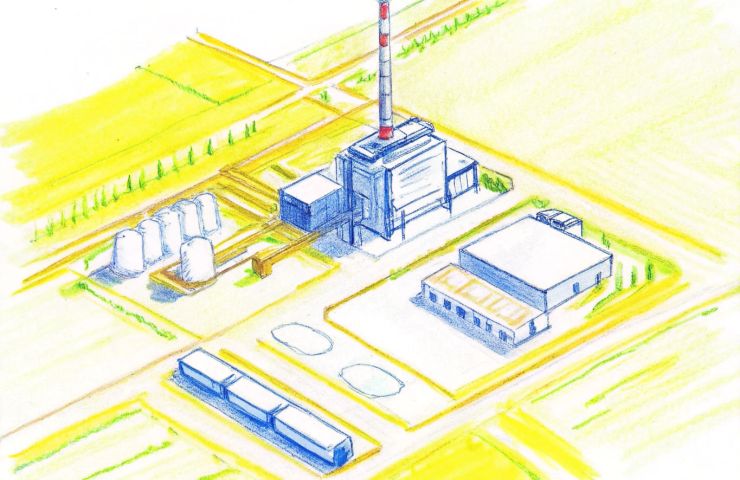
Beijing—a sprawling, bustling city of over 21 million—is putting the pedal to the metal on zero-emission transport plans. Starting May 27, 2025, CHN Energy Guohua Energy Investment Co Ltd, a major player in the renewables game and part of China Energy Investment Corporation, officially began supplying green hydrogen from nearby Hebei Province to fuel the city’s growing fleet of hydrogen-powered buses. This new roll-out taps into Sinopec’s already up-and-running hydrogen refueling network and marks a major moment for Beijing’s clean energy goals.
From Clean Energy to Daily Commutes
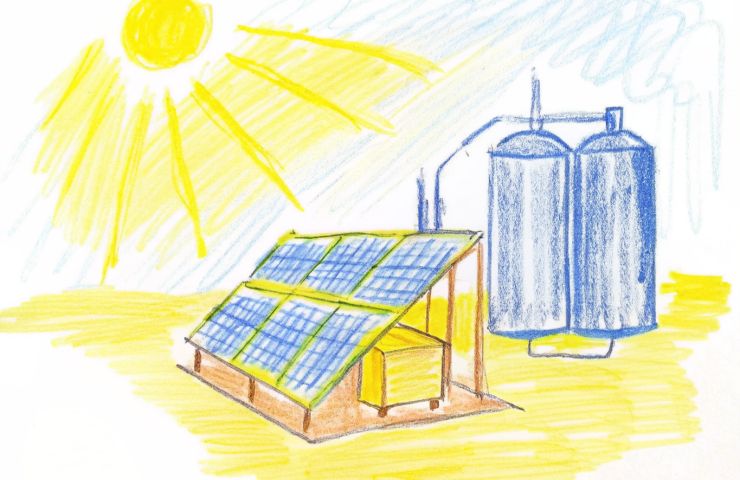
The hydrogen hitting the streets in Beijing comes from CHN Energy Guohua’s renewable-powered alkaline water electrolysis system—which basically uses green electricity to split water and produce clean hydrogen gas. That hydrogen, in turn, is powering the city’s fuel cell buses every day. And we're not talking about a handful of test vehicles—Beijing already has over 1,200 hydrogen buses in circulation, many of which first hit the road during the 2022 Winter Olympics. This isn’t a pilot program anymore; it's the new normal.
Powered by this growing partnership between CHN Energy Guohua and Sinopec, the move is a big win for the capital’s Clean Air Action Plan 2025, which targets reductions in harmful PM2.5 emissions. It also plays into China’s larger mission: peak carbon emissions before 2030 and full carbon neutrality by 2060. Piece by piece, that ambitious puzzle is starting to come together.
Connecting Cities Through Hydrogen
This rollout isn’t just about what’s happening inside Beijing’s city limits—it’s also part of a bigger vision of regional cooperation. Hebei Province, which surrounds Beijing and serves as an industrial powerhouse, is already packed with renewable energy infrastructure. It’s also home to the country’s first commercial-scale green hydrogen production facility, which launched in 2023.
By linking Hebei’s production capacity to Beijing’s transit system, officials are showing off a blueprint that could easily be replicated in cities across China. It’s a practical step toward building out a nationwide hydrogen infrastructure—including a hydrogen pipeline network set for completion by 2030. What we’re seeing now is the early framework of a cleaner, interlinked urban and industrial landscape.
Sinopec: From Oil Giant to Hydrogen Heavyweight
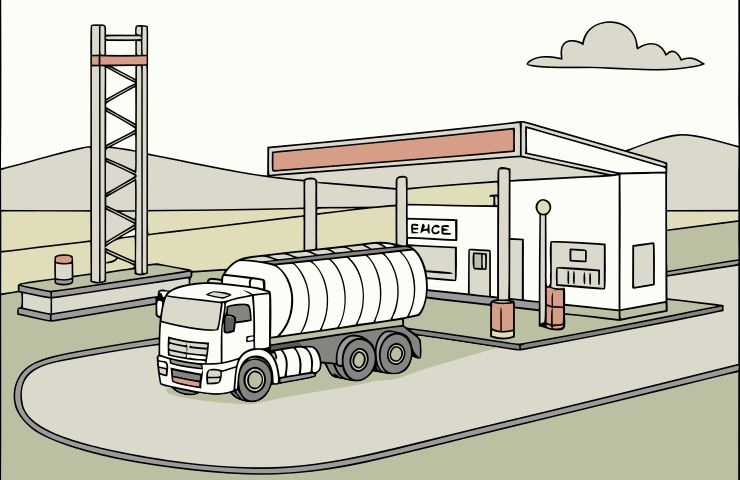
Sinopec, no stranger to fueling China's mobility, is shifting gears in a big way. Already the country's top name in the refining biz with a sprawling network of over 30,000 gas stations, the company is now laser-focused on growing its hydrogen footprint. As of 2024, Sinopec has rolled out more than 100 hydrogen fueling stations, many located right where they’re needed most—in and around China’s biggest cities and transportation hubs.
By joining forces with CHN Energy Guohua, Sinopec isn’t just expanding its market cap, it’s becoming a key player in China’s energy transition. It’s proof that smart, strategic alliances between clean energy producers and old-school fuel distributors are exactly what’s needed to get hydrogen vehicles on the road at scale.
Decarbonizing Industry, One Project at a Time
This latest project fits neatly into the bigger game plan laid out in China’s Hydrogen Roadmap, first published in 2021. That roadmap set clear goals: 50,000 fuel cell vehicles by 2025, and a phase-out of diesel in public transport. With fuel cell buses replacing combustion engines in China’s capital, green hydrogen isn’t just a futuristic concept—it’s here, now, and proving its worth.
On top of that, there’s a major economic incentive driving all this forward. The Ministry of Commerce is eyeing hydrogen exports as a big moneymaker, hoping to pull in as much as $15 billion a year from overseas markets by 2030. Thanks to homegrown engineering from companies like PERIC, who manufacture advanced electrolyzers, China’s not just adopting the tech—it’s aiming to become a global leader in hydrogen and clean ammonia exports.
All Signs Point to a Hydrogen-Powered Future
While some numbers—like the reported 14.08 tons of CO2 savings per day—haven’t yet been independently verified, it’s clear this initiative is a step (or more like a leap) in the right direction. As for the actual number of hydrogen-powered buses on the road, it’s wise to check with local transit authorities for the latest figures. But statistics aside, the momentum is undeniable.
This isn’t just an experiment, it’s a movement—and one that’s likely to spark interest from cities around the world looking to decarbonize their own transit systems. Using hydrogen fuel cells powered by renewable electrolysis for public transport? It’s a concept coming to life in real time.
About CHN Energy Guohua Energy Investment
CHN Energy Guohua Energy Investment Co Ltd is part of China Energy Investment Corporation, formed after a blockbuster merger in 2017. With a focus on renewables and rapidly scaling hydrogen solutions, the company’s tie-ups with key partners like Sinopec and the Beijing city government make it a central figure in China’s fast-moving hydrogen revolution.